Daniele Zanettovich (26 gennaio 1950): Concerto per flauto e archi detto Il Casanova (2004). Enzo Caroli, flauto; Orchestra Sinfonica Adriatica, dir. Paolo Pessina.
Allegro
Adagietto alla gondoliera – Un poco più mosso, ma molto liberamente (Il canto dell’usignolo) – Tempo I [5:47]
Paul Hofhaimer (25 gennaio 1459 - 1537): Herzliebstes Bild, Lied a 3-4 voci (pubblicato per la prima volta nel Liederbuch zu vier Stimmen di Erhard Öglin, 1512, n. 37), qui interpretato a voce sola con accompagnamento di liuto. Bill Ives, tenore; Anthony Rooley, liuto.
Herzliebstes bild,
beweisst dich milt,
mit deiner lieb
und gunstgen mir
des gleych will ich
wann ich han dich,
nach lust und wunsch
meinss hertzen gir,
erwelt für all
in diesem tall,
mit reichem schal,
frey ich mich dein in eren.
Earl Wild (1915 - 23 gennaio 2010): Concert paraphrase on Mexican Hat Dance per pianoforte. Esegue l’autore (composizione e registrazione del 2003: Wild aveva 88 anni).
José Gomes de Abreu, meglio noto come Zequinha de Abreu (1880 - 22 gennaio 1935): Tico tico no fubá (ossia «Il passero nella farina di mais»), chôro (1917), versione per orchestra. Göteborgs Symfoniker, dir. Gustavo Dudamel.
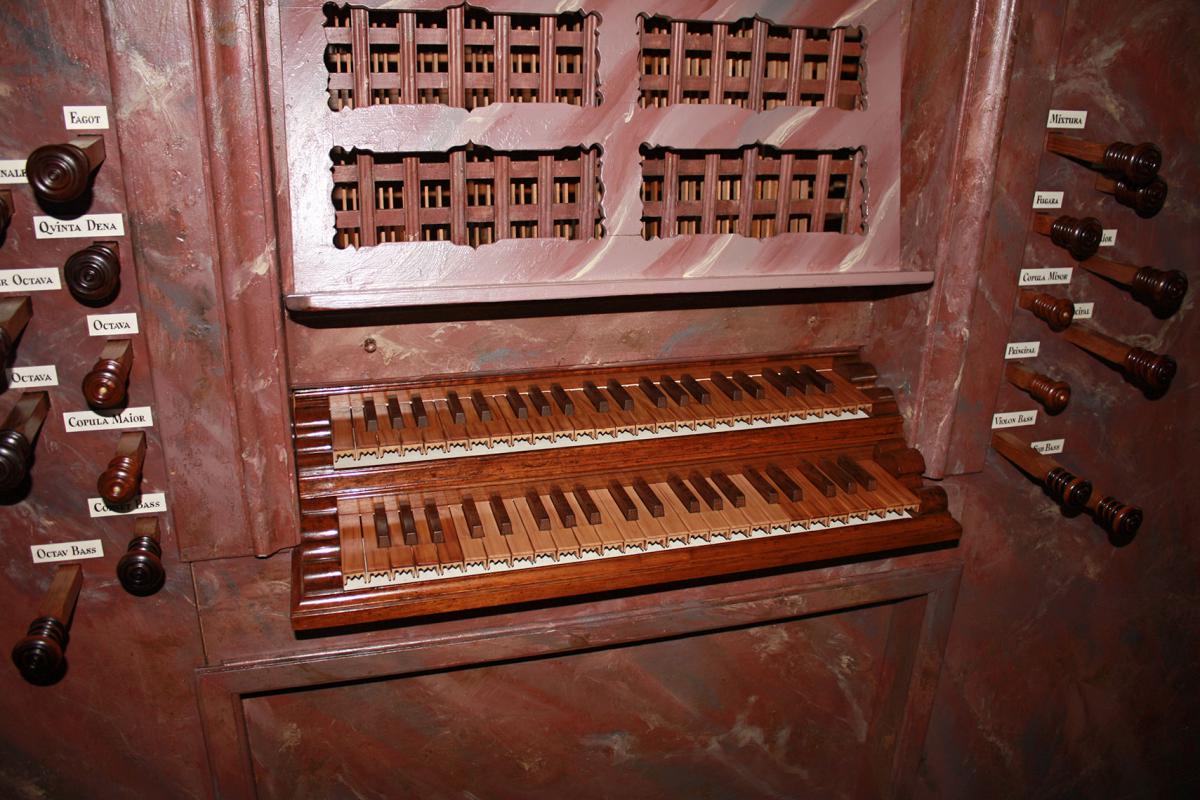
Jiří Ignác Linek (21 gennaio 1725 - 1791): Preludio in re maggiore e Fuga in sol maggiore [1:44] per organo. Ondřej Valenta all’organo costruito nel 1760 da Jan Výmola nella Chiesa della Santa Croce in Doubravník (Moravia).
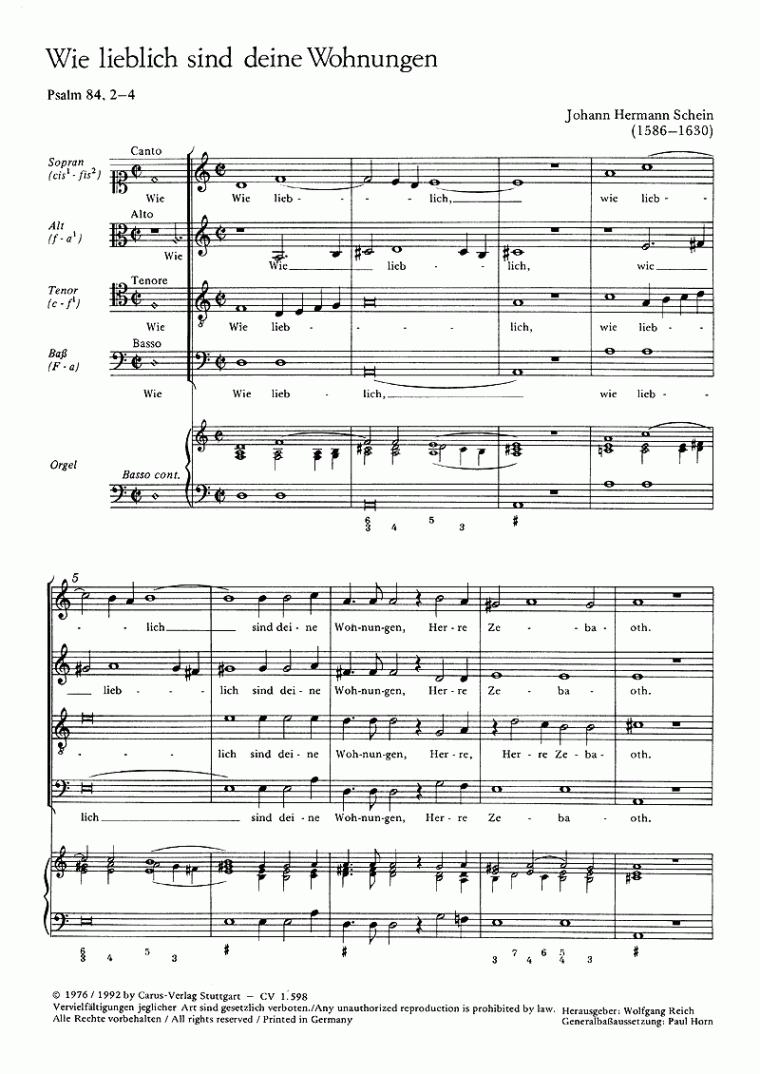
Johann Hermann Schein (20 gennaio 1586 - 1630): Wie lieblich sind deine Wohnungen, mottetto a 4 voci e continuo; testo: Salmo 84, versetti 2-4. Wiener Kammerchor, dir. Johannes Prinz.
Wie lieblich sind deine Wohnungen, Herr Zebaoth!
Meine Seele verlangt und sehnt sich nach den Vorhöfen des Herrn; mein Leib und Seele freuen sich in dem lebendigen Gott.
Denn der Vogel hat ein Haus gefunden und die Schwalbe ihr Nest, da sie Junge hecken: deine Altäre, Herr Zebaoth, mein König und Gott.
P.D.Q. Bach (Peter Schickele, 1935 - 16 gennaio 2024): Concerto for Simply Grand Piano and Orchestra. Jeffrey Biegel, pianoforte; Philharmonia Northwest, dir. Julia Tai.
Peter Schickele (1935 - 16 gennaio 2024): Last Tango in Bayreuth per 4 fagotti (1974). Tennessee Bassoon Quartet.
Amene divagazioni sul Tristanakkord 🙂
Henry Purcell (1659 - 1695): Once, twice, thrice I Julia try’d, catch a 3 voci Z 265 (pubblicato postumo in The Second Book of the Catch Club or Merry Companions, c1700). Deller Consort, dir. Alfred Deller.
Once, twice, thrice I Julia try’d:
the scornfull puss as oft deny’d;
and since I can no better thrive
I’ll cringe to ne’er a bitch alive.
So kiss my arse, disdainfull sow!
Good claret is my mistress, now.
Tōru Takemitsu (1930 - 1996): Twill by Twilight (In memory of Morton Feldman) per orchestra (1988). Tōkyō Metropolitan Symphony Orchestra, dir. Ryusuke Numajiri.
« In Twill by Twilight, the twill weave of the music takes effect by means of an extremely limited musical unit or what we might better call the musical principle which exists prior to the forming of the melody or the taking shape of the rhythm. Subtle variations in pastel colors express the moment just after sunset when twilight turns toward darkness. The work was commissioned by the Yomiuri Nippon Symphony Orchestra on the occasion of its 25th anniversary. It was composed as a fond reminiscence of a man who was both my friend and a unique composer, Morton Feldman, who died in 1987 » (Tōru Takemitsu).
Julius Bittner (1874 - 9 gennaio 1939): 3 brani sinfonici dall’opera Der Bergsee (1911, rev. 1938). Wiener Rundfunkorchester, dir. Felix Prohaska (registrazione del 1953).
Leo Ornstein (Juda-Lejv Gornštejn; 1893 - 2002): Wild Men’s Dance (Danse Sauvage) per pianoforte op. 13 n. 2 (1913). Marc-André Hamelin.
Per cluster (letteralmente: grappolo) in musica si intende un gruppo di almeno tre suoni adiacenti simultanei. Ornstein fu tra i primi a farne largo impiego nelle sue composizioni pianistiche.
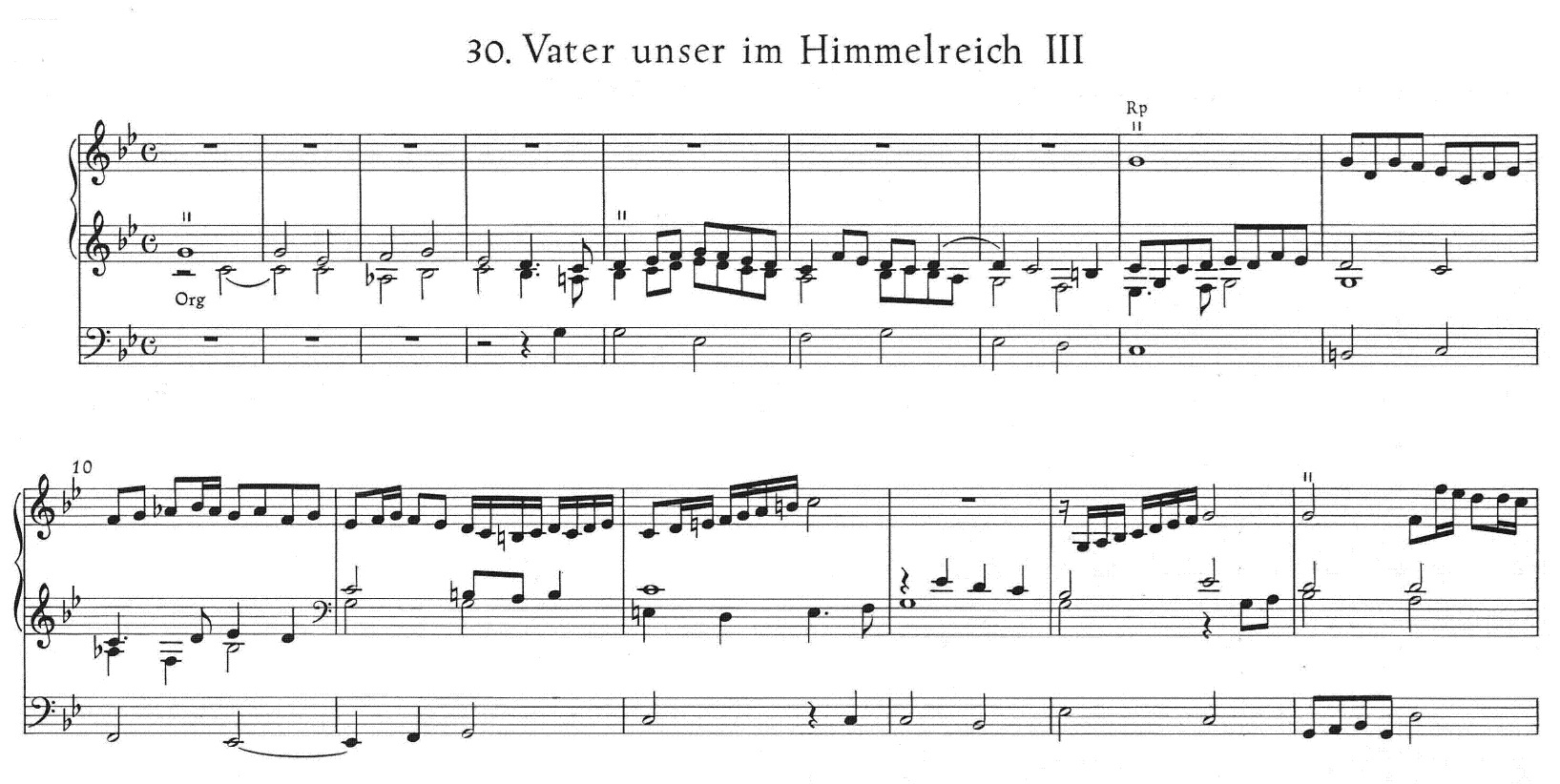
Heinrich Scheidemann (c1596 - 1663): Vater unser im Himmelreich, preludio-corale, 3ª versione. Massimo Gabba all’organo Tamburini di Sant’Antonio in Casale Monferrato.
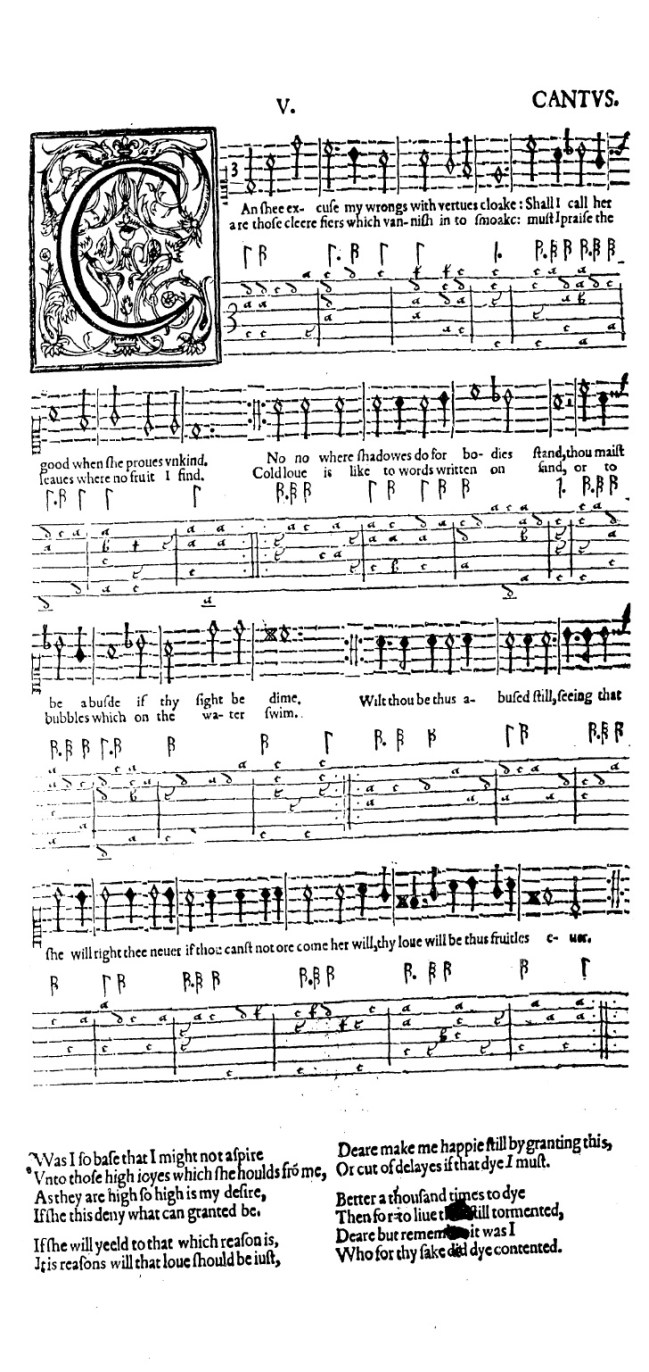
John Dowland (1563 - 1626): Can she excuse my wrongs, ayre, dal First Booke of Songes or Ayres (1597). Emma Kirkby, soprano; Anthony Rooley, liuto.
Can she excuse my wrongs with Virtue’s cloak?
Shall I call her good when she proves unkind?
Are those clear fires which vanish into smoke?
Must I praise the leaves where no fruit I find?
No, no; where shadows do for bodies stand,
That may’st be abus’d if thy sight be dim.
Cold love is like to words written on sand,
Or to bubbles which on the water swim.
Wilt thou be thus abused still,
Seeing that she will right thee never?
If thou canst not o’ercome her will,
Thy love will be thus fruitless ever.
Was I so base, that I might not aspire
Unto those high joys which she holds from me?
As they are high, so high is my desire,
If she this deny, what can granted be?
If she will yield to that which reason is,
It is reason’s will that love should be just.
Dear, make me happy still by granting this,
Or cut off delays if that I die must.
Better a thousand times to die
Than for to live thus still tormented:
Dear, but remember it was I
Who for thy sake did die contented.
Il testo – adattato a un tema di gagliarda: in qualche fonte, la versione strumentale del brano (qui) reca il titolo The Earl of Essex [ his ] Galliard – fa forse riferimento alle vicende di Robert Devereux, 2° conte di Essex (1566-1601), che potrebbe essere l’autore dei versi. È probabile che sia da collegarsi a Robert Devereux la citazione della melodia tradizionale The woods so wild, da Dowland inserita nel terzo periodo, affidata a una voce intermedia (tenore; testo: Wilt thou be thus abused still ecc.): farebbe riferimento al fatto che il conte di Essex soleva ritirarsi in una casa di sua proprietà, sita nei boschi a nord-est di Londra. The woods so wild è un ballad assai diffuso in epoca Tudor: pare che fosse particolarmente caro a Enrico VIII. Variazioni sulla melodia si devono a William Byrd (riportate dal Fitzwilliam Virginal Book e dal My Lady Nevell’s Book) e a Orlando Gibbons.
William Byrd (c1540 - 1623): The Woods so Wilde, variazioni. Michael Maxwell Steer, clavicembalo.
Orlando Gibbons (1583 - 1625): The Woods so Wild, variazioni. Michael Maxwell Steer, clavicembalo.
Un’altra interpretazione del brano di Dowland, ove la parte che comprende la citazione della melodia tradizionale è eseguita con un flauto dolce. Karin Gyllenhammar, soprano; Mirjam-Luise Münzel, flauto; David Leeuwarden, liuto; Alina Rotaru, clavicembalo.
Péter Eötvös (2 gennaio 1944 - 2024): Multiversum per organo, organo hammond e orchestra (2017), in memoriam Pierre Boulez († 5 gennaio 2016). Iveta Apkalna, organo; László Fassang, organo hammond; Koninklijk Concertgebouworkest diretto dall’autore (1a esecuzione, Amburgo, 10 ottobre 2017).
«Since Yuri Gagarin’s journey into space in 1961, technological advancements have caused us to marvel at the miracle of the cosmos. Research like Witten’s theory of the eleven dimensions and string theory has astounded us with its speculation on the nature of outer space, and has spurred me on in my compositional fantasy. My work consists of three movements: Expansion, Multiversum and Time and Space. It surrounds the audience with sound from all sides. The concert organ is played at the front of the hall and, although also played onstage, the rotating tone of the Hammond organ will sound from the back. The orchestral seating will reinforce the spatial impression of a tonal universe with the strings on the left, the woodwinds on the right and brass and percussion dispersed across the entire width of the stage» (Peter Eötvös).
Anonimo (sec. XVI): Quand je bois du vin clairet, antico tourdion interpretato dall’ensemble tedesco Short Tailed Snails.
Il tourdion o tordion è una danza di coppia, rapida, moderatamente saltata, e costituisce uno degli elementi della bassadanza; affine sotto il profilo musicale alla gagliarda, fu in voga in Francia nel secolo XVI. Una descrizione del modo di danzare il tourdion si trova nel trattato Orchésographie (1589) di Thoinot Arbeau (pseudonimo di Jehan Tabourot):
« L’air du tourdion et l’air d’une gaillarde sont de mesmes, et n’y a différence sinon que le tourdion se danse bas et par terre d’une mesure légère et concise, et la gaillarde se danse haut d’une mesure plus lente et pesante. Tandis que vous faites bien de demander l’air d’un tourdion, car quand les airs sont connus par le danseur, et qu’il les chante en son cœur avec le joueur d’instrument, il ne peut faillir à les bien danser. »
Lo stesso brano interpretato dalla Capella Reial de Catalunya e Hespèrion XXI diretti da Jordi Savall.
Cantus :
Quand je bois du vin clairet,
Amis, tout tourne,
Aussi désormais je bois
Anjou ou Arbois.
Chantons et buvons,
à ce flacon faisons la guerre,
chantons et buvons,
mes amis, buvons donc.
Altus :
Le bon vin nous a rendus gais, chantons,
oublions nos peines, chantons.
En mangeant d’un gras jambon,
à ce flacon faisons la guerre.
Tenor :
Buvons bien, là buvons donc
à ce flacon faisons la guerre.
En mangeant d’un gras jambon
à ce flacon faisons la guerre.
Bassus :
Buvons bien, mes amis, trinquons,
buvons, vidons nos verres.
En mangeant d’un gras jambon
à ce flacon faisons la guerre.
Dmitrij Kabalevskij (30 dicembre 1904 - 1987): Suite dall’opera in 3 atti Colas Breugnon op. 24 (1938), composta su libretto tratto dall’omonimo romanzo di Romain Rolland. Orchestra filarmonica armena, dir. Loris Čknavorjan.

 Daniele Zanettovich (26 gennaio 1950): Concerto per flauto e archi detto Il Casanova (2004). Enzo Caroli, flauto; Orchestra Sinfonica Adriatica, dir. Paolo Pessina.


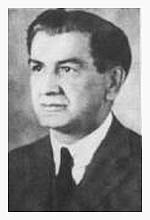 José Gomes de Abreu, meglio noto come Zequinha de Abreu (1880 - 22 gennaio 1935): Tico tico no fubá (ossia «Il passero nella farina di mais»), chôro (1917), versione per orchestra. Göteborgs Symfoniker, dir. Gustavo Dudamel.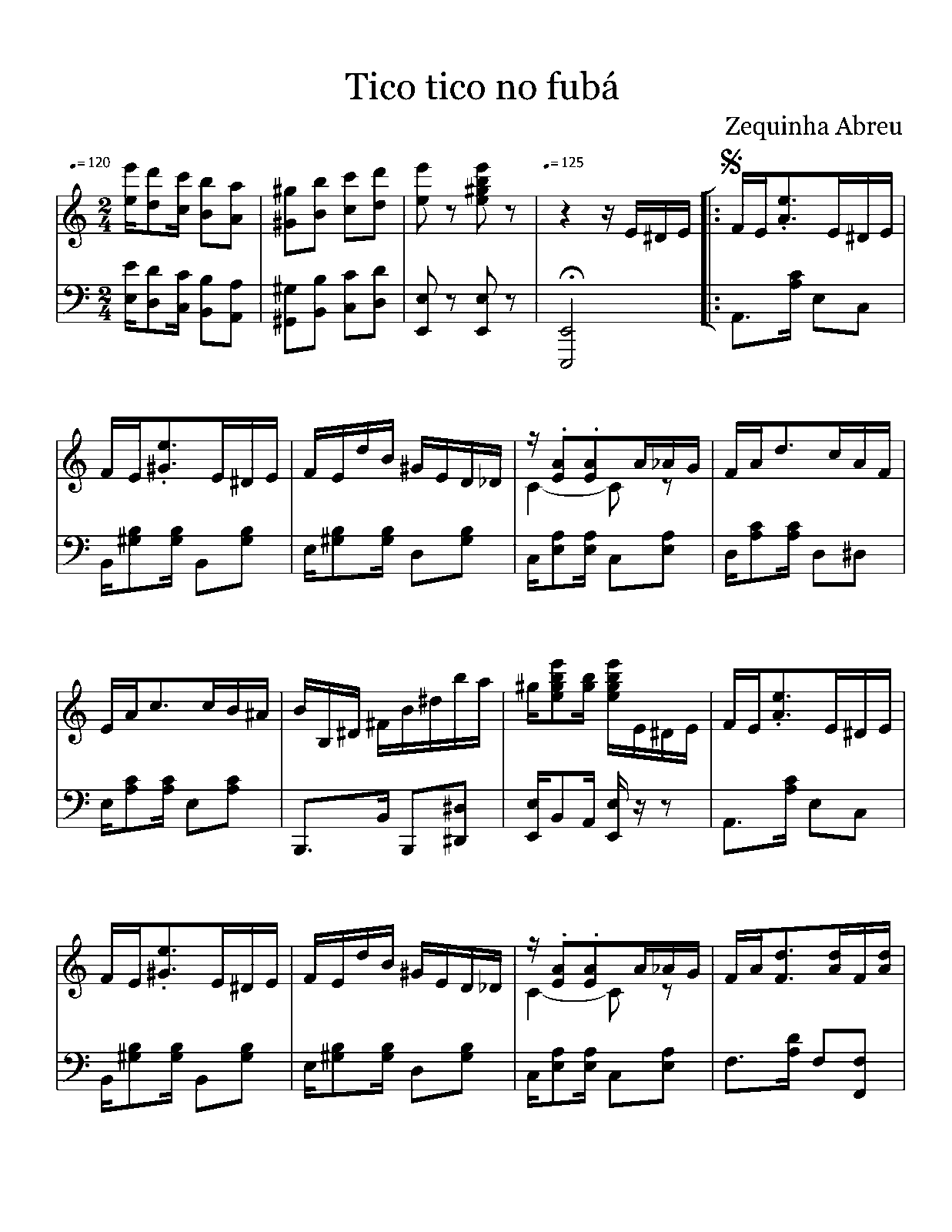
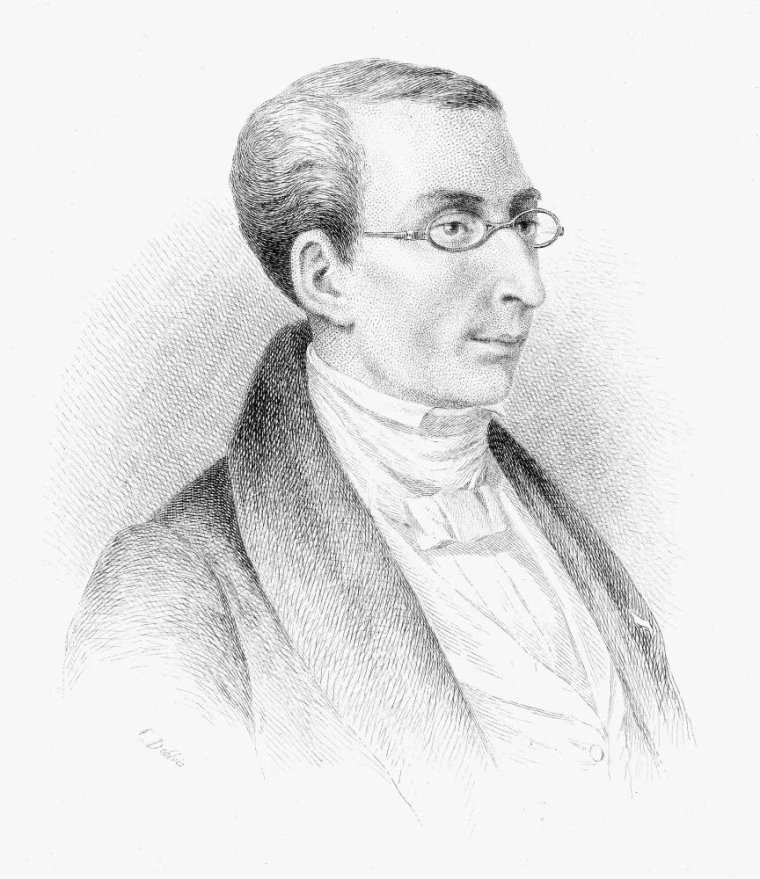

 Giovanni Battista Sammartini (1700 o 1701 - 17 gennaio 1775): Sinfonia in sol maggiore J-C 39. Cappella Accademica, dir. Norihiko Yoshikawa.


 Vasilij Sergeevič Kalinnikov (13 gennaio 1866 - 1901): Sinfonia n. 2 in la maggiore (1897). Scottish National Orchestra, dir. Neeme Järvi.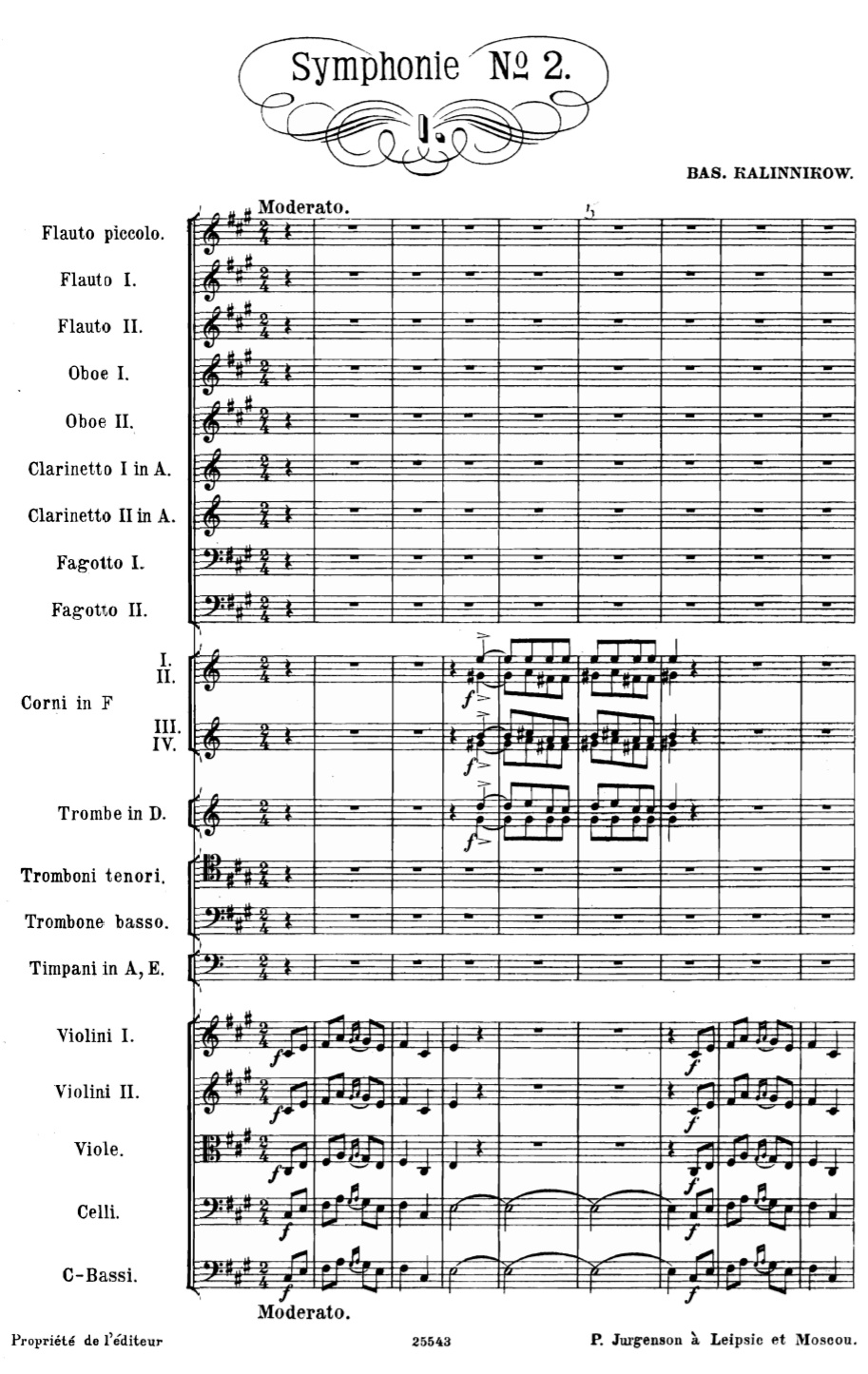






 la regina gioiosa