
Charles Tournemire (22 gennaio 1870 - 1939): Toccata per organo op. 19 n. 3 (1901). Vincent Boucher.
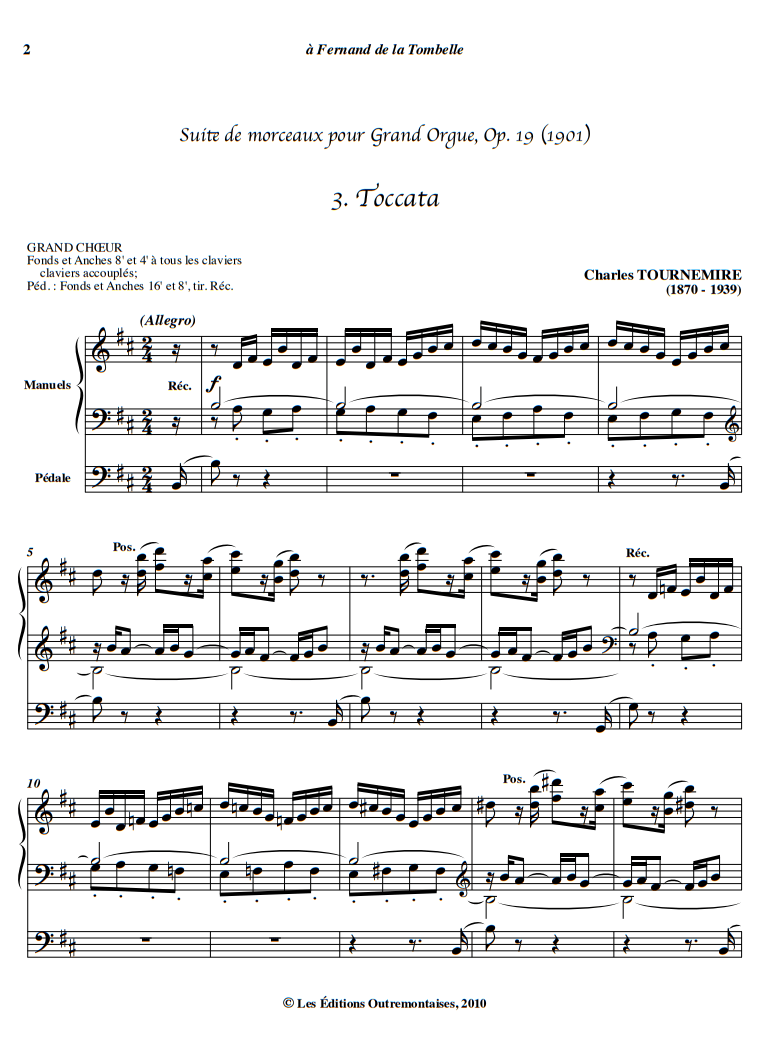
Charles Tournemire (22 gennaio 1870 - 1939): Toccata per organo op. 19 n. 3 (1901). Vincent Boucher.
Charles Tournemire (22 gennaio 1870 - 1939): Sinfonia n. 2 in si maggiore, Ouessant (1908–09). Orchestra sinfonica di Mosca, dir. Antonio de Almeida.

Ernest Chausson (21 gennaio 1855 - 1899): Poème de l’amour et de la mer per voce e orchestra op. 19 (1882-92) su testo di Maurice Bouchor. Montserrat Caballé, soprano; Symphonica of London, dir. Wyn Morris.
I. La Fleur des eaux
L’air est plein d’une odeur exquise de lilas
Qui, fleurissant du haut des murs jusques en bas,
Embaument les cheveux des femmes.
La mer au grand soleil va toute s’embraser,
Et sur le sable fin qu’elles viennent baiser
Roulent d’éblouissantes lames.
Ô ciel qui de ses yeux dois porter la couleur,
Brise qui va chanter dans les lilas en fleur
Pour en sortir tout embaumée,
Ruisseaux, qui mouillerez sa robe, ô verts sentiers,
Vous qui tressaillerez sous ses chers petits pieds,
Faites-moi voir ma bien-aimée!
Et mon cœur s’est levé par ce matin d’été;
Car une belle enfant était sur le rivage,
Laissant errer sur moi des yeux pleins de clarté,
Et qui me souriait d’un air tendre et sauvage.
Toi que transfiguraient la Jeunesse et l’Amour,
Tu m’apparus alors comme l’âme des choses;
Mon cœur vola vers toi, tu le pris sans retour,
Et du ciel entr’ouvert pleuvaient sur nous des roses.
Quel son lamentable et sauvage
Va sonner l’heure de l’adieu!
La mer roule sur le rivage,
Moqueuse, et se souciant peu
Que ce soit l’heure de l’adieu.
Des oiseaux passent, l’aile ouverte,
Sur l’abîme presque joyeux;
Au grand soleil la mer est verte,
Et je saigne, silencieux,
En regardant briller les cieux.
Je saigne en regardant ma vie
Qui va s’éloigner sur les flots;
Mon âme unique m’est ravie
Et la sombre clameur des flots
Couvre le bruit de mes sanglots.
Qui sait si cette mer cruelle
La ramènera vers mon cœur?
Mes regards sont fixés sur elle;
La mer chante, et le vent moqueur
Raille l’angoisse de mon cœur.
Interlude [12:34]
II. La Mort de l’amour [15:41]
Bientôt l’île bleue et joyeuse
Parmi les rocs m’apparaîtra;
L’île sur l’eau silencieuse
Comme un nénuphar flottera.
À travers la mer d’améthyste
Doucement glisse le bateau,
Et je serai joyeux et triste
De tant me souvenir — bientôt!
Le vent roulait les feuilles mortes; mes pensées
Roulaient comme des feuilles mortes, dans la nuit.
Jamais si doucement au ciel noir n’avaient lui
Les mille roses d’or d’où tombent les rosées.
Une danse effrayante, et les feuilles froissées,
Et qui rendaient un son métallique, valsaient,
Semblaient gémir sous les étoiles, et disaient
L’inexprimable horreur des amours trépassés.
Les grands hêtres d’argent que la lune baisait
Étaient des spectres : moi, tout mon sang se glaçait
En voyant mon aimée étrangement sourire.
Comme des fronts de morts nos fronts avaient pâli,
Et, muet, me penchant vers elle, je pus lire
Ce mot fatal écrit dans ses grands yeux: l’oubli.
Le temps des lilas et le temps des roses
Ne reviendra plus à ce printemps-ci;
Le temps des lilas et le temps des roses
Est passé, le temps des œillets aussi.
Le vent a changé, les cieux sont moroses,
Et nous n’irons plus courir, et cueillir
Les lilas en fleur et les belles roses;
Le printemps est triste et ne peut fleurir.
Oh! joyeux et doux printemps de l’année,
Qui vins, l’an passé, nous ensoleiller,
Notre fleur d’amour est si bien fanée,
Las! que ton baiser ne peut l’éveiller!
Et toi, que fais-tu? pas de fleurs écloses,
Point de gai soleil ni d’ombrages frais;
Le temps des lilas et le temps des roses
Avec notre amour est mort à jamais.

 Ermanno Wolf-Ferrari (12 gennaio 1876 - 21 gennaio 1948): Divertimento in re maggiore per orchestra op. 20 (1937). Münchner Rundfunkorchester, dir. Ulf Schirmer.
Henri Duparc (21 gennaio 1848 - 1933): Chanson triste (1868) su testo di Jean Lahor alias Henri Cazalis. Jessye Norman, soprano; Dalton Baldwin, pianoforte.
Dans ton cœur dort un clair de lune
Un doux clair de lune d’été
Et pour fuir la vie importune
Je me noierai dans ta clarté.
J’oublierai les douleurs passées,
Mon amour, quand tu berceras
Mon triste coeur et mes pensées
Dans le calme aimant de tes bras.
Tu prendras ma tête malade,
Oh! quelquefois sur tes genoux,
Et lui diras une ballade
Qui semblera parler de nous,
Et dans tes yeux pleins de tristesse,
Dans tes yeux alors je boirai
Tant de baisers et de tendresses
Que peut-être je guérirai.

Feliks Michajlovič Blumenfel’d (1863 - 21 gennaio 1931): Étude de concert in fa diesis minore op. 24 (1897). Jouni Somero, pianoforte.
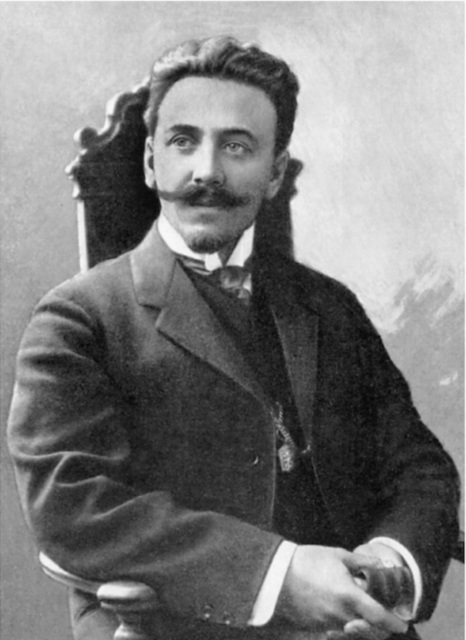
 Jacques Chailley (1910 - 21 gennaio 1999): Sinfonia n. 1 in sol minore (1945). Orchestre National de l’ORTF, dir. Jean Fournet.
Aleksandr Nikolaevič Čerepnin (21 gennaio 1899 - 1977): 8 Pezzi per pianoforte op. 88 (1954-55). Paula Ropuš.

Joseph-Hector Fiocco (20 gennaio 1703 - 1741): Suite in sol maggiore op. 1 n. 1 (c1730). Ewald Demeyere.

Johann Hermann Schein (20 gennaio 1586 - 1630): O, Herr Jesu Christe, mottetto a 5 voci e basso continuo (da Israelsbrünnlein – Fontana d’Israel, 1623, n. 23); testo attribuito al compositore. Ensemble Sagittarius, dir. Michel Laplénie.
O, Herr Jesu Christe, doch nicht vorübergeh, bleib mit deim Wort an diesem Ort.
Dein heilge Sakrament erhalt an diesem End, sonst sein wir wie die Schaf verirrt.
Ach weid’ uns selbst, du guter Hirt.

Alcuni temi musicali pubblicati con funzioni esplicative da Jean-Jacques Rousseau nel Dictionnaire de musique (1768) sono stati poi inseriti in composizioni più o meno celebri. Per esempio, una melodia di ranz des vaches fornì a Rossini lo spunto per alcune pagine, fra cui la famosa scena finale, del Guillaume Tell (1828).
Questo «air chinois», invece,

venne utilizzato da Carl Maria von Weber in una Overtura cinese scritta nel 1805 e poi confluita nelle musiche di scena composte per una rappresentazione della Turandot che Schiller aveva tratto dall’omonimo lavoro di Gozzi. Più recentemente Paul Hindemith impiegò lo stesso tema, desunto dall’Overtura cinese di Weber, nelle Metamorfosi sinfoniche.
Il medesimo «air chinois» ispirò inoltre una sere di variazioni sinfoniche al compositore britannico di origine belga Eugene Aynsley Goossens.
Carl Maria von Weber (1786 - 1826): Ouverture e Marcia [a 4:22] per Turandot op. 37, J. 75 (1809). City of Birmingham Symphony Orchestra, dir. Lawrence Foster.
Paul Hindemith (1895 - 1963): Scherzo (Turandot), da Symphonic Metamorphosis of Themes by Carl Maria von Weber (1943). Berliner Philharmoniker diretti dall’autore (1955).
Il titolo originale dell’opera è in inglese: Hindemith si era stabilito negli Stati Uniti nel 1940 e le Metamorfosi furono eseguite per la prima volta il 20 gennaio 1944 dalla New York Philharmonic-Symphony Orchestra diretta da Artur Rodziński.
(Penso che Hindemith sia un compositore sottovalutato; questo Scherzo è semplicemente geniale.)
Eugene Aynsley Goossens (1893 - 1962): Variations on a Chinese Theme per orchestra op. 1 (1911-12). Melbourne Symphony Orchestra, dir. Vernon Handley.
Ennio Porrino (20 gennaio 1910 - 1959): Preludio in modo religioso e Ostinato [6:16] per orchestra (1942). Orchestra «Alessandro Scarlatti» di Napoli, dir. Pietro Argento.
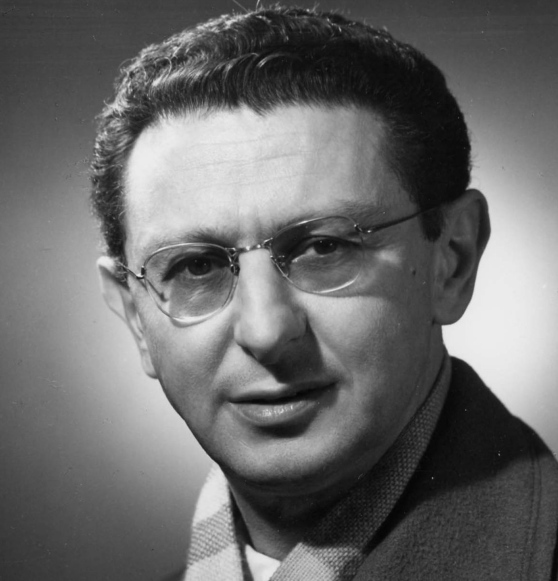
Gustav Mahler (1860 - 1911): Adagio, I movimento della Decima Sinfonia (1910), versione di Deryck Cooke. Berliner Philharmoniker, dir. Claudio Abbado (1933 - 20 gennaio 2014).

Václav Matějka (Wenzel Matiegka; 1773 - 19 gennaio 1830): Notturno in sol maggiore per flauto, viola e chitarra op. 21 (1807). Karl Kaiser, flauto; Peta Mullejans, viola; Sonja Brunnbauer, chitarra.

Ferdinand Hérold (1791 - 19 gennaio 1833): Concerto per pianoforte e orchestra n. 3 in la maggiore (1813). Jean-Frédéric Neuburger, pianoforte; Sinfonia Varsovia, dir. Hervé Niquet.
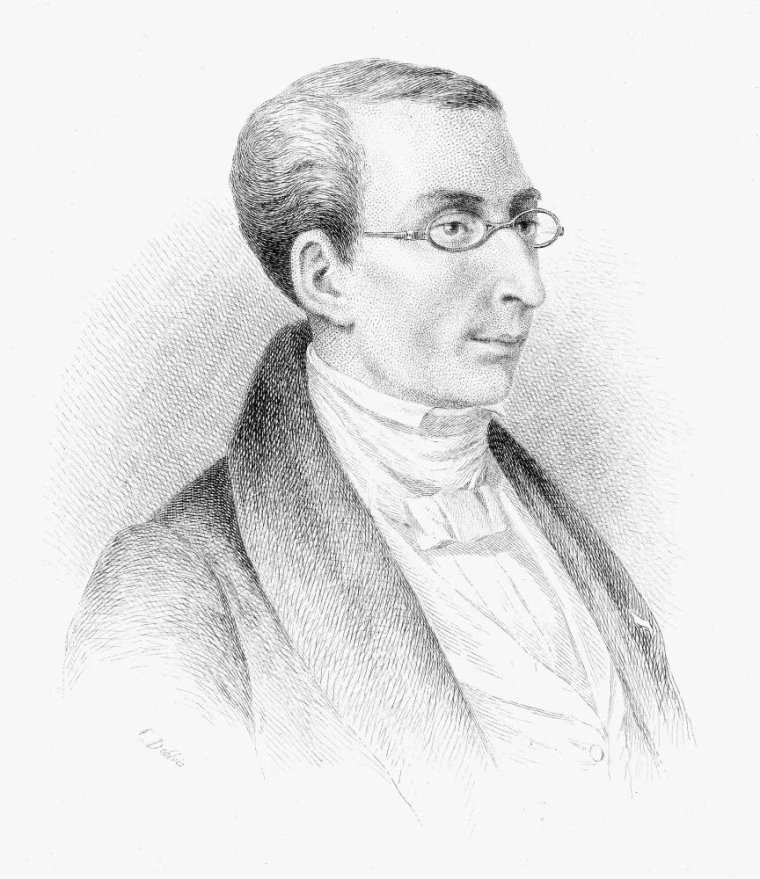
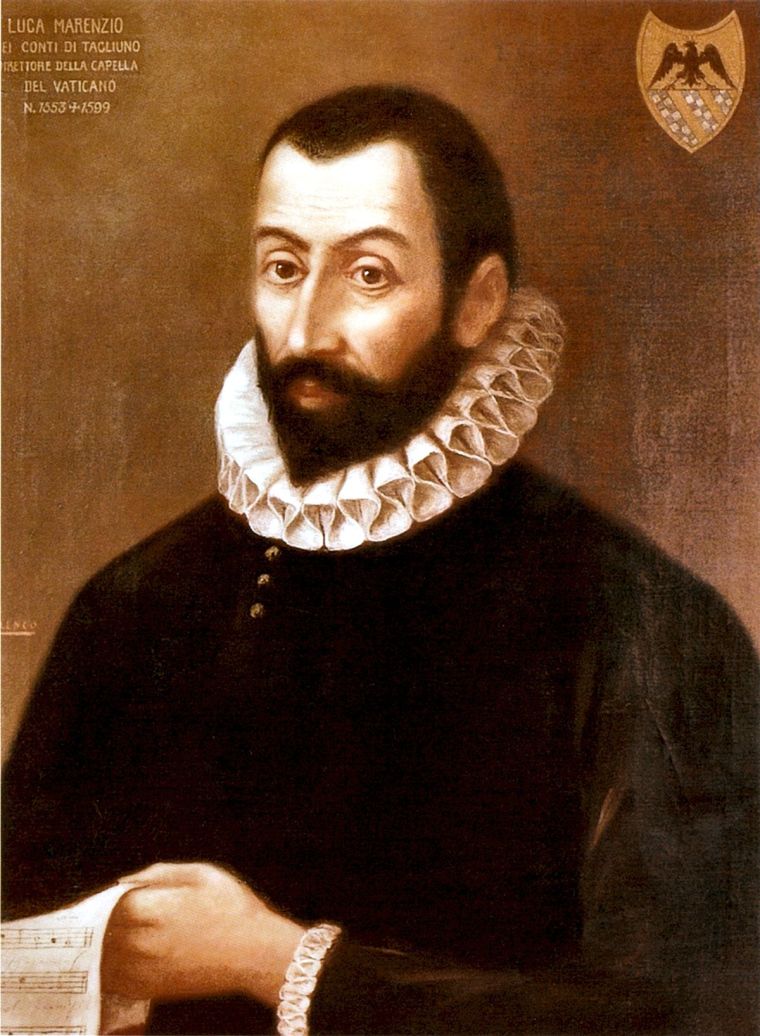
Luca Marenzio (1553 o 1554 - 1599): Clori nel mio partire, madrigale a 5 voci (dal Sesto libro de madrigali a cinque voci, 1594, n. 2). La Venexiana, dir. Claudio Cavina.
Clori nel mio partire
Languiva al mio languire
E da le luci ov’ha ricetto Amore
Cadeano a mille
Le rugiadose stille.
Cauto v’accorse il mio dolente core,
E da begl’ occhi intanto
Co’ baci n’involò quel vago pianto.
Meraviglia gentile e non più udita:
Quel pianto il cibo fu de la mia vita !
Hor che di lei son privo,
Mercé di quelle lagrime mi vivo.
Luciano Chailly (19 gennaio 1920 - 2002): Variazioni nel sogno per pianoforte (1974). Alfonso Alberti.

Boris Blacher (19 gennaio 1903 - 1975): Sinfonia (1938). Philharmonisches Orchester Frankfurt, dir. Nikos Athinäos.
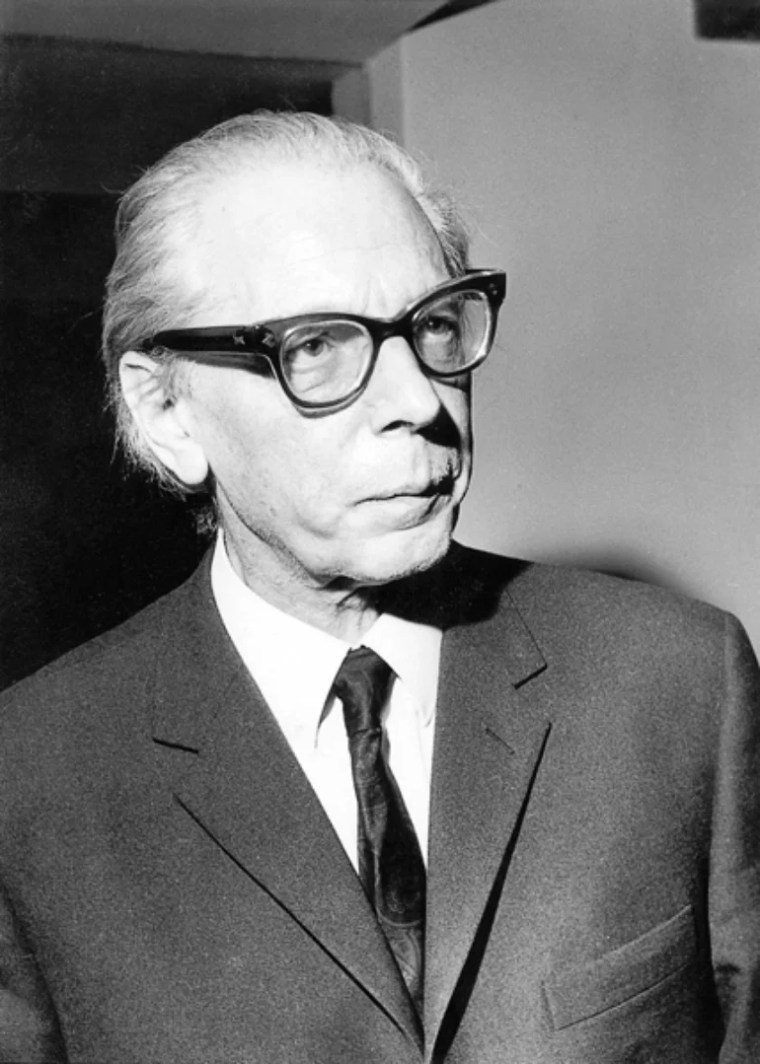
Igor’ Fëdorovič Stravinskij (1882 - 1971): Le Sacre du printemps trascritto dall’autore per pianoforte a 4 mani (1914). Vladimir Aškenazij e Andrej Gavrilov.
1er tableau: L’adoration de la Terre
– Introduction
– Augures printaniers — Danses des adolescentes [3:58]
– Jeu du rapt [7:19]
– Rondes printanières [8:30]
– Jeu des cités rivales [12:22]
– Cortège du Sage [14:02]
– L’Adoration de la Terre (Le Sage) — Danse de la terre [14:40]
2ème tableau: Le sacrifice
– Introduction [16:15]
– Cercles mystérieux des adolescentes [20:44]
– Glorification de l’élue [24:14]
– Évocation des ancêtres [25:38]
– Action rituelle des ancêtres [26:17]
– Danse sacrale [29:44]

Hector Berlioz (1803 - 1869): «Une puce gentille», dalla légende dramatique La damnation de Faust (1846, da Goethe), parte 2ª, scena 6ª. Gabriel Bacquier, baritono; London Symphony Orchestra, dir. Georges Prêtre.
Une puce gentille
chez un prince logeait.
Comme sa propre fille,
le brave homme l’aimait,
et, l’histoire assure,
à son tailleur un jour
lui fit prendre mesure
pour un habit de cour.
L’insecte, plein de joie
dès qu’il se vit paré
d’or, de velours, de soie,
et de crois décoré.
Fit venir de province
ses frères et ses sœurs
qui, par ordre du prince,
devinrent grands seigneurs.
Mais ce qui fut bien pire,
c’est que les gens de cour,
sans en oser rien dire,
se grattaient tout le jour.
Cruelle politique!
Ah! plaignons leur destin,
et, dès qu’une nous pique,
écrasons-la soudain!
Walter Braunfels (1882 - 1954): Phantastische Erscheinungen eines Themas von Berlioz op. 25 (1914-17). ORF Radio-Symphonieorchester Wien, dir. Dennis Russell Davies.

|
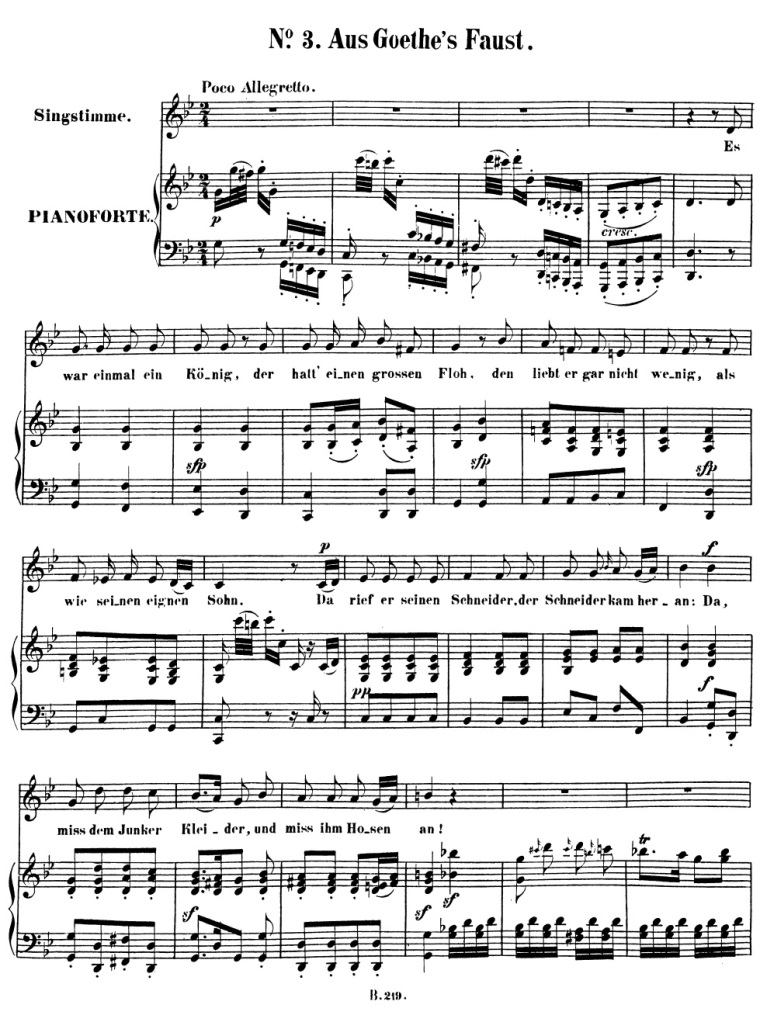
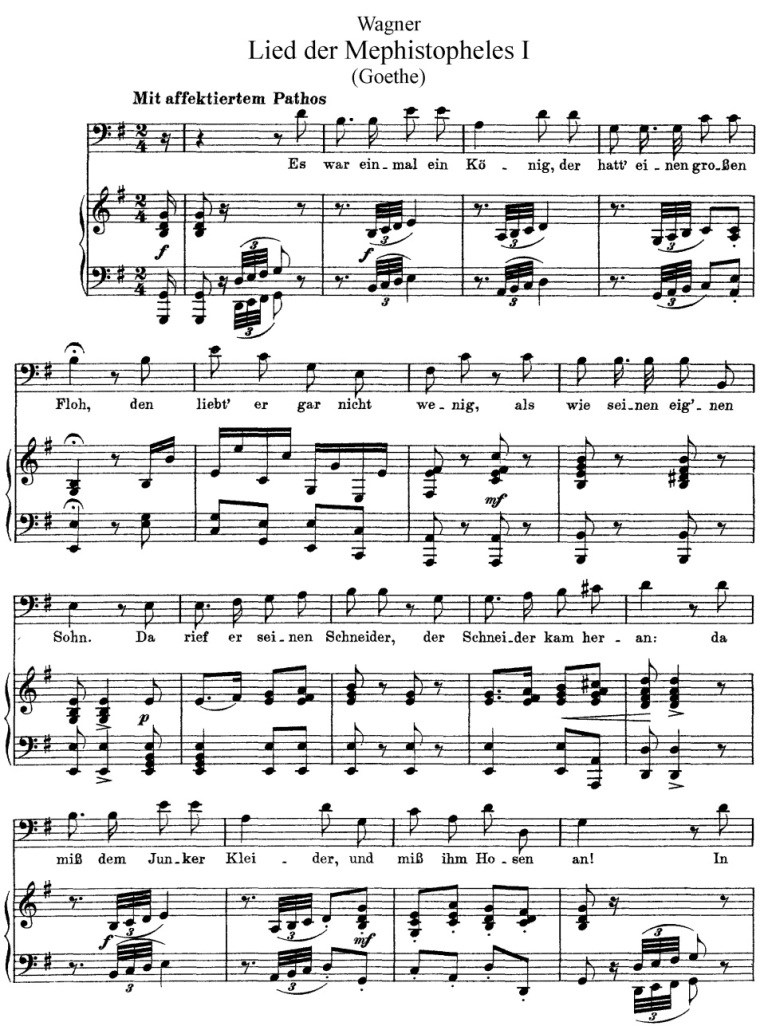
Es war einmal ein König, In Sammet und in Seide Und Herrn und Frau’n am Hofe, (Wolfgang Goethe, Faust. Erster Teil ) |
C’era una volta un re Di velluto e di seta E dame a cavalieri a corte |
Ludwig van Beethoven (1770 - 1827): Aus Goethes Faust («Es war einmal ein König»), Lied op. 75 n. 3 (1809). Dietrich Fischer-Dieskau, baritono; Gerald Moore, pianoforte.
Richard Wagner (1813 - 1883): Lieder des Mephistopheles I («Es war einmal ein König»), n. 4 delle Sieben Kompositionen zu Goethes „Faust“ WWV 15 (1831). Thomas Hampson, baritono; Geoffrey Parsons, pianoforte.
Ferruccio Busoni (1866 - 1924): Lied des Mephistopheles op. 9 no. 2, versione per baritono e pianoforte (1918). Dietrich Fischer-Dieskau, baritono; Jörg Demus, pianoforte.
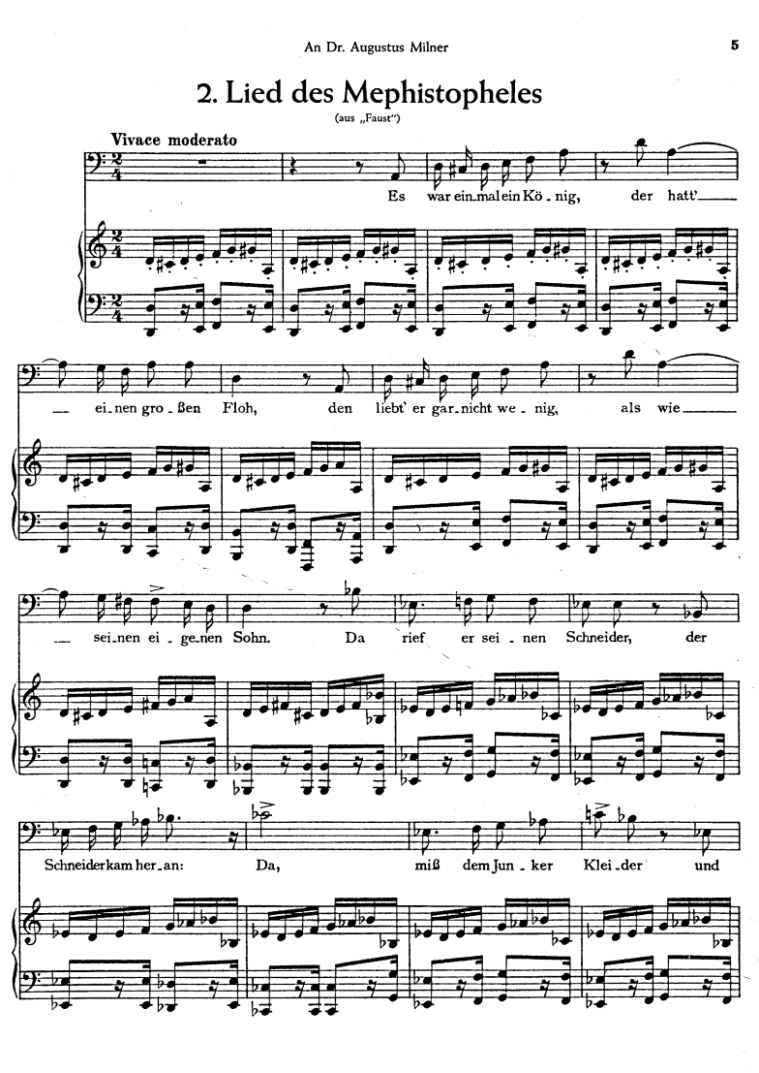
Modest Petrovič Musorgskij (1839 - 1881): Canzone di Mefistofele nella cantina di Auerbach (Песня Мефистофеля в погребке Ауэрбаха, 1879); testo di Aleksandr Nikolaevič Strugoščikov, da Goethe. Sergej Lejferkus, baritono; Semën Skigin, pianoforte.
Жил был король когда-то,
При нём блоха жила,
Блоха… блоха!
Милей родного брата она ему была;
Блоха… ха, ха, ха! блоха?
Ха, ха, ха, ха, ха!… Блоха!
Зовёт король портного: ,,Послушай ты, чурбан!
Для друга дорогого
Сшей бархатный кафтан!“
Блохе кафтан? Ха, ха! Блохе?
Ха, ха, ха, ха, ха!
Кафтан? Ха, ха, ха!
Блохе кафтан?
Вот в золото и бархат
Блоха наряжена,
И полная свобода ей при дворе дана. Ха, ха!
Ха, ха! Блохе!
Король ей сан министра
И с ним звезду даёт,
За нею и другие пошли все блохи в ход.
Ха, ха!
И самой королеве,
И фрейлинам ея,
От блох не стало мочи,
Не стало и житья. Ха, ха!
И тронуть-то боятся,
Не то чтобы их бить.
А мы, кто стал кусаться,
Тотчас давай душить!

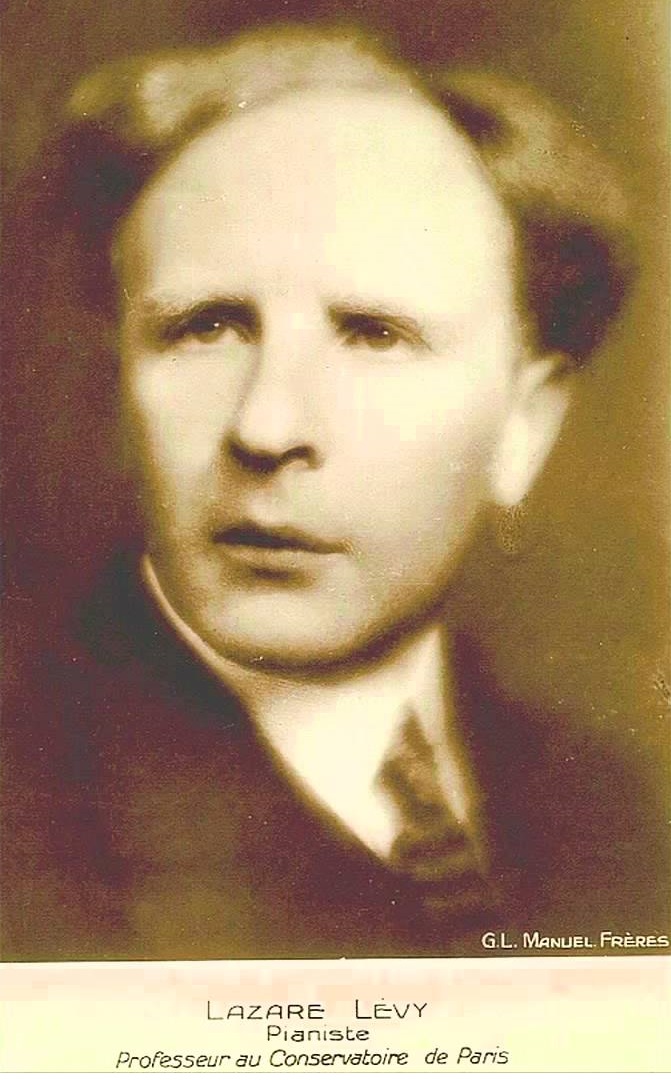
Lazare Lévy (18 gennaio 1882 - 1964): Sei Studi per pianoforte, dedicati a Juliette Meerovitch (1920). Danielle Laval.
 Paul Nordoff (1909 - 18 gennaio 1977): Winter Symphony (1955). The Louisville Orchestra, dir. Robert Whitney.
Emmanuel Chabrier (18 gennaio 1841 - 1894): Pièces pittoresques per pianoforte (1880-81). Rena Kyriakou.
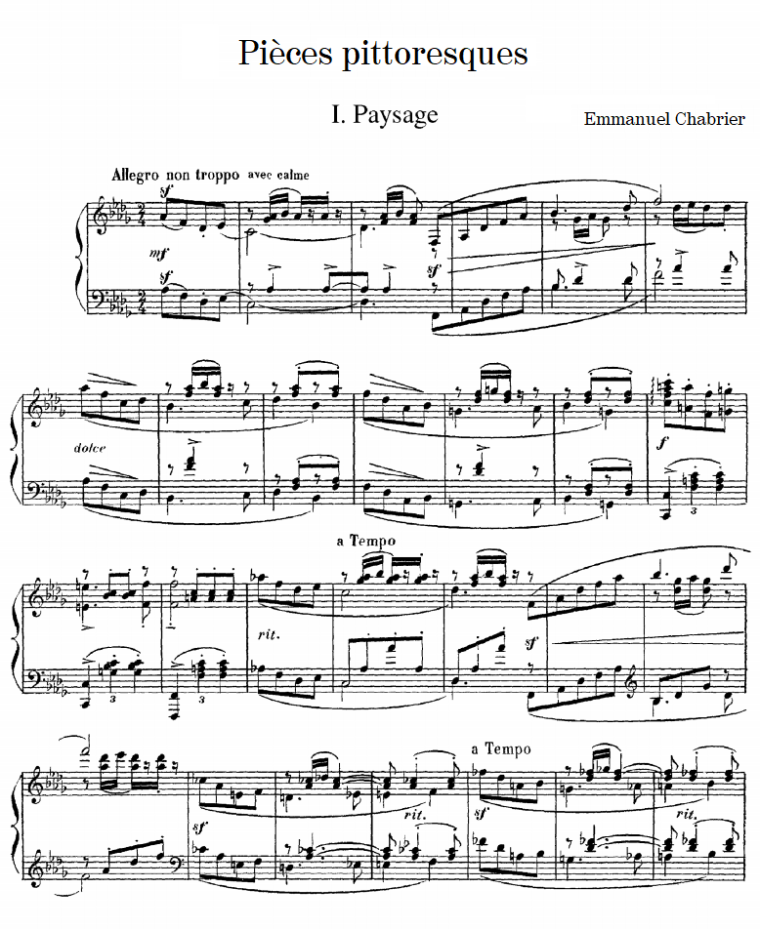
Chabrier: Suite pastorale, orchestrazione delle Pièces pittoresques n. 6, 7, 4 e 10 (1888). Wiener Philharmoniker, dir. John Eliot Gardiner.
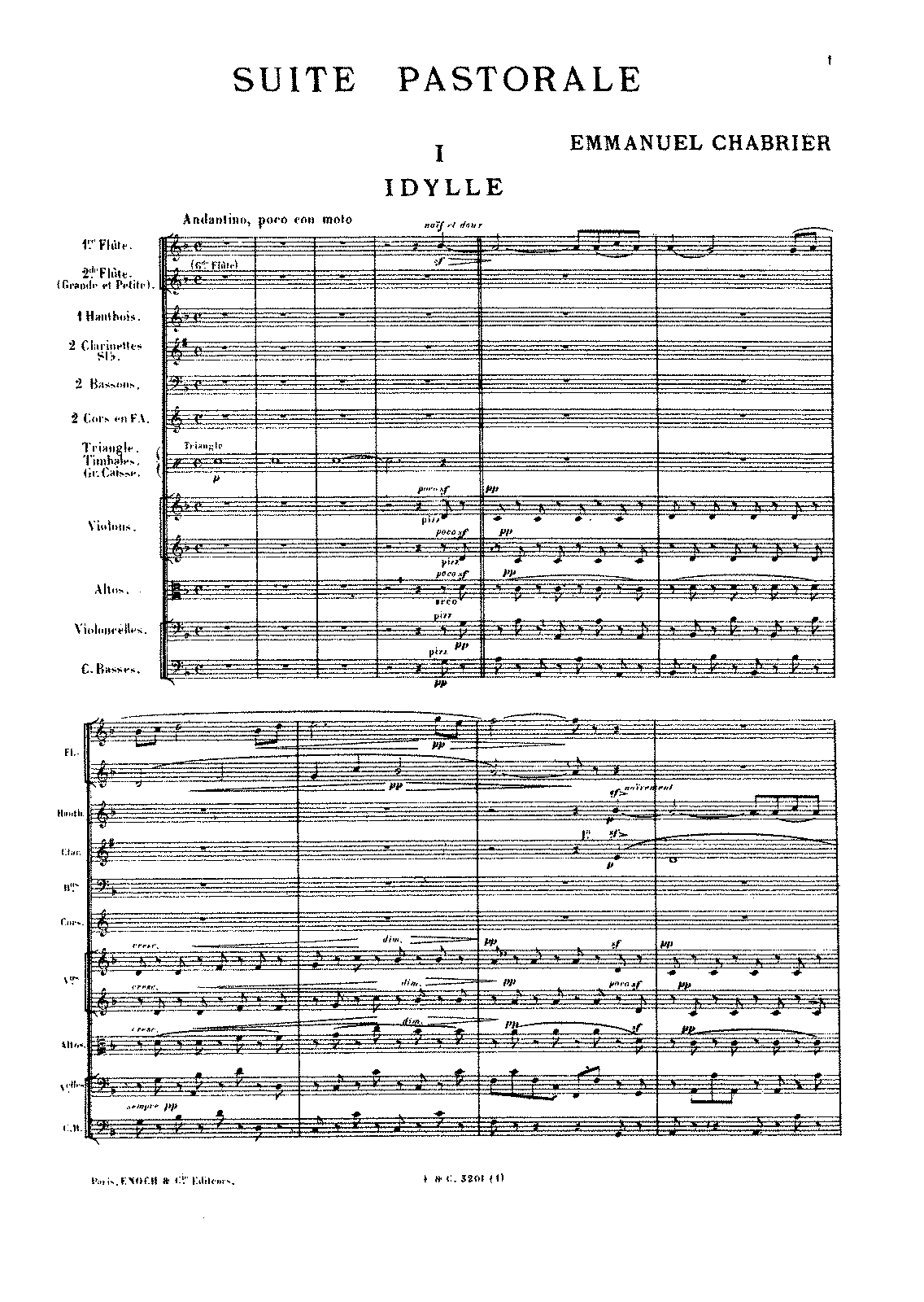
Antonio Veracini (17 gennaio 1659 - 1733): Sonata in re minore per violino e basso continuo op. 2 n. 3 (1694). Rüdiger Lotter, violino; Olga Watts, clavicembalo.
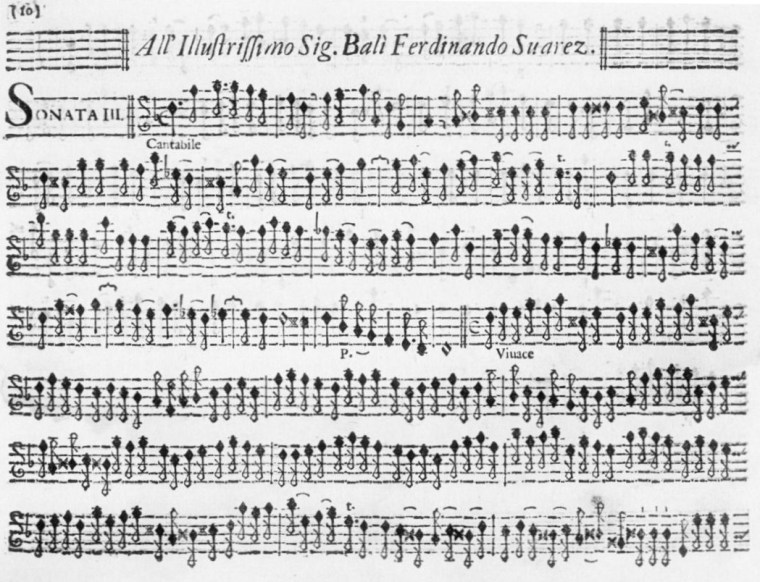
François-Joseph Gossec (17 gennaio 1734 - 1829): Simphonie à 17 parties in fa maggiore (1809). Orchestre symphonique de Liège, dir. Jacques Houtmann.

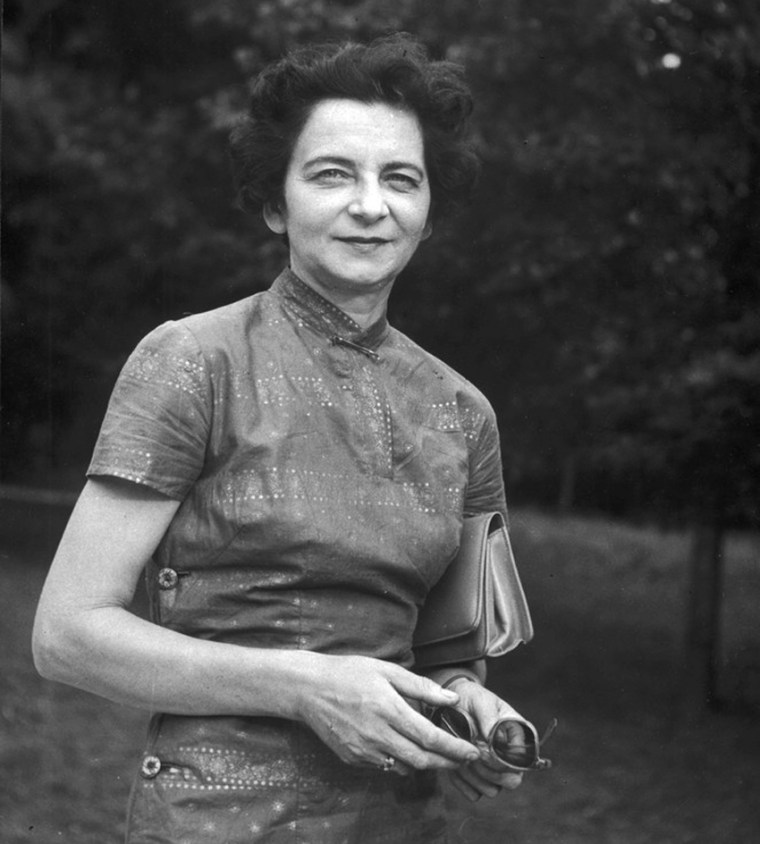
Grażyna Bacewicz (1909 - 17 gennaio 1969): Terza Sinfonia (1952). Narodowa Orkiestra Symfoniczna Polskiego Radia, dir. Jan Krenz.
 Giovanni Battista Sammartini (1700 o 1701 - 17 gennaio 1775): Sinfonia in do maggiore J-C 7. I Giovani di Nuova Cameristica, dir. Daniele Ferrari.
John Stanley (17 gennaio 1712 - 1786): Concerto in do minore per organo e orchestra op. 10 n. 4 (1775). Gerald Gifford, organo e direzione; Royal Northern Sinfonia.
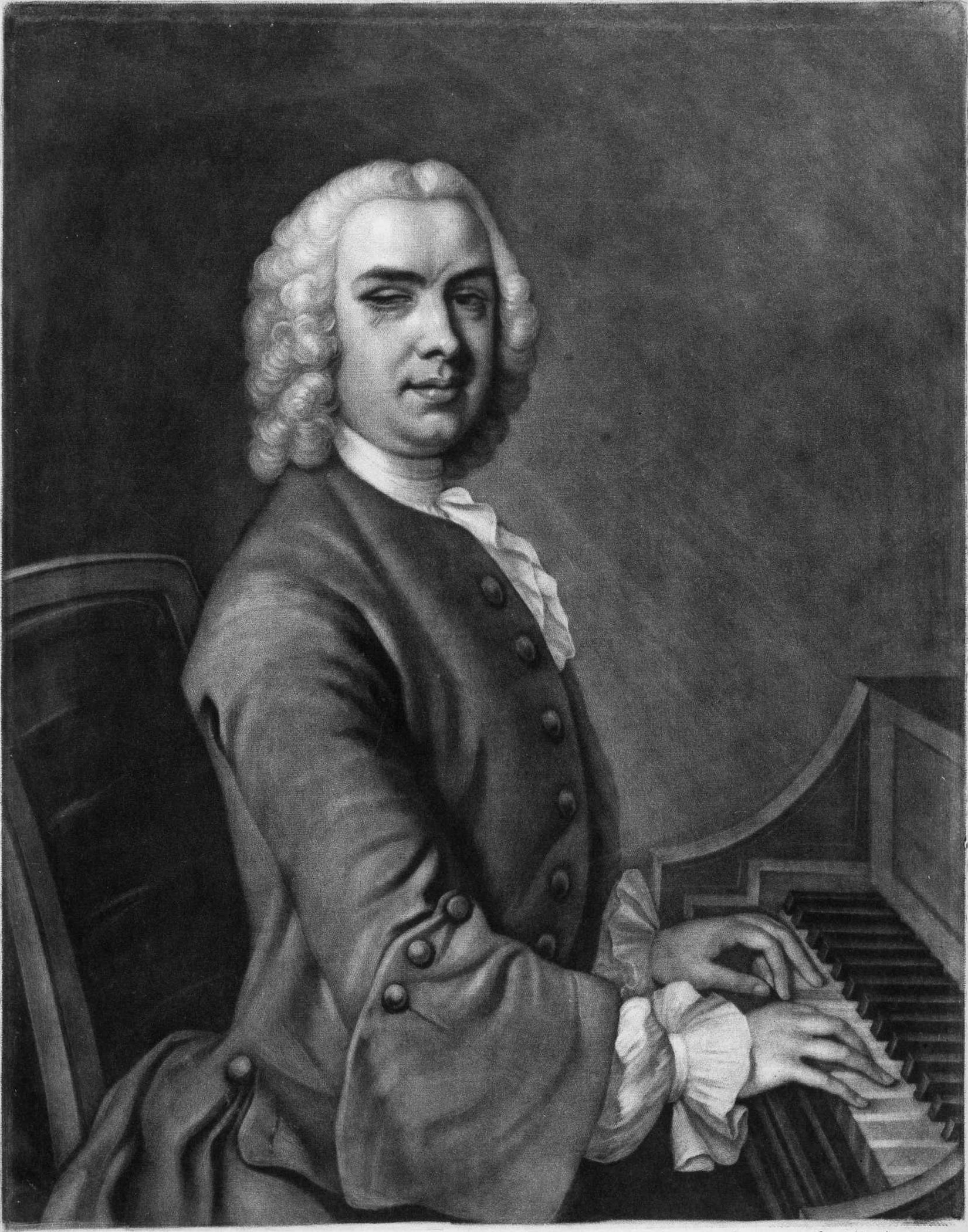
Léo Delibes (1836 - 16 gennaio 1891): Les filles de Cadix, boléro (1874); testo di Alfred de Musset. Natalie Dessay, soprano; Berliner Symphoniker, dir. Michael Schønwandt.
Nous venions de voir le taureau,
Trois garçons, trois fillettes.
Sur la pelouse il faisait beau,
Et nous dansions un boléro
Au son des castagnettes:
«Dites-moi, voisin,
Si j’ai bonne mine,
Et si ma basquine
Va bien, ce matin.
Vous me trouvez la taille fine?
Ah! ah!
Les filles de Cadix aiment assez cela.»
Et nous dansions un boléro
Un soir, c’était dimanche.
Vers nous s’en vint un hidalgo
Cousu d’or, la plume au chapeau,
Et la poing sur la hanche:
«Si tu veux de moi,
Brune au doux sourire,
Tu n’as qu’a le dire,
Cet or est à toi.
– Passez votre chemin, beau sire
Ah! Ah!
Les filles de Cadix n’entendent pas cela.»
Et nous dansions un boléro,
Au pied de la colline.
Sur le chemin passa Diégo,
Qui pour tout bien n’a qu’un manteau
Et qu’une mandoline:
«La belle aux doux yeux,
Veux-tu qu’à l’église
Demain te conduise
Un amant jaloux?
– Jaloux! jaloux! quelle sottise!
Ah! ah!
Les filles de Cadix craignent ce défaut là!»

Have a WordPress.com account? Log in now.

