
Leslie Bassett (22 gennaio 1923 - 2016): Variations for orchestra (1963). Orchestra sinfonica della Radio di Zurigo, dir. Jonathan Sternberg.
A questa composizione fu conferito il Premio Pulitzer per la musica nel 1966.

Leslie Bassett (22 gennaio 1923 - 2016): Variations for orchestra (1963). Orchestra sinfonica della Radio di Zurigo, dir. Jonathan Sternberg.
A questa composizione fu conferito il Premio Pulitzer per la musica nel 1966.
Charles Tournemire (22 gennaio 1870 - 1939): Sinfonia n. 2 in si maggiore, Ouessant (1908–09). Orchestra sinfonica di Mosca, dir. Antonio de Almeida.

Ernest Chausson (21 gennaio 1855 - 1899): Poème de l’amour et de la mer per voce e orchestra op. 19 (1882-92) su testo di Maurice Bouchor. Montserrat Caballé, soprano; Symphonica of London, dir. Wyn Morris.
I. La Fleur des eaux
L’air est plein d’une odeur exquise de lilas
Qui, fleurissant du haut des murs jusques en bas,
Embaument les cheveux des femmes.
La mer au grand soleil va toute s’embraser,
Et sur le sable fin qu’elles viennent baiser
Roulent d’éblouissantes lames.
Ô ciel qui de ses yeux dois porter la couleur,
Brise qui va chanter dans les lilas en fleur
Pour en sortir tout embaumée,
Ruisseaux, qui mouillerez sa robe, ô verts sentiers,
Vous qui tressaillerez sous ses chers petits pieds,
Faites-moi voir ma bien-aimée!
Et mon cœur s’est levé par ce matin d’été;
Car une belle enfant était sur le rivage,
Laissant errer sur moi des yeux pleins de clarté,
Et qui me souriait d’un air tendre et sauvage.
Toi que transfiguraient la Jeunesse et l’Amour,
Tu m’apparus alors comme l’âme des choses;
Mon cœur vola vers toi, tu le pris sans retour,
Et du ciel entr’ouvert pleuvaient sur nous des roses.
Quel son lamentable et sauvage
Va sonner l’heure de l’adieu!
La mer roule sur le rivage,
Moqueuse, et se souciant peu
Que ce soit l’heure de l’adieu.
Des oiseaux passent, l’aile ouverte,
Sur l’abîme presque joyeux;
Au grand soleil la mer est verte,
Et je saigne, silencieux,
En regardant briller les cieux.
Je saigne en regardant ma vie
Qui va s’éloigner sur les flots;
Mon âme unique m’est ravie
Et la sombre clameur des flots
Couvre le bruit de mes sanglots.
Qui sait si cette mer cruelle
La ramènera vers mon cœur?
Mes regards sont fixés sur elle;
La mer chante, et le vent moqueur
Raille l’angoisse de mon cœur.
Interlude [12:34]
II. La Mort de l’amour [15:41]
Bientôt l’île bleue et joyeuse
Parmi les rocs m’apparaîtra;
L’île sur l’eau silencieuse
Comme un nénuphar flottera.
À travers la mer d’améthyste
Doucement glisse le bateau,
Et je serai joyeux et triste
De tant me souvenir — bientôt!
Le vent roulait les feuilles mortes; mes pensées
Roulaient comme des feuilles mortes, dans la nuit.
Jamais si doucement au ciel noir n’avaient lui
Les mille roses d’or d’où tombent les rosées.
Une danse effrayante, et les feuilles froissées,
Et qui rendaient un son métallique, valsaient,
Semblaient gémir sous les étoiles, et disaient
L’inexprimable horreur des amours trépassés.
Les grands hêtres d’argent que la lune baisait
Étaient des spectres : moi, tout mon sang se glaçait
En voyant mon aimée étrangement sourire.
Comme des fronts de morts nos fronts avaient pâli,
Et, muet, me penchant vers elle, je pus lire
Ce mot fatal écrit dans ses grands yeux: l’oubli.
Le temps des lilas et le temps des roses
Ne reviendra plus à ce printemps-ci;
Le temps des lilas et le temps des roses
Est passé, le temps des œillets aussi.
Le vent a changé, les cieux sont moroses,
Et nous n’irons plus courir, et cueillir
Les lilas en fleur et les belles roses;
Le printemps est triste et ne peut fleurir.
Oh! joyeux et doux printemps de l’année,
Qui vins, l’an passé, nous ensoleiller,
Notre fleur d’amour est si bien fanée,
Las! que ton baiser ne peut l’éveiller!
Et toi, que fais-tu? pas de fleurs écloses,
Point de gai soleil ni d’ombrages frais;
Le temps des lilas et le temps des roses
Avec notre amour est mort à jamais.

 Ermanno Wolf-Ferrari (12 gennaio 1876 - 21 gennaio 1948): Divertimento in re maggiore per orchestra op. 20 (1937). Münchner Rundfunkorchester, dir. Ulf Schirmer.
 Jacques Chailley (1910 - 21 gennaio 1999): Sinfonia n. 1 in sol minore (1945). Orchestre National de l’ORTF, dir. Jean Fournet.
Alcuni temi musicali pubblicati con funzioni esplicative da Jean-Jacques Rousseau nel Dictionnaire de musique (1768) sono stati poi inseriti in composizioni più o meno celebri. Per esempio, una melodia di ranz des vaches fornì a Rossini lo spunto per alcune pagine, fra cui la famosa scena finale, del Guillaume Tell (1828).
Questo «air chinois», invece,

venne utilizzato da Carl Maria von Weber in una Overtura cinese scritta nel 1805 e poi confluita nelle musiche di scena composte per una rappresentazione della Turandot che Schiller aveva tratto dall’omonimo lavoro di Gozzi. Più recentemente Paul Hindemith impiegò lo stesso tema, desunto dall’Overtura cinese di Weber, nelle Metamorfosi sinfoniche.
Il medesimo «air chinois» ispirò inoltre una sere di variazioni sinfoniche al compositore britannico di origine belga Eugene Aynsley Goossens.
Carl Maria von Weber (1786 - 1826): Ouverture e Marcia [a 4:22] per Turandot op. 37, J. 75 (1809). City of Birmingham Symphony Orchestra, dir. Lawrence Foster.
Paul Hindemith (1895 - 1963): Scherzo (Turandot), da Symphonic Metamorphosis of Themes by Carl Maria von Weber (1943). Berliner Philharmoniker diretti dall’autore (1955).
Il titolo originale dell’opera è in inglese: Hindemith si era stabilito negli Stati Uniti nel 1940 e le Metamorfosi furono eseguite per la prima volta il 20 gennaio 1944 dalla New York Philharmonic-Symphony Orchestra diretta da Artur Rodziński.
(Penso che Hindemith sia un compositore sottovalutato; questo Scherzo è semplicemente geniale.)
Eugene Aynsley Goossens (1893 - 1962): Variations on a Chinese Theme per orchestra op. 1 (1911-12). Melbourne Symphony Orchestra, dir. Vernon Handley.
Ennio Porrino (20 gennaio 1910 - 1959): Preludio in modo religioso e Ostinato [6:16] per orchestra (1942). Orchestra «Alessandro Scarlatti» di Napoli, dir. Pietro Argento.
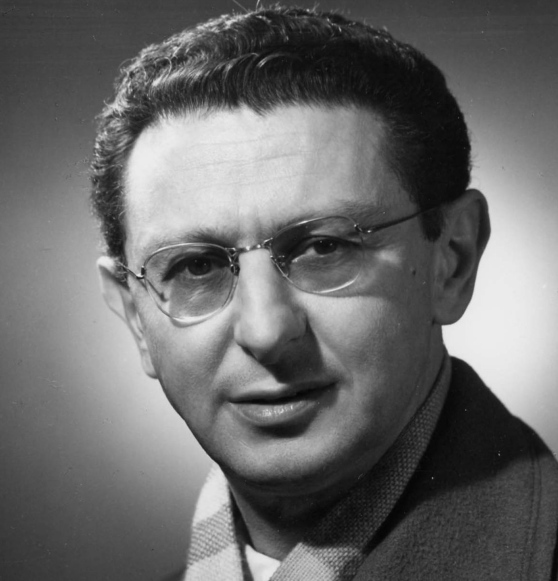
Gustav Mahler (1860 - 1911): Adagio, I movimento della Decima Sinfonia (1910), versione di Deryck Cooke. Berliner Philharmoniker, dir. Claudio Abbado (1933 - 20 gennaio 2014).

Ferdinand Hérold (1791 - 19 gennaio 1833): Concerto per pianoforte e orchestra n. 3 in la maggiore (1813). Jean-Frédéric Neuburger, pianoforte; Sinfonia Varsovia, dir. Hervé Niquet.
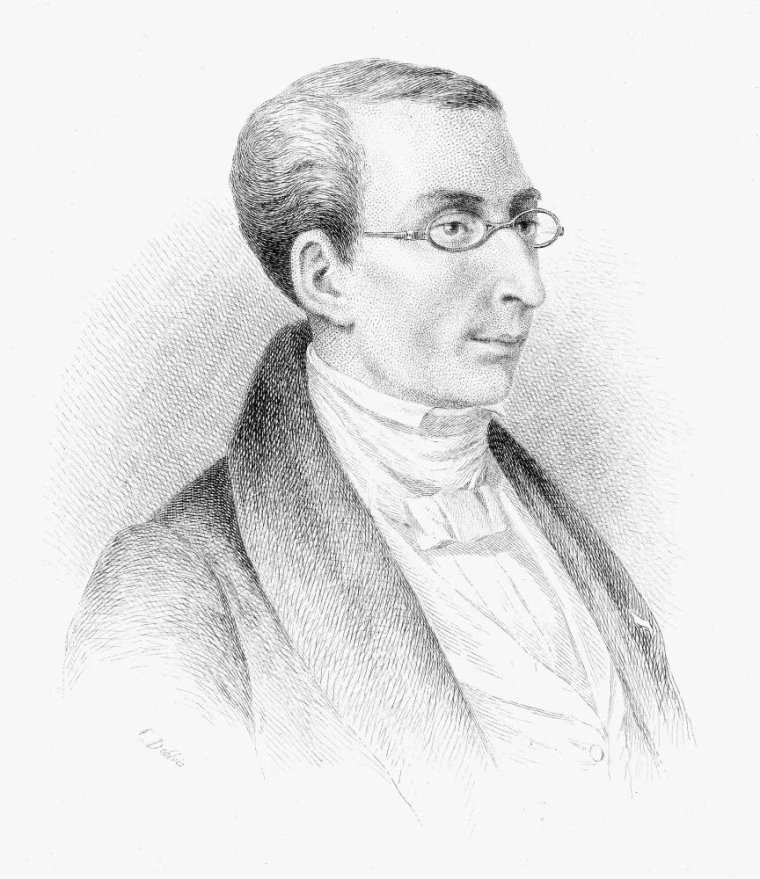
Boris Blacher (19 gennaio 1903 - 1975): Sinfonia (1938). Philharmonisches Orchester Frankfurt, dir. Nikos Athinäos.
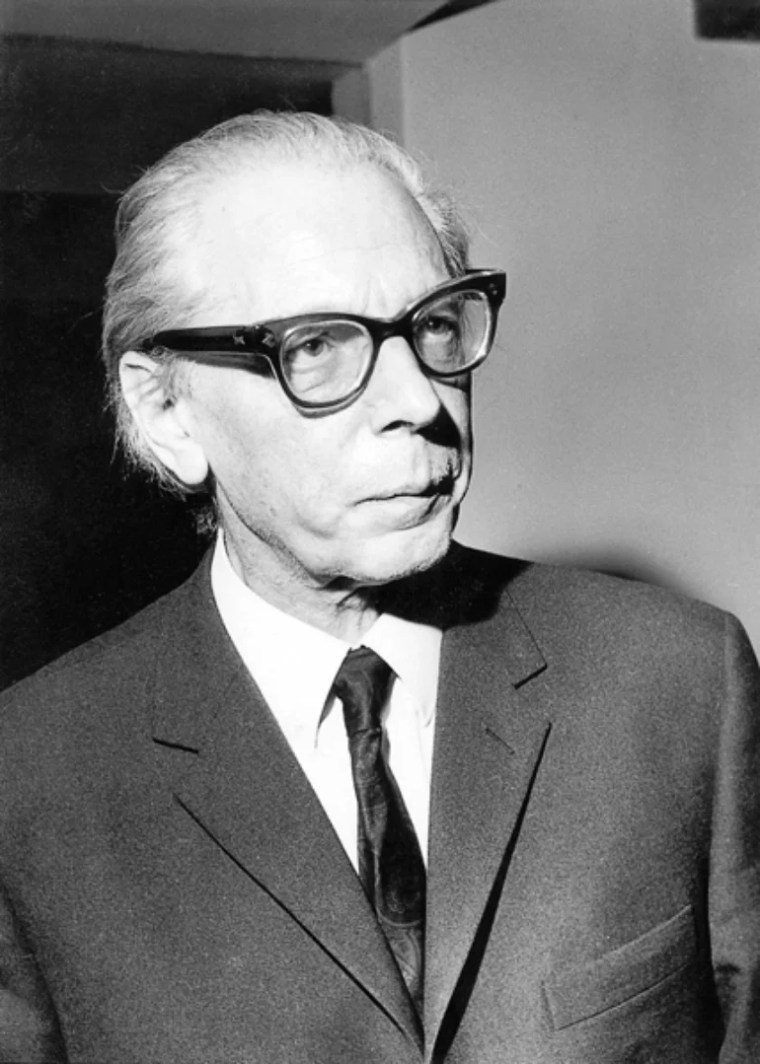
Hector Berlioz (1803 - 1869): «Une puce gentille», dalla légende dramatique La damnation de Faust (1846, da Goethe), parte 2ª, scena 6ª. Gabriel Bacquier, baritono; London Symphony Orchestra, dir. Georges Prêtre.
Une puce gentille
chez un prince logeait.
Comme sa propre fille,
le brave homme l’aimait,
et, l’histoire assure,
à son tailleur un jour
lui fit prendre mesure
pour un habit de cour.
L’insecte, plein de joie
dès qu’il se vit paré
d’or, de velours, de soie,
et de crois décoré.
Fit venir de province
ses frères et ses sœurs
qui, par ordre du prince,
devinrent grands seigneurs.
Mais ce qui fut bien pire,
c’est que les gens de cour,
sans en oser rien dire,
se grattaient tout le jour.
Cruelle politique!
Ah! plaignons leur destin,
et, dès qu’une nous pique,
écrasons-la soudain!
Walter Braunfels (1882 - 1954): Phantastische Erscheinungen eines Themas von Berlioz op. 25 (1914-17). ORF Radio-Symphonieorchester Wien, dir. Dennis Russell Davies.

 Paul Nordoff (1909 - 18 gennaio 1977): Winter Symphony (1955). The Louisville Orchestra, dir. Robert Whitney.
Emmanuel Chabrier (18 gennaio 1841 - 1894): Pièces pittoresques per pianoforte (1880-81). Rena Kyriakou.
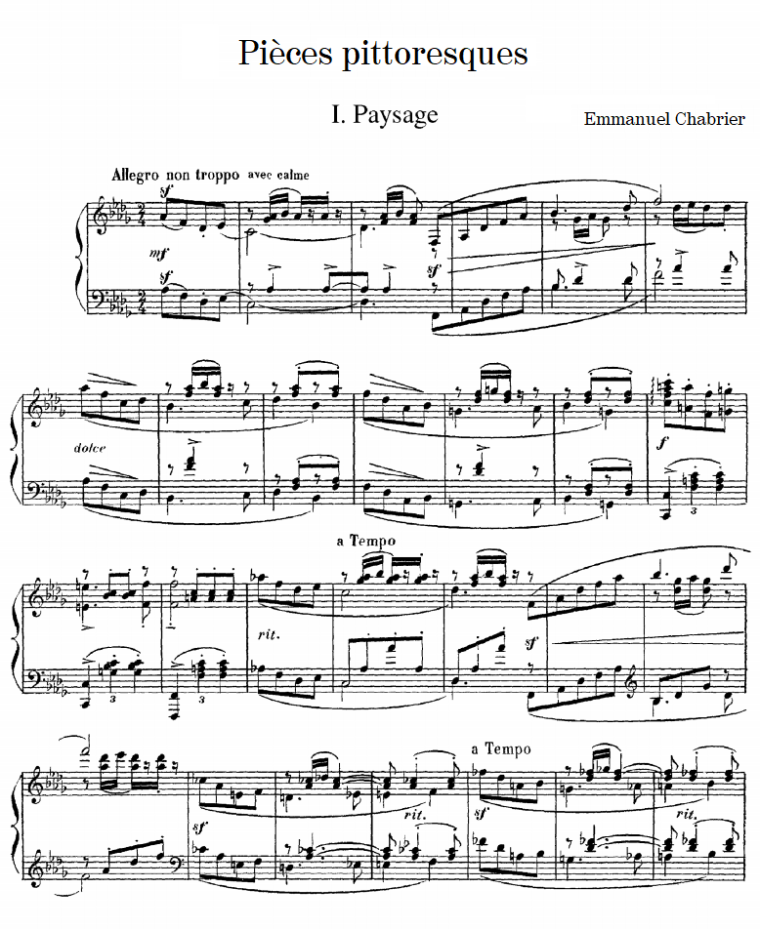
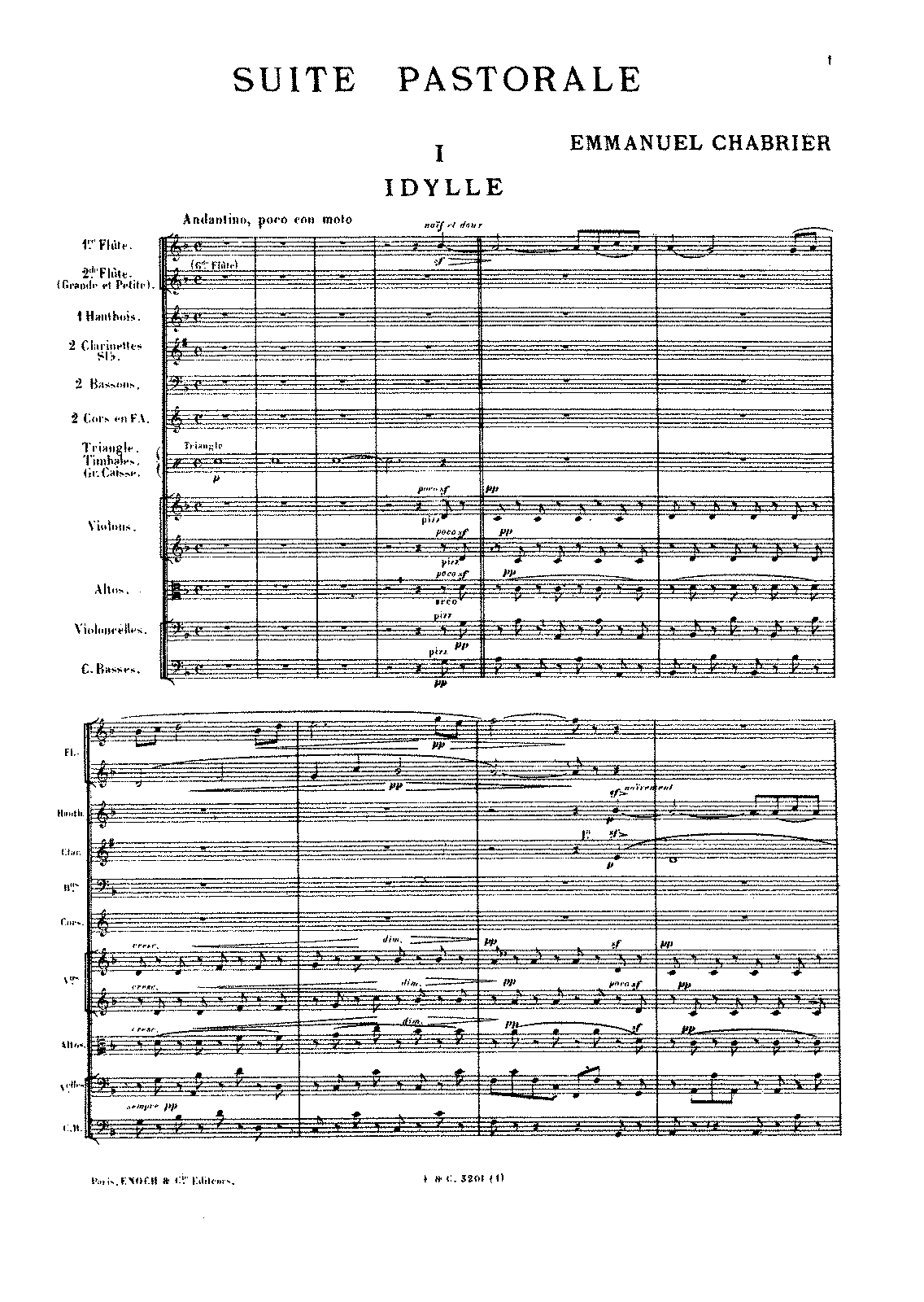
Chabrier: Suite pastorale, orchestrazione delle Pièces pittoresques n. 6, 7, 4 e 10 (1888). Wiener Philharmoniker, dir. John Eliot Gardiner.
François-Joseph Gossec (17 gennaio 1734 - 1829): Simphonie à 17 parties in fa maggiore (1809). Orchestre symphonique de Liège, dir. Jacques Houtmann.

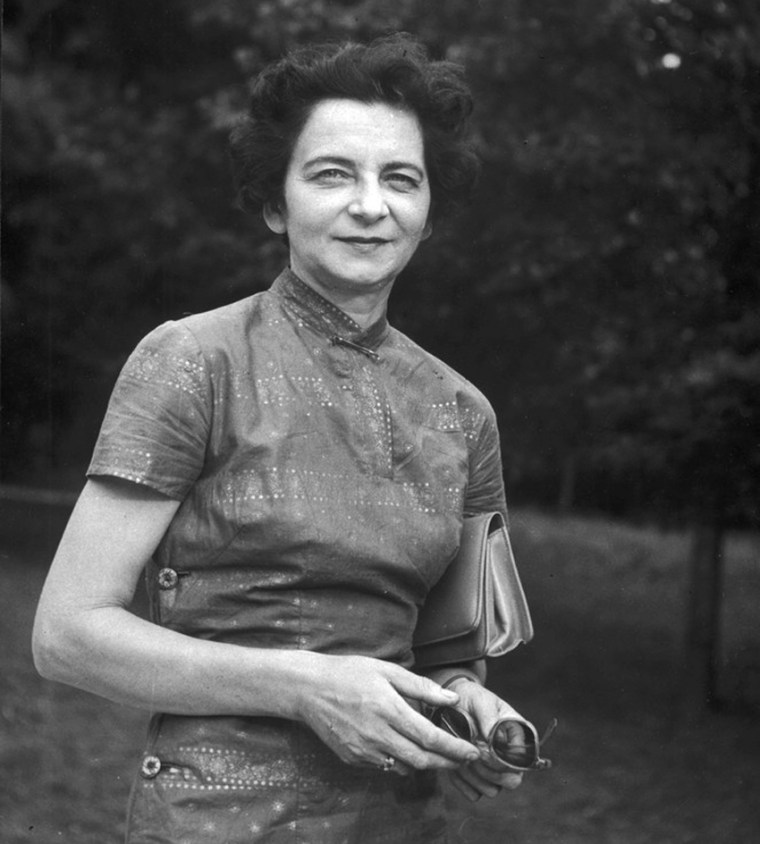
Grażyna Bacewicz (1909 - 17 gennaio 1969): Terza Sinfonia (1952). Narodowa Orkiestra Symfoniczna Polskiego Radia, dir. Jan Krenz.
 Giovanni Battista Sammartini (1700 o 1701 - 17 gennaio 1775): Sinfonia in do maggiore J-C 7. I Giovani di Nuova Cameristica, dir. Daniele Ferrari.
John Stanley (17 gennaio 1712 - 1786): Concerto in do minore per organo e orchestra op. 10 n. 4 (1775). Gerald Gifford, organo e direzione; Royal Northern Sinfonia.
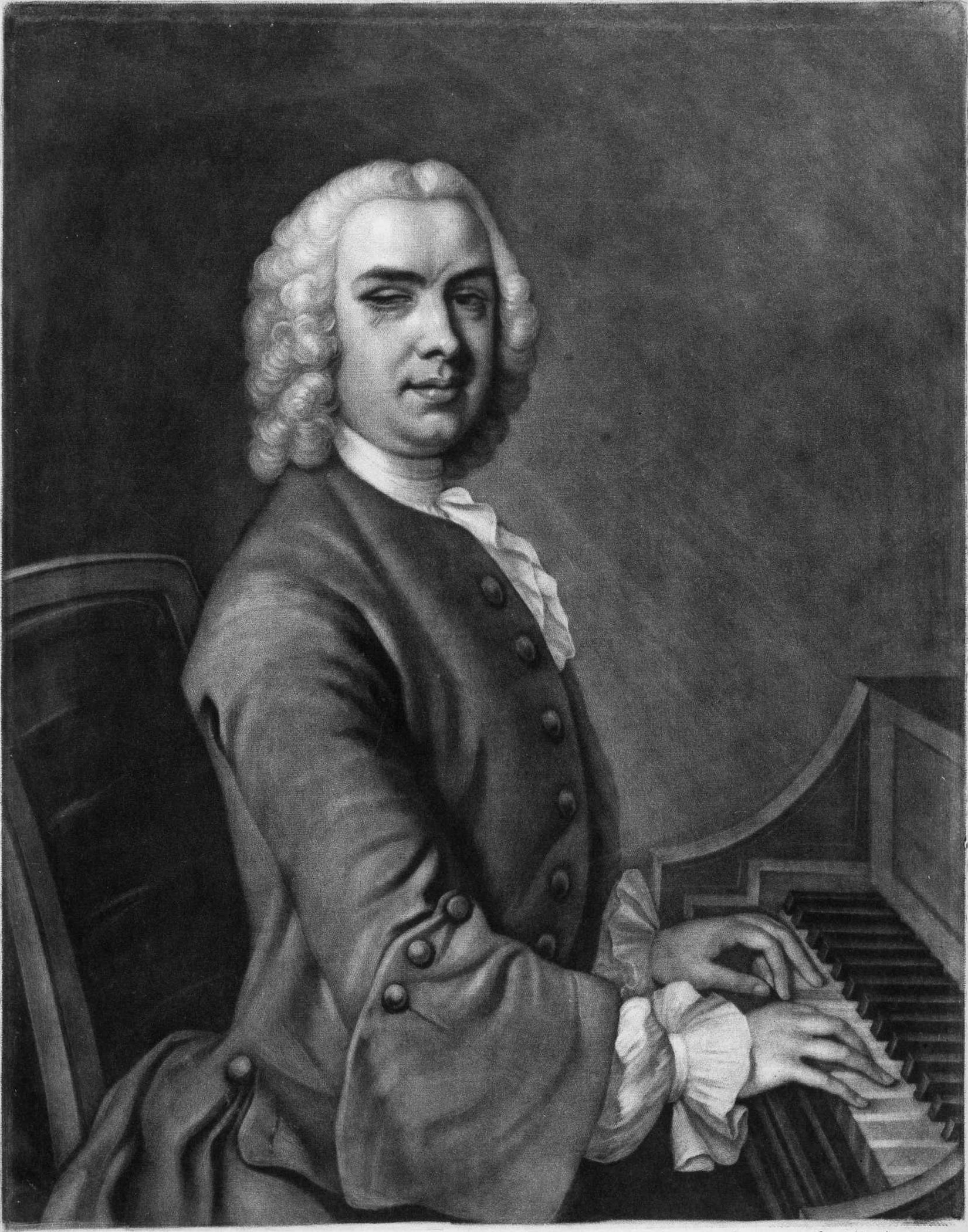
Claudia Montero (1962 - 16 gennaio 2021): Luces y sombras, concerto per per chitarra e orchestra (2017). María Isabel Siewers, chitarra; Orchestra sinfonica di Praga (Symfonický orchestr hlavního města Prahy), dir. Lucía Zicos.

Gavin Bryars (16 gennaio 1943): Concerto per pianoforte, coro maschile e orchestra, The Solway Canal (2010); testi di Edwin Morgan (1920 - 2010). Ralph van Raat, pianoforte; Cappella Amsterdam, Nederlands Radio Kamer Filharmonie, dir. Otto Tausk.
The Solway Canal
Slowly through the Cheviot Hills at dawn
we sailed. The high steel bridge at Carter Bar
passed over us in fog with not a car
in its broad lanes. Our hydrofoil slid on,
vibrating quietly through wet rock walls
and scarves of dim half-sparkling April mist;
a wizard with a falcon on his wrist
was stencilled on our bow. Rough waterfalls
flashed on that northern island of the Scotts
as the sun steadily came up and cast
red light along the uplands and the waves,
and gulls with open beaks tore out our thoughts
through the thick glass to where the Eildons massed,
or down to the Canal’s drowned borderers’ graves.
A Place of Many Waters
Infinitely variable water,
let seals bob in your silk or loll on Mull
where the lazy fringes rustle; let hull
and screw slew you round, blind heavy daughter
feeling for shores; keep kelpies in loch lairs,
eels gliding, malts mashing, salmon springing;
let the bullers roar to the terns winging
in from a North Sea’s German Ocean airs
of pressing crashing Prussian evening blue;
give linns long fall; bubble divers bravely
down to mend the cable you love to rust;
and slant at night through lamplit cities, true
as change is true, on gap-site pools, gravely
splintering the puckering of the gust.
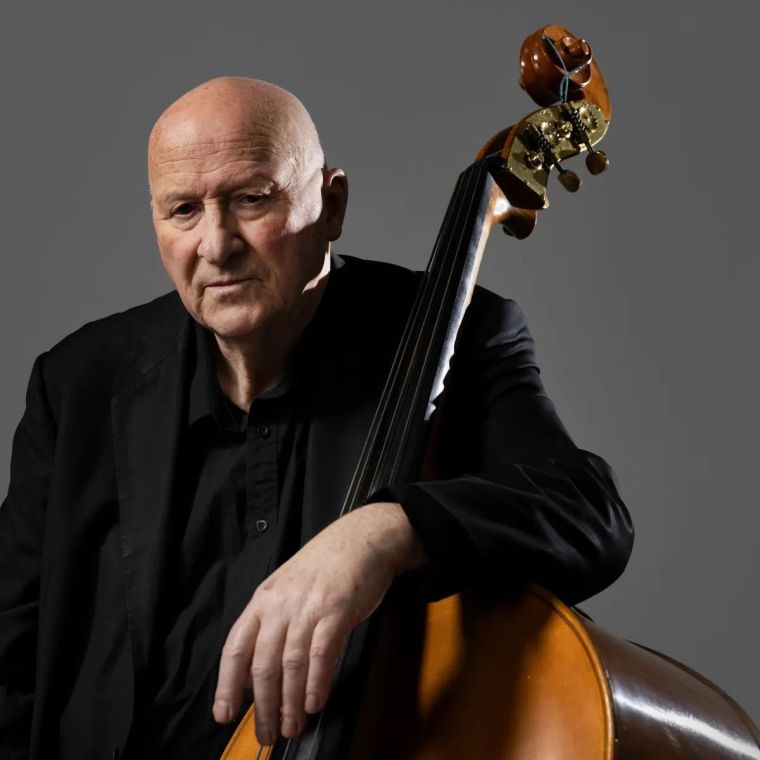
 Richard Wetz (1875 - 16 gennaio 1935): Kleist-Ouvertüre in re minore op. 16 (1908). Deutsche Staatsphilharmonie Rheinland-Pfalz, dir. Werner Andreas Albert.
Omaggio al drammaturgo Heinrich von Kleist (1777 - 1811), la partitura reca in epigrafe alcuni versi di Friedrich Hölderlin (1770 - 1843):
Nicht in der Blüt’ und Purpurtraub’
Ist heilige Kraft allein, es nährt
Das Leben vom Leide sich,
Und trinkt, wie mein Held, doch auch
Am Todeskelche sich glücklich.
(Non soltanto nel fiore e nell’uva purpurea è la sacra energia; la vita si nutre di dolore e beve, come il mio eroe, anche la gioia dal calice della morte.)
Eduard Lassen (1830 - 15 gennaio 1904): Concerto in re maggiore per violino e orchestra op. 87 (1888). Jiří Vodička, violino; Janáčkova filharmonie Ostrava, dir. Heiko Mathias Förster.
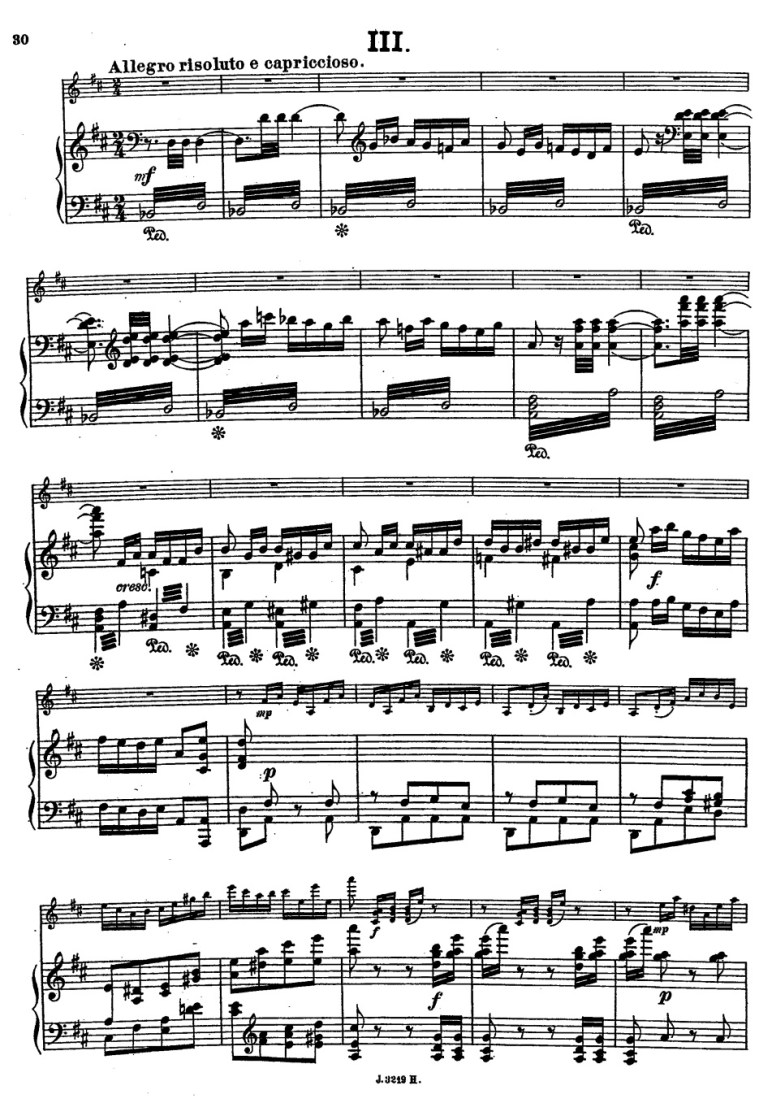
Aaron Jay Kernis (15 gennaio 1960): Musica celestis per archi (1990). Ensemble Symphonique Neuchâtel, dir. Alexander Mayer.

Francesco Petrini (1744 - 1819): Concerto per arpa n. 1 in si bemolle maggiore op. 25 (c1786). Masumi Nagasawa, arpa; Kölner Akademie, dir. Michael Alexander Willens.

André Bloch (14 gennaio 1873 - 1960): Concerto-ballet per pianoforte e orchestra (1947). Sondra Bianca, pianoforte; Philharmonisches Staatsorchester Hamburg, dir. Hans-Jürgen Walther.

Paul Ben-Haim (1897 - 14 gennaio 1984): Yizkor (Evocazione), poema per violino e orchestra (1942). Itamar Zorman, violino; Orchestra filarmonica d’Israele, dir. Uri Segal.

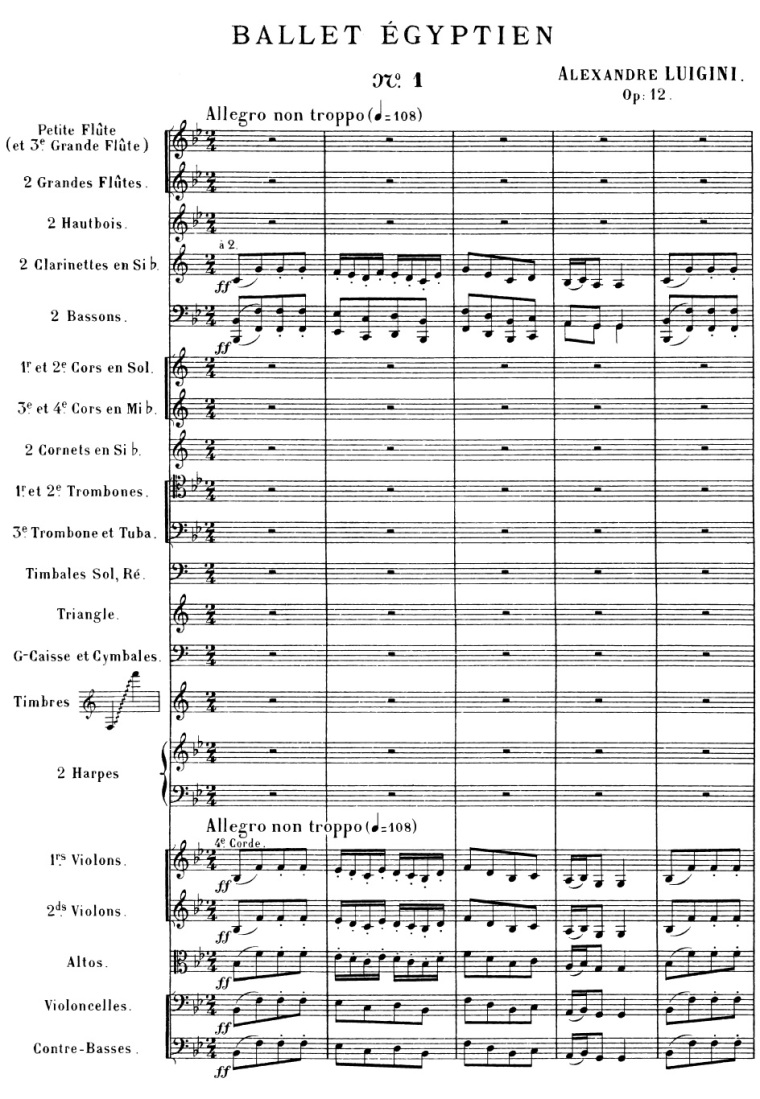
Alexandre Luigini (1850 - 1906): Ballet égyptien op. 12 (1875). London Symphony Orchestra, dir. Richard Bonynge.
Rappresentato per la prima volta al Grand Théâtre di Lione il 13 gennaio 1875, il balletto di Luigini acquisì una certa notorietà undici anni più tardi, nel 1886, quando fu eseguito nel corso di una rappresentazione lionese dell’Aida, come introduzione al II atto.
Richard Blackford (13 gennaio 1954): Niobe pr violino e orchestra (2017). Tamsin Waley-Cohen, violino; Orchestra filarmonica ceca, dir. Ben Gernon.

Ferdinand Ries (1784 - 13 gennaio 1838): Sinfonia n. 5 in re minore op. 112 (1813). Het Radio Kamerorkest, dir. Arnold Östman.

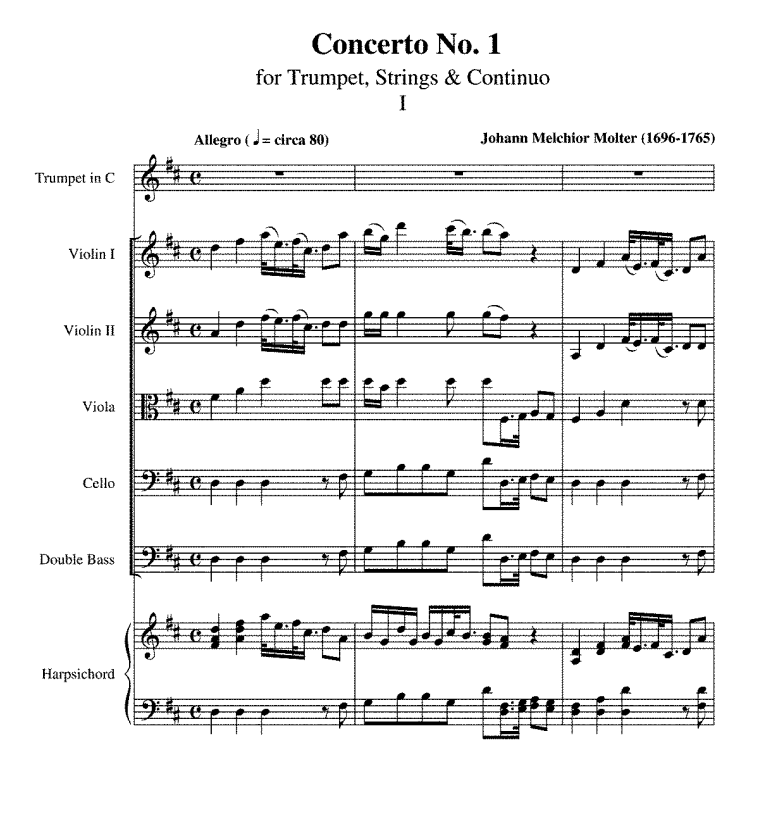
Johann Melchior Molter (1696 – 12 gennaio 1765): Concerto n. 1 in re maggiore per tromba e archi MWV 6:32. Niklas Eklund, tromba barocca; Drottningholms Barockensemble, dir. Nils-Erik Sparf.
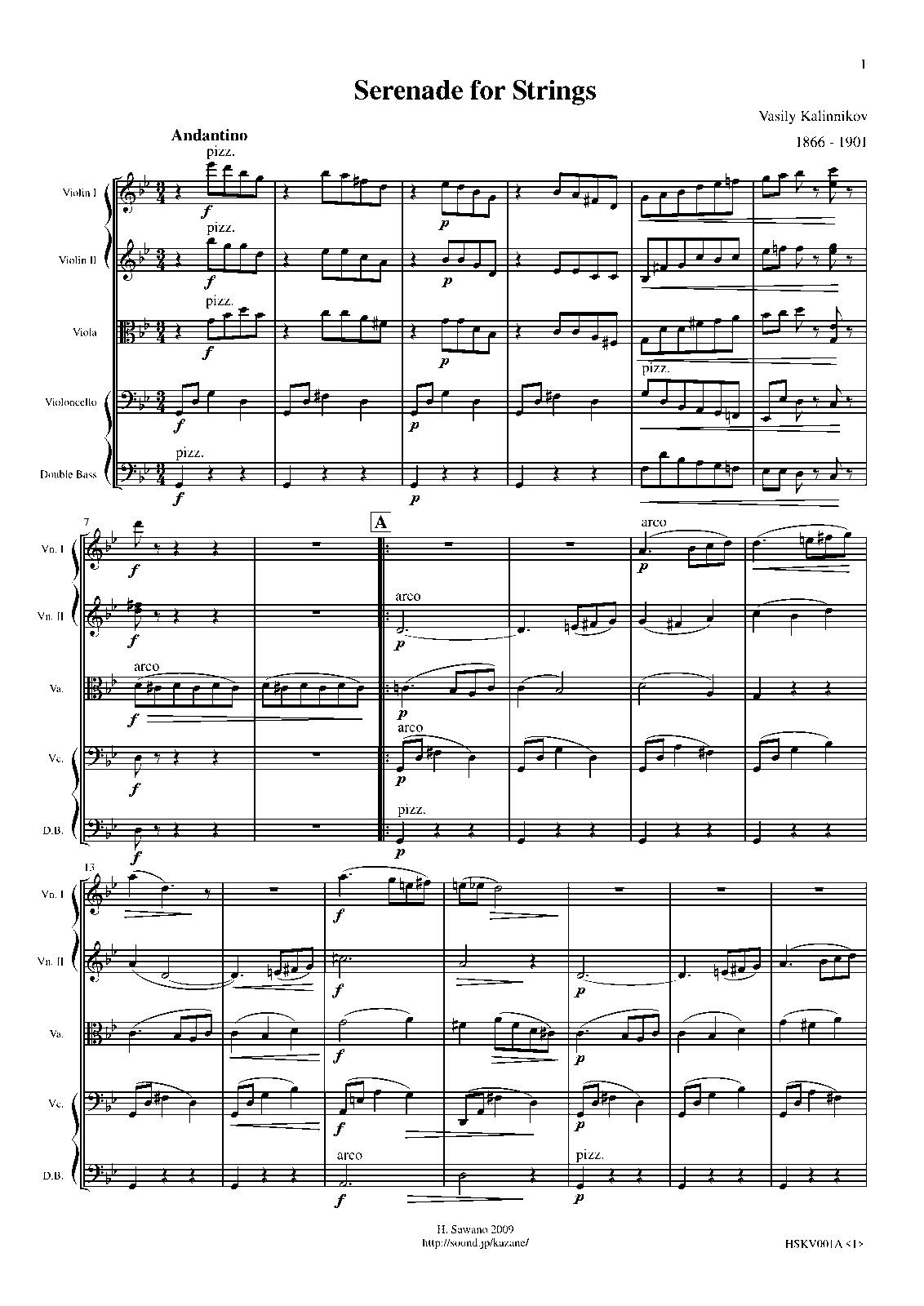
Vasilij Sergeevič Kalinnikov (13 gennaio 1866 - 11 gennaio 1901): Serenata in sol minore per archi (1891). Orchestra sinfonica dell’URSS, dir. Evgenij Svetlanov.
Hai un account WordPress.com? Accedi ora.

