
Louis-Théodore Gouvy (1819 - 21 aprile 1898): Quintetto in la maggiore per pianoforte e archi op. 24 (c1850). Quatuor Denis Clavier; Dimitris Saroglou, pianoforte.
- Allegro giocoso
- Larghetto mosso [7:47]
- Finale: Allegro con brio [20:57]

Louis-Théodore Gouvy (1819 - 21 aprile 1898): Quintetto in la maggiore per pianoforte e archi op. 24 (c1850). Quatuor Denis Clavier; Dimitris Saroglou, pianoforte.
Carl Loewe (1796 - 20 aprile 1869): Concerto per pianoforte e orchestra n. 2 in la maggiore (c1830). Ewa Kupiec, pianoforte; Orchestre national de Lorraine, dir. Jacques Houtmann.
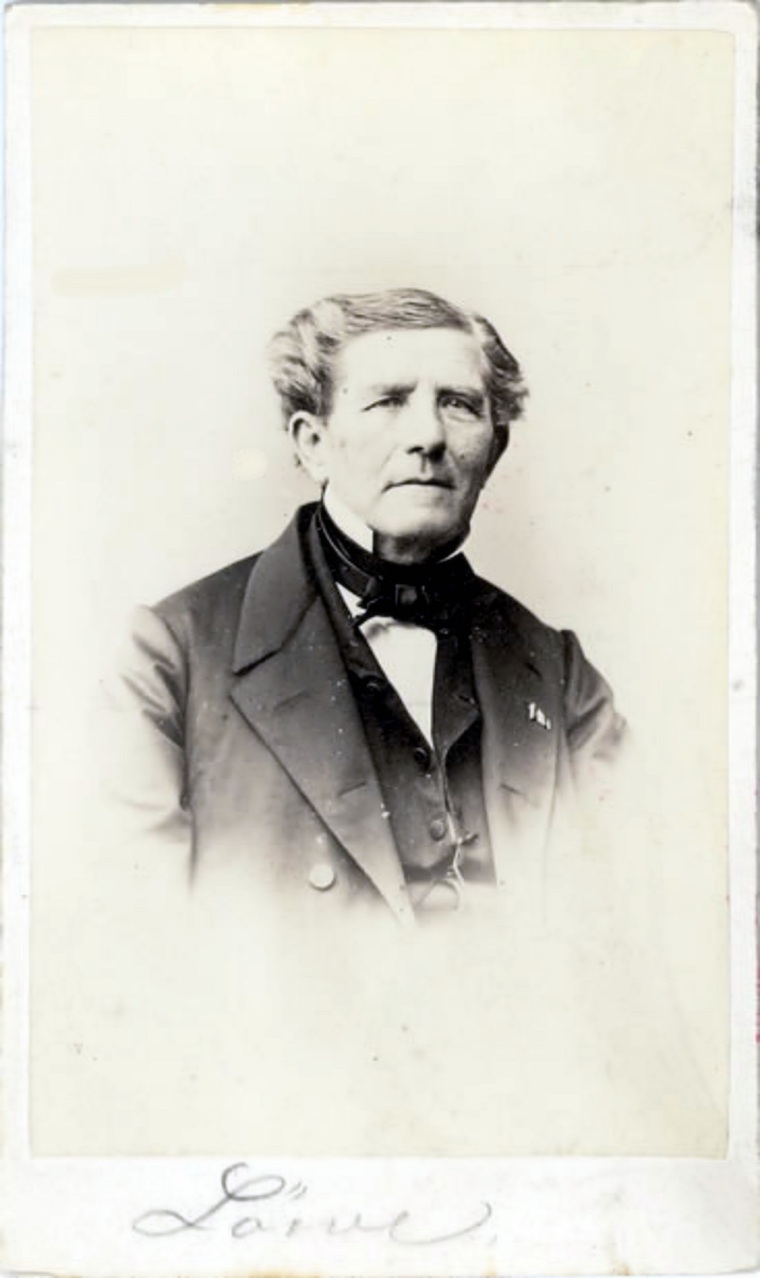
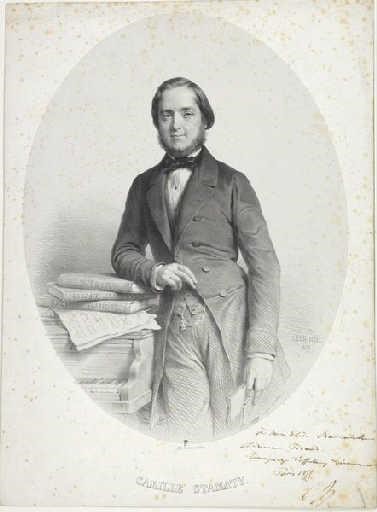
Camille-Marie Stamaty (1811 - 19 aprile 1870): Les Farfadets, «air de ballet» in do maggiore per pianoforte (1857). Gamma1734.
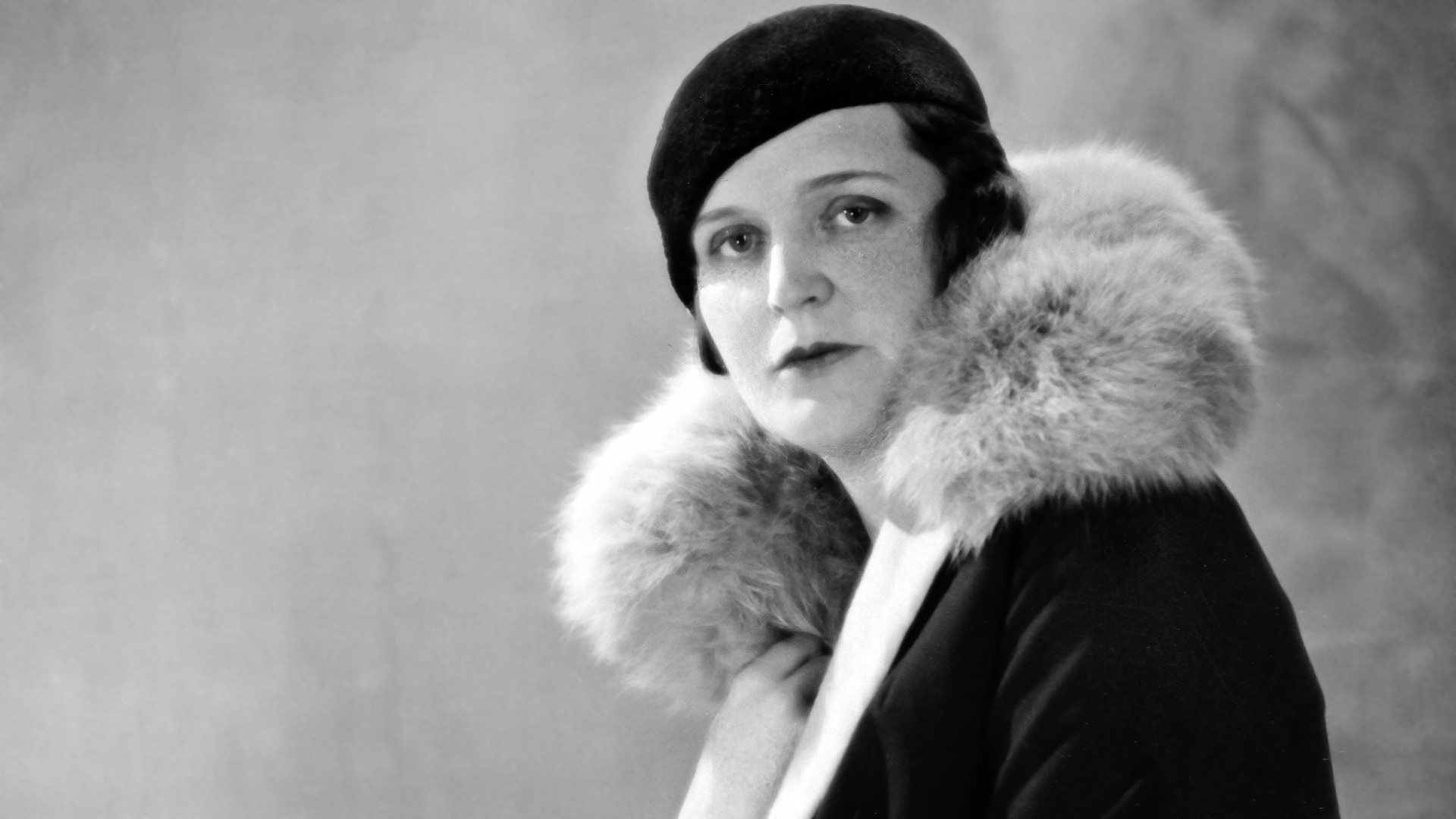
Germaine Tailleferre (19 aprile 1892 - 1983): Ballade per pianoforte e orchestra (1920). Rosario Marciano, pianoforte; Grand orchestre symphonique de Radio Luxembourg, dir. Louis de Froment.
Miklós Rózsa (18 aprile 1907 - 1995): Spellbound Concerto per pianoforte e orchestra (1946), basato sulla musica composta da Rózsa per il film di Alfred Hitchcock Io ti salverò (Spellbound, 1945). Leonard Pennario, pianoforte; the Hollywood Bowl Symphony Orchestra diretta dall’autore (registrazione del 1960).

 Julia Smith (1905 – 18 aprile 1989): Concerto in mi minore per pianoforte e orchestra (1938, rev. 1971). Larry Waltz, pianoforte; Dallas Civic Orchestra, dir. Lee Schaend.
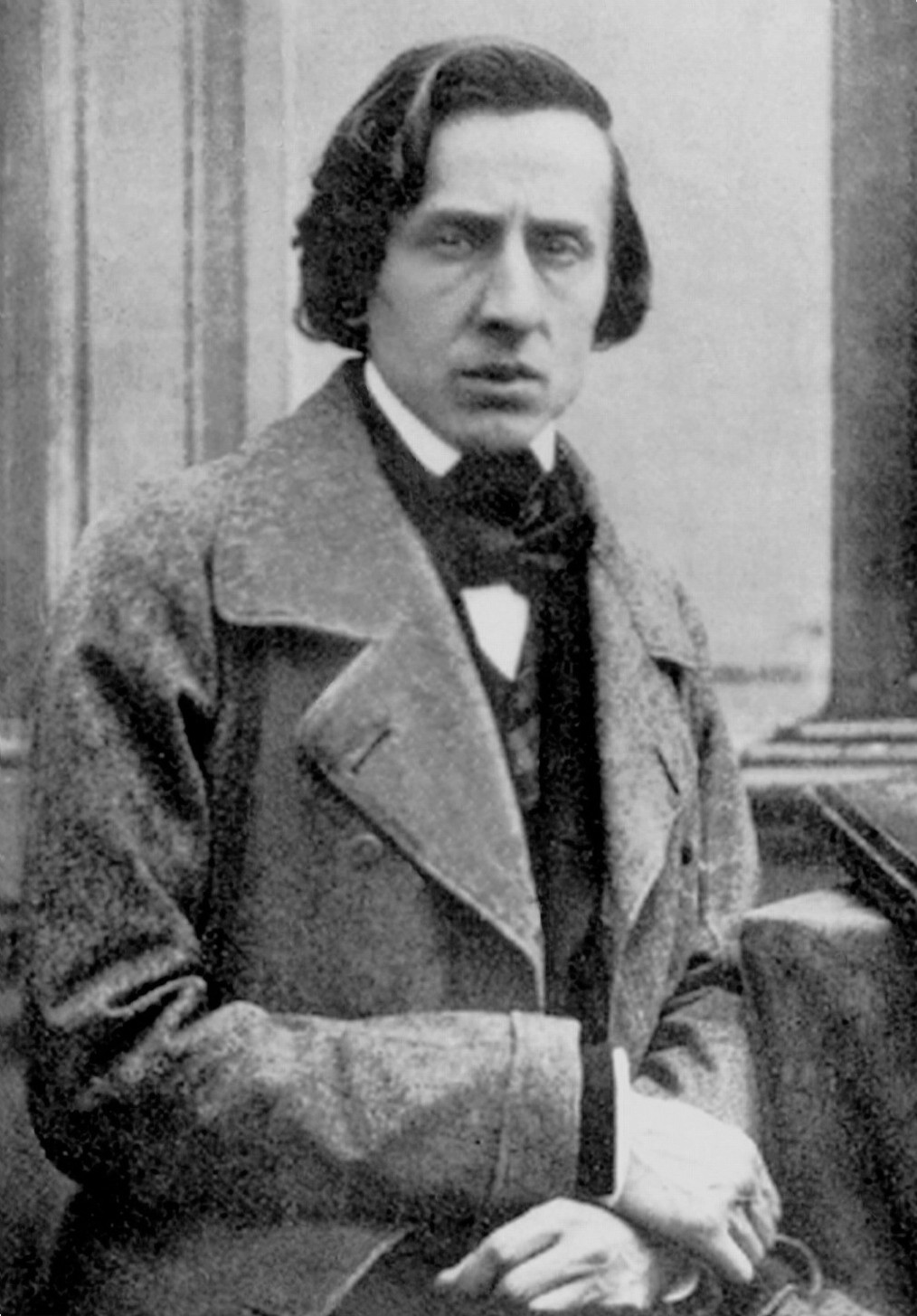
Fryderyk Chopin (1810 - 1849): Preludio in la maggiore op. 28 n. 7 (1836). Ivo Pogorelich, pianoforte.
Federico Mompou (16 aprile 1893 - 1987): Cancion y Danza n. 6 (1956). Aldo Ciccolini, pianoforte.
Fryderyk Chopin: Fantaisie-impromptu in do diesis minore op. posth. 66 (1834). Artur Rubinstein, pianoforte.
Federico Mompou: 12 Variazioni sopra un tema di Chopin (1938-57). Monica Hart Alianello, pianoforte.
Tema: Andantino
1ª variazione: Tranquillo e molto amabile
2ª variazione: Gracioso
3ª variazione: Lento
4ª variazione: Espressivo
5ª variazione: Tempo di mazurka
6ª variazione: Recitativo
7ª variazione: Allegro leggiero
8ª variazione: Andante dolce e espressivo
9ª variazione: Valse
10ª variazione: Évocation. Cantabile molto espressivo
11ª variazione: Lento dolce e legato
12ª variazione: Galope y Epílogo
Nella 10ª variazione sono citati la Cancion y Danza n. 6 di Mompou e, nella sezione centrale, il tema cantabile della Fantaisie-impromptu op. 66 di Chopin.

Emilio Grimaldi (1921 - 15 aprile 2006): Fantasia in la minore per pianoforte. Franco Trabucco.

Borys Ljatošyns’kyj (Boris Ljatošinskij; 1895 - 15 aprile 1968): Quintetto ucraino per pianoforte e archi op. 42 (1945). Lidija Futorska e Andrij Čajkovskij, violini; Marta Karapinka, viola; Viktor Rekalo, violoncello; Ivan Pahota, pianoforte.
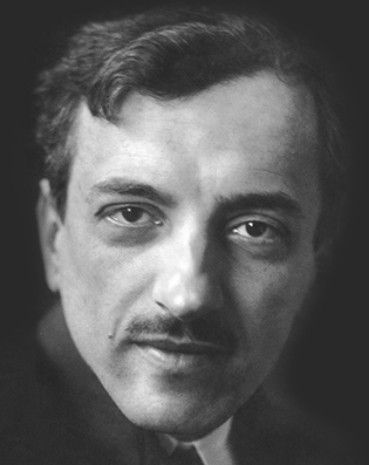
Georg Friedrich Händel (1685 - 14 aprile 1759): «See, the conqu’ring hero comes!», coro (n. 58) dall’oratorio Judas Maccabaeus HWV 63 (1747) su testo di Thomas Morell. Wandsworth School Boys Choir, English Chamber Orchestra, dir. sir Charles Mackerras.
Youths :
See, the conqu’ring hero comes!
Sound the trumpets! Beat the drums!
Sports prepare! The laurel bring !
Songs of triumph to him sing!
Virgins :
See the godlike youth advance!
Breathe the flutes and lead the dance!
Myrtle wreaths and roses twine
to deck the hero’s brow divine!
Israelites :
See, the conqu’ring hero comes!
Sound the trumpets! Beat the drums!
Sports prepare! The laurel bring!
Songs of triumph to him sing!
See, the conqu’ring hero comes!
Sound the trumpets! Beat the drums!
Ludwig van Beethoven (1770 - 1827): 12 Variationen über ein Thema aus dem Oratorium «Judas Maccabäus» von Händel per violoncello e pianoforte WoO 45 (1796). Yo-Yo Ma, violoncello; Emanuel Ax, pianoforte.

Pedro Albéniz (14 aprile 1795 - 12 aprile 1855): La Isla de la cascada de Aranjuez, notturno in do maggiore per pianoforte op. 70 (c1840). Thomas Fischer.


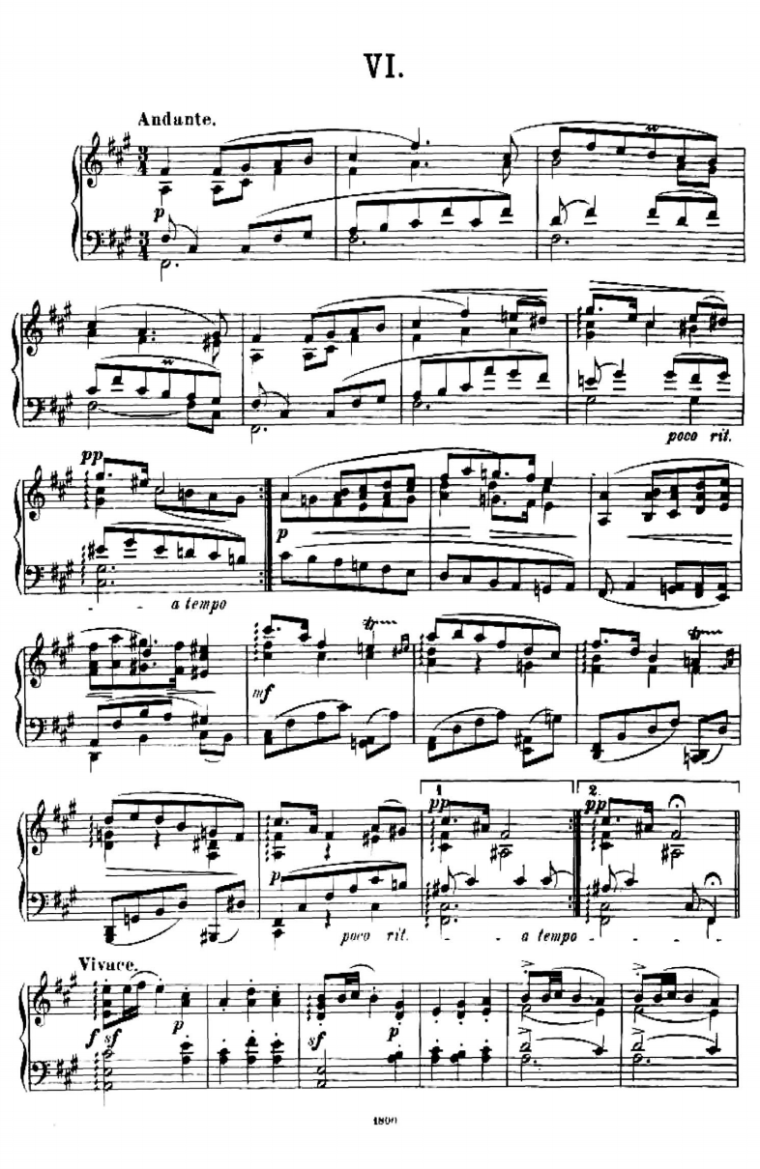
Elisabeth von Herzogenberg, nata von Stockhausen (13 aprile 1847 - 1892): Andante, n. 6 di 8 Klavierstücke (1892). Daniela Willimek, pianoforte.
František Ondříček (1857 - 12 aprile 1922): Scherzo capriccioso per violino e pianoforte op. 18 (c1900). Pavel Šporcl, violino; Petr Jiříkovský, pianoforte.

 Louis-Emmanuel Jadin (1768 - 11 aprile 1853): Sonata in sol maggiore per flauto e pianoforte op. 13 n. 1. Frédéric Chatoux, flauto; Bertrand Giraud, pianoforte.
Anonimo: Їхав козак за Дунай (Ikhav kozak za Dunaj, Cavalcò un cosacco al di là del Danubio), canto tradizionale ucraino, qui interpretato dal cantante e virtuoso di bandura Taras Kompaničenko, da Kiev, con il suo ensemble. Il testo è attribuito al poeta ucraino Semen Klimovskij (1705 - 1785).
Portato nell’Europa occidentale dai soldati dell’esercito zarista in guerra contro Napoleone, questo canto divenne noto nei Paesi di lingua tedesca con il titolo Schöne Minka; nella prima metà dell’Ottocento ispirò diversi compositori.
Carl Maria von Weber (1786 - 1826): [9] Variations sur un air russe per pianoforte op. 40, J. 179 (1814-15). Alexander Paley.
Johann Nepomuk Hummel (1778 - 1837): Variazioni per flauto, violoncello e pianoforte op. 78 n. 2 (1818). Ilma Ensemble: Rosa Sanz, flauto; David Olivares, violoncello; Hernán Milla, pianoforte.
Aleksandr Aleksandrovič Aljab’ev (1787 - 1851): Variazioni sul tema ucraino «Cavalcò un cosacco al di là del Danubio» per violino e orchestra. Aleksandr Trostjanskij, violino; Orchestra Musica Viva, dir. Aleksandr Rudin.
Ludwig van Beethoven (1770 - 1827): Air cosaque: Schöne Minka, ich muß scheiden per canto, violino, violoncello e pianoforte, n. 16 dei Lieder verschiedener Völker WoO 158 (1816-18). Dorothee Wohlgemuth, soprano; Georg Poplutz, tenore; Martin Haunhorst, violino; Bernhard Schwarz, violoncello; Rainer Maria Klaas, pianoforte.
Schöne Minka, ich muß scheiden, ach du fühlest nicht das Leiden,
fern auf freudelosen Heiden, fern zu sein von dir!
Finster wird der Tag mir scheinen, einsam werd ich gehn und weinen;
auf den Bergen, in den Hainen ruf ich, Minka, dir.
Nie werd ich von dir mich wenden; mit den Lippen, mit den Händen
werd ich Grüße zu dir senden von entfernten Höhn.
Mancher Mond wird noch vergehen, ehe wir uns wiedersehen;
ach, vernimm mein letztes Flehen: bleib mir treu und schön!
Du, mein Olis, mich verlassen? Meine Wange wird erblassen;
alle Freuden werd ich hassen, die sich freundlich nahn.
Ach, den Nächten und den Tagen werd ich meinen Kummer klagen;
alle Lüfte werd ich fragen, ob sie Olis sahn!
Tief verstummen meine Lieder, meine Augen schlag ich nieder;
aber seh ich dich einst wieder, dann wird’s anders sein.
Ob auch all die frischen Farben deiner Jugendblüte starben:
ja, mit Wunden und mit Narben bist du, Süßer mein!
Beethoven: Air russe: Schöne Minka, variazioni per flauto e pianoforte op. 107 n. 7 (1817-18). Jean-Pierre Rampal, flauto; Robert Veyron-Lacrois, pianoforte.
Auguste Franchomme (10 aprile 1808 - 1884): Air russe varié pour violoncelle avec accompagnement de quintuor op. 32 (1845). Anner Bylsma, violoncello; L’Archibudelli.
Ma non è finita. Ritroviamo il tema musicale in brani molto più recenti, come per esempio questa canzone proposta negli anni 1940 da Dinah Shore (statunitense di origini russe) e più tardi ripresa da Sandie Shaw:
Alla fine, proporrei di tornare a est per ascoltare il Coro Kubanskij:
|
Їхав козак за Дунай. Та було б, та було б не ходити, Постій, постій, козаче, Лучше було б, лучше було б не ходити «Білих ручок не ламай. Та було б, та було б не ходити… «Не хочу я нічого Лучше було б, лучше було б не ходити… |
Cavalcò un cosacco al di là del Danubio. Sarebbe stato meglio non partire, Aspetta, aspetta, cosacco, Sarebbe stato meglio non partire, Non torcerti quelle mani bianche, Sarebbe stato meglio non partire… Non voglio nessun altro, Sarebbe stato meglio non partire… |

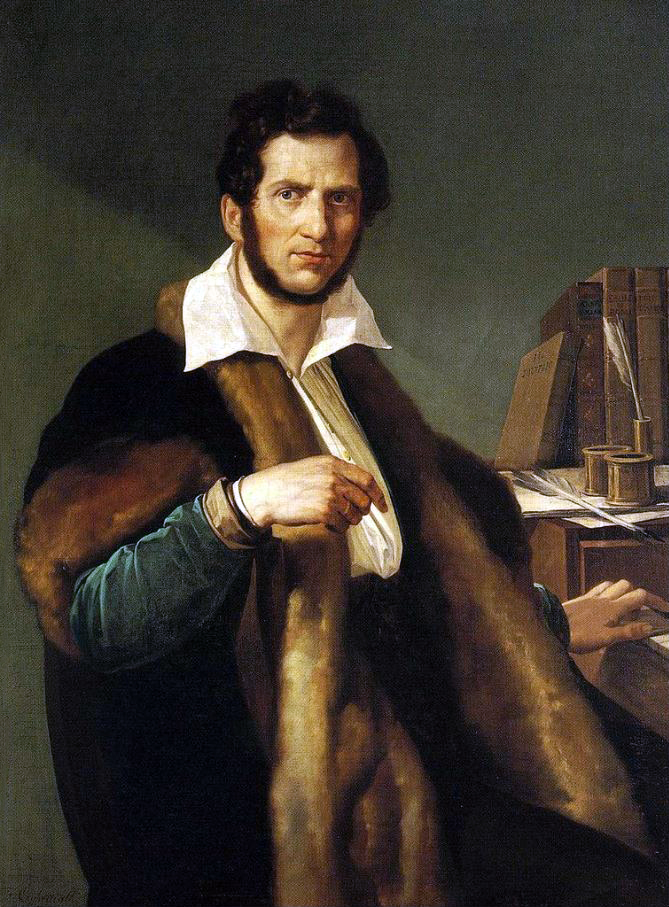
Gaetano Donizetti (1797 - 8 aprile 1848): Sonata in fa maggiore per pianoforte «a quattro sanfe». Franco Calabretto e Eddi de Nadai.
Larghetto – Allegro brillante [0:44]
 Emil Frey (8 aprile 1889 - 1946): Passacaglia, dalla Sesta Suite op. 66 (c1933). Luisa Splett, pianoforte.
Igor’ Stravinskij (1882 - 6 aprile 1971): Capriccio per pianoforte e orchestra (1929). Carlos Roque Alsina, pianoforte; Orchestre Philharmonique de France, dir. Ernest Bour.

 Claude Delvincourt (1888 - 5 aprile 1954): Danceries, 5 pezzi per violino e pianoforte (1930). Eliot Lawson, violino; Diane Andersen, pianoforte.
Semën’ Alekseevič Barmotin (1877 - 5 aprile 1939): 20 Preludi per pianoforte op. 12 (prima del 1910). Christopher Williams.

Alfonso Rendano (5 aprile 1853 - 1931): Variazioni sopra un tema calabrese per pianoforte (c1883). Daniela Roma.
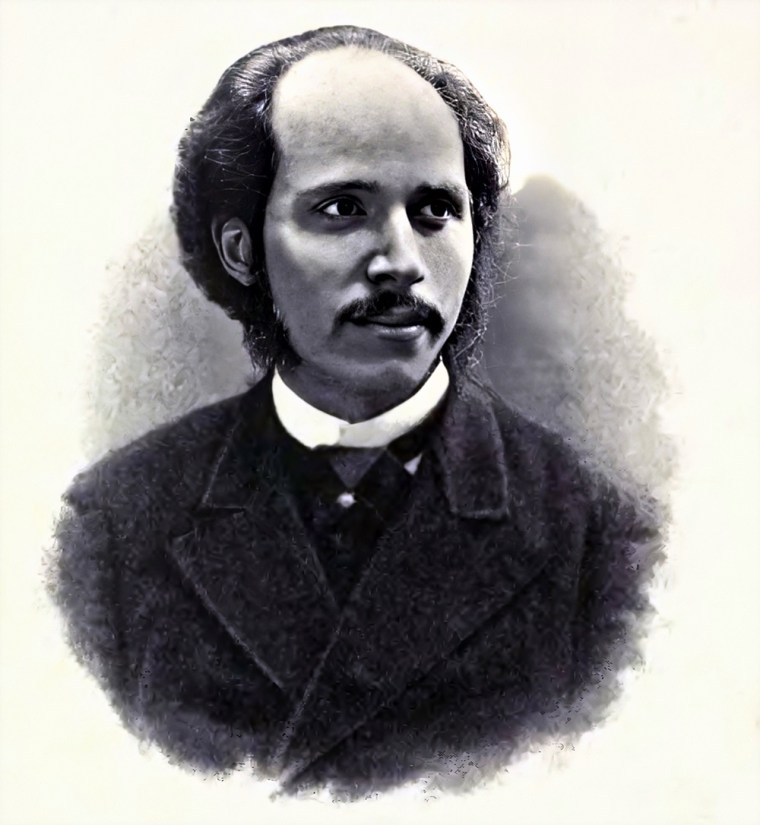
Gabriel Grovlez (4 aprile 1879 - 1944): L’Almanach aux Images, suite per pianoforte (1911). Chris Breemer.

Stefan Wolpe (1902 - 4 aprile 1972): Battle Piece per pianoforte (1942-47). Marc-André Hamelin.

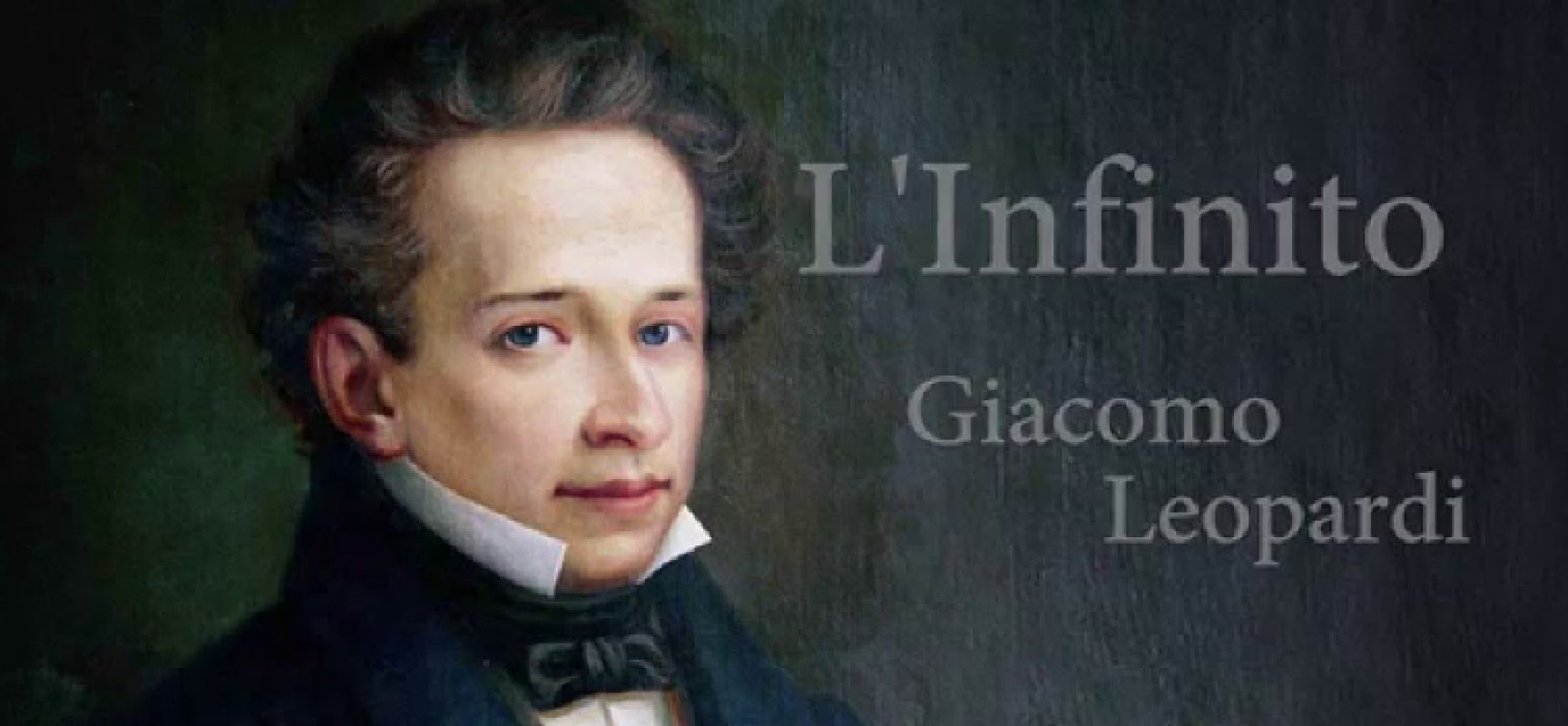
Sempre caro mi fu quest’ermo colle,
E questa siepe, che da tanta parte
Dell’ultimo orizzonte il guardo esclude.
Ma sedendo e mirando, interminati
Spazi di là da quella, e sovrumani
Silenzi, e profondissima quiete
Io nel pensier mi fingo; ove per poco
Il cor non si spaura. E come il vento
Odo stormir tra queste piante, io quello
Infinito silenzio a questa voce
Vo comparando: e mi sovvien l’eterno,
E le morte stagioni, e la presente
E viva, e il suon di lei. Così tra questa
Immensità s’annega il pensier mio:
E il naufragar m’è dolce in questo mare.
Gaetano Braga (1829 - 1907): L’infinito per voce, violoncello e pianoforte. Amor Lilia Perez, mezzosoprano; Galileo Di Ilio, violoncello; Giuseppe Sabatini, pianoforte.
Mario Castelnuovo-Tedesco (3 aprile 1895 - 1968): L’infinito per voce e pianoforte op. 22 (1921). Leonardo De Lisi, tenore; Anna Toccafondi, pianoforte.
Zez Confrey (3 aprile 1895 - 1971): Kitten on the Keys, shimmy per pianoforte (1921). Cory Hall.
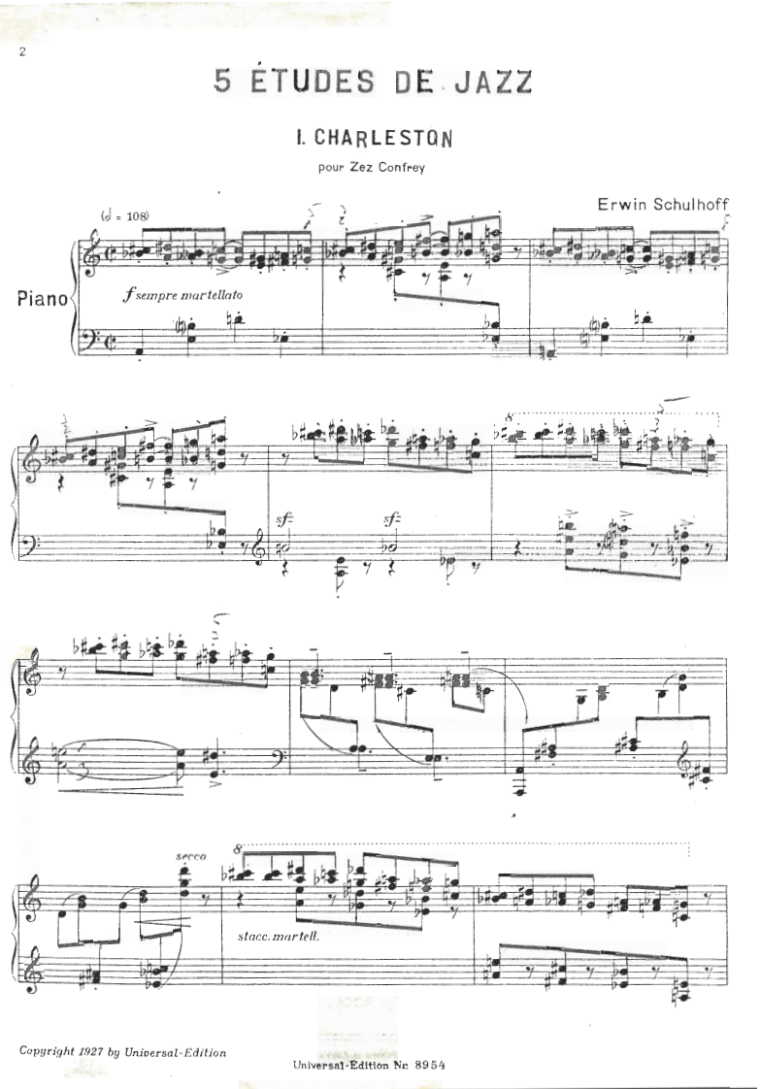
Erwin Schulhoff (1894 - 1942): 5 Études de jazz per pianoforte (1926). Markus Schlemmer.
Václav Jan Křtitel Tomášek (1774 - 3 aprile 1850): Églogue in fa maggiore per pianoforte op. 35 n. 2 (1806). Rudolf Firkušný.

Václav Jan Křtitel Tomášek (1774 – 3 aprile 1850): Concerto n. 1 in do maggiore per pianoforte e orchestra op. 18 (1805). Jan Simon, pianoforte; Orchestra sinfonica di Praga, dir. Vladimir Válek.

 Adolf Wiklund (1879 - 2 aprile 1950): Concerto per pianoforte e orchestra n. 1 in mi minore op. 10 (1907). Ingemar Edgren, pianoforte; Göteborgs Symfoniorkester, dir. Jorma Panula.
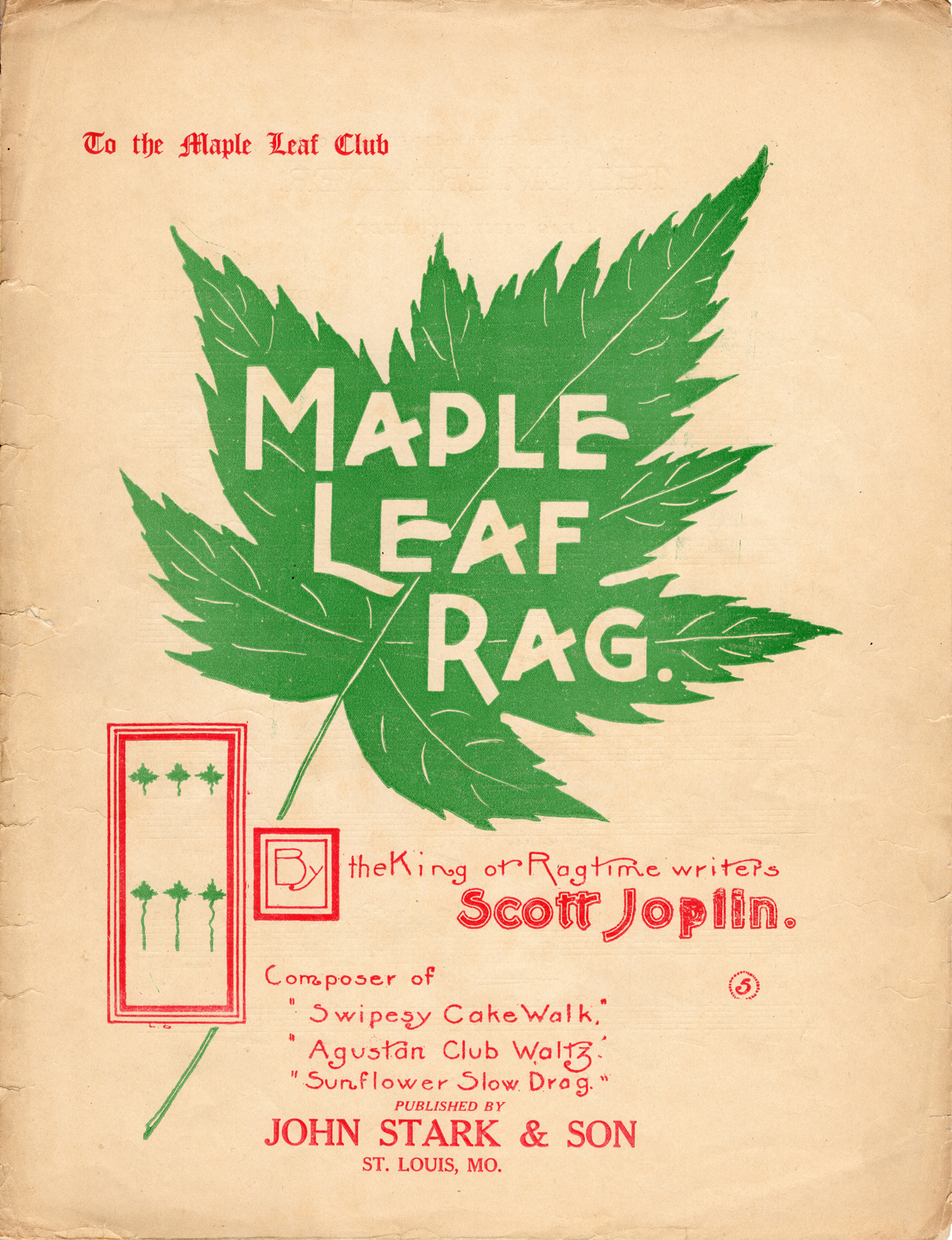
Alcuni rags di Scott Joplin (c1868 - 1º aprile 1917), scelti fra i più belli da lui composti, nelle impareggiabili interpretazioni di Joshua Rifkin.
Maple Lef Rag (1899). Esemplare.
The Entertainer (1902). Rococò.

Gladiolus Rag (1907). Sontuoso.
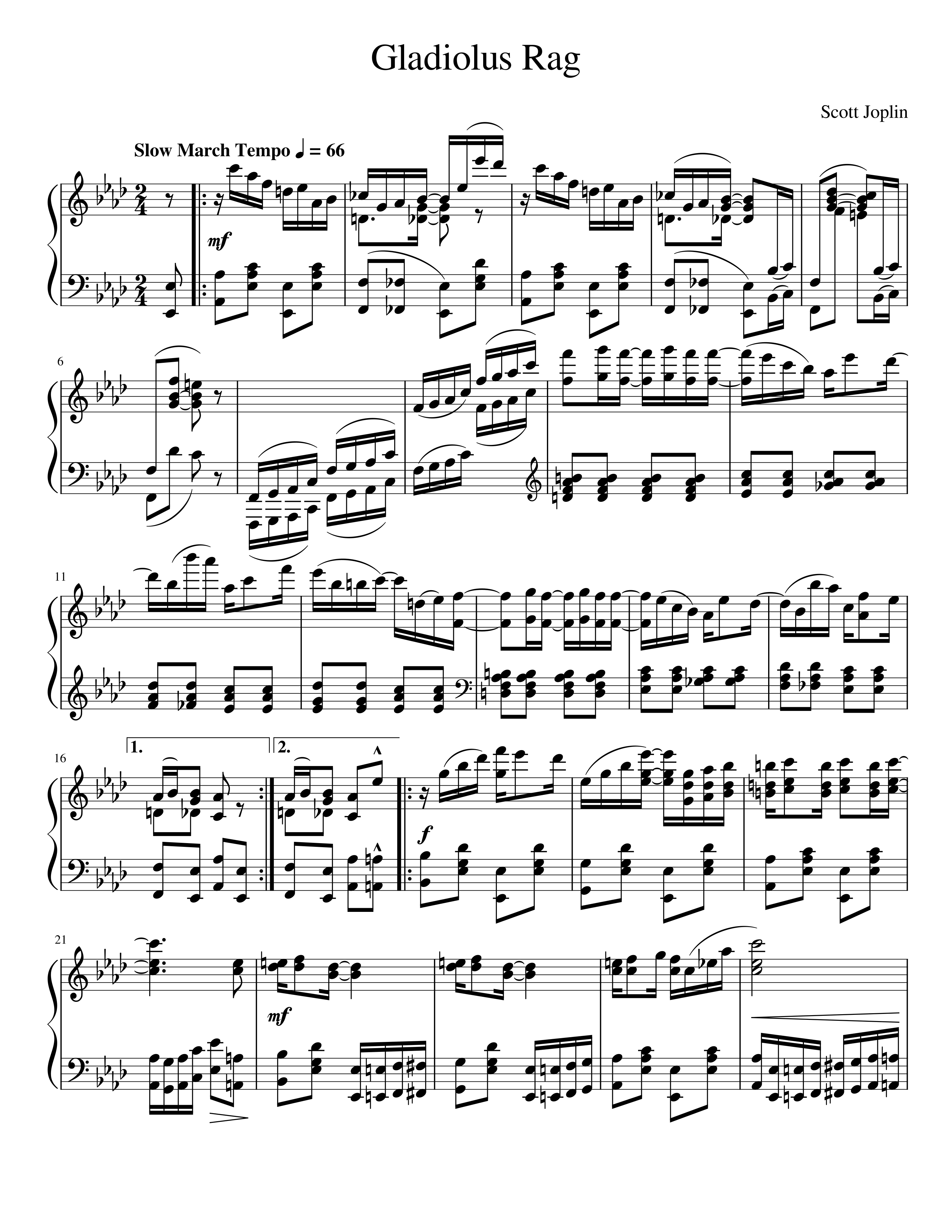
Pine Apple Rag (1908). Frizzante.

Solace – A Mexican Serenade (1909). Dolce e misterioso.
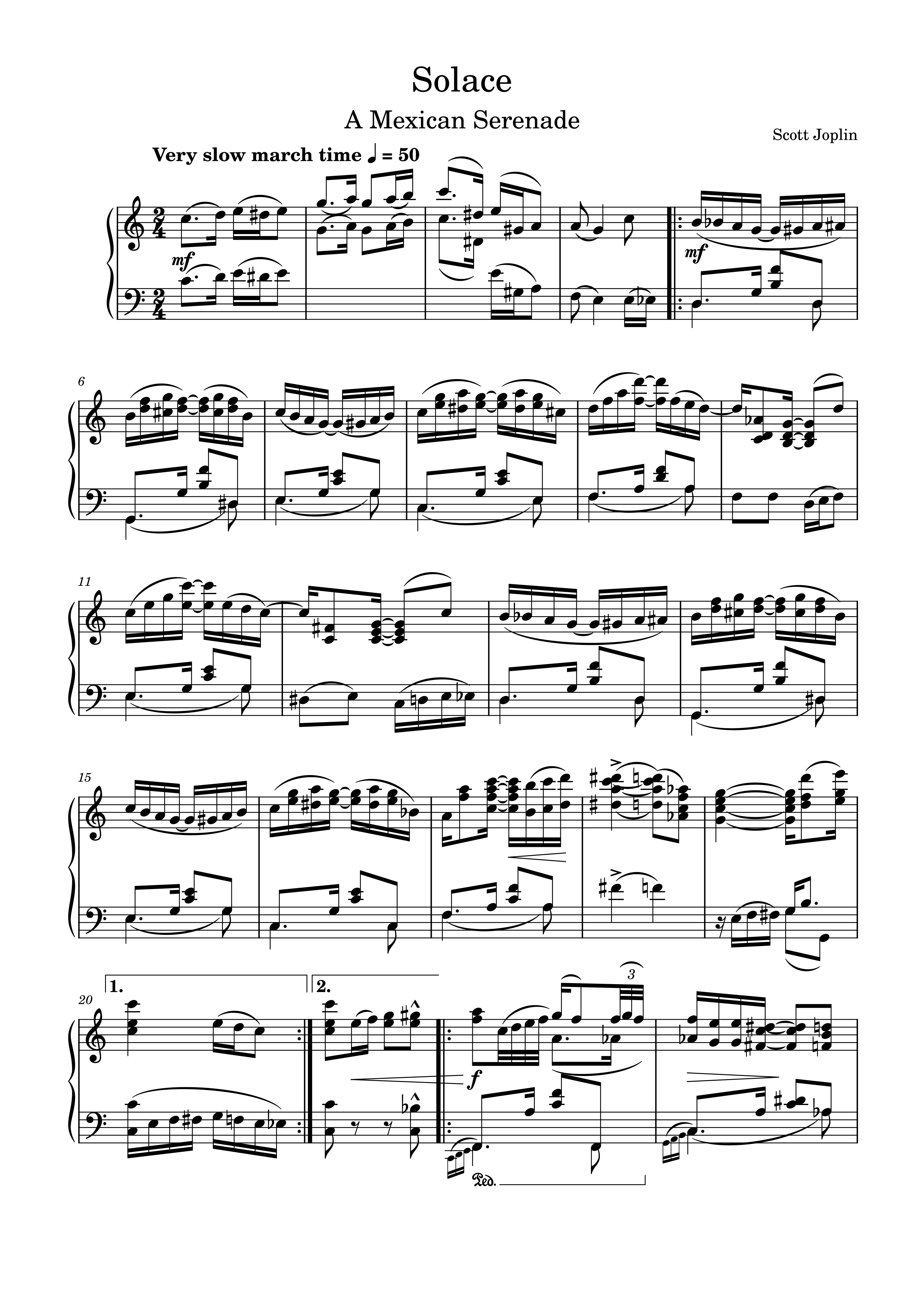
Magnetic Rag (1914). Perfetto.
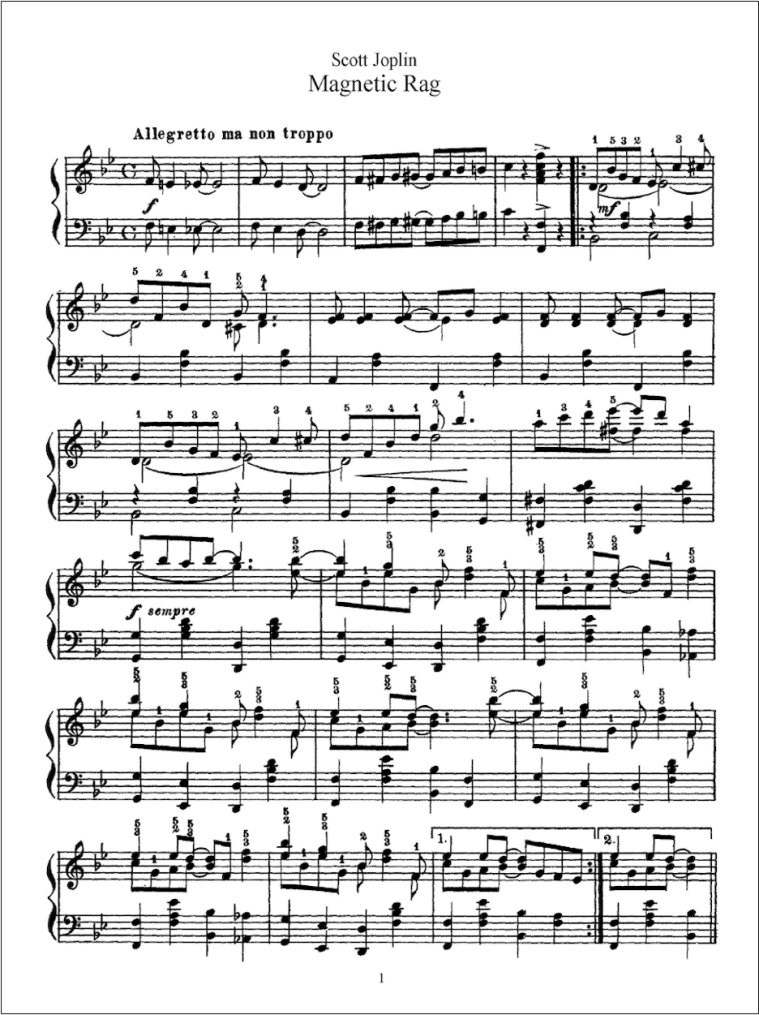
Rifkin è da annoverarsi fra i pochissimi interpreti che rispettano le indicazioni di Joplin, sulle cui partiture compare regolarmente questa avvertenza:
Notice! Don’t play this piece fast.
It is never right to play rag time fast.
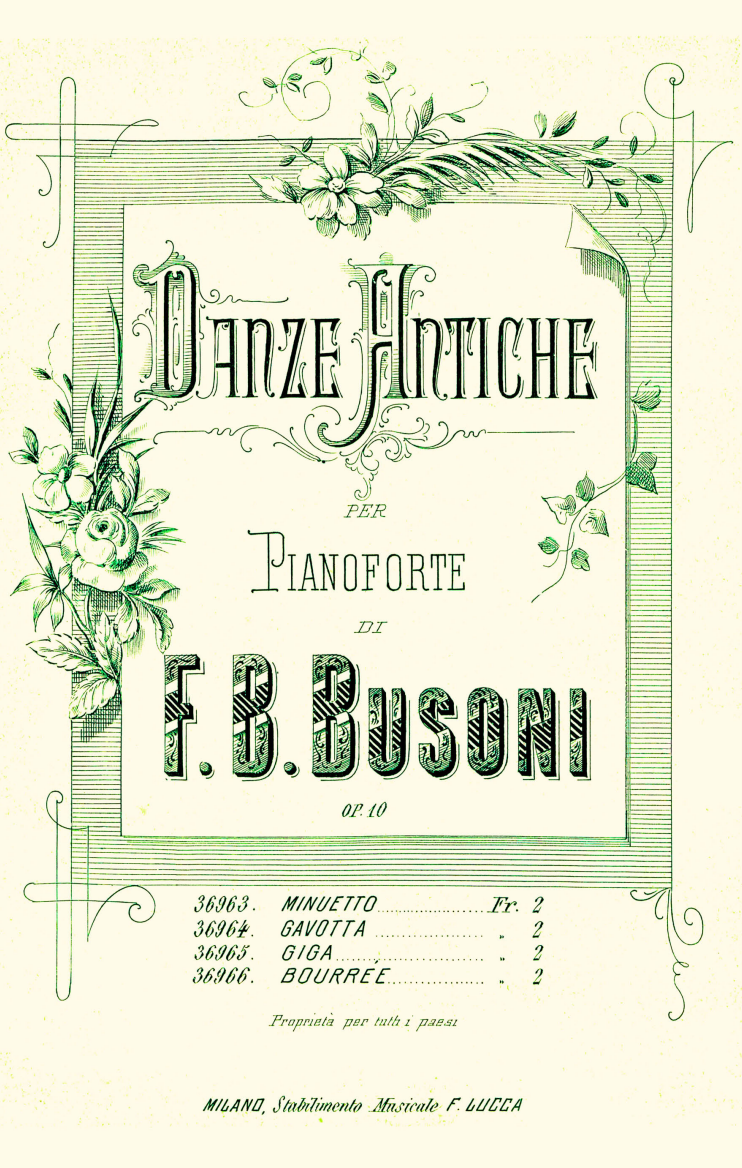
Ferruccio Busoni (1° aprile 1866 - 1924): Danze antiche per pianoforte op. 11 (10), BV 126 (1879). Wolf Harden.
Hai un account WordPress.com? Accedi ora.

