
Raffaella Aleotti (c1570 - p1640): Miserere mei, Deus, mottetto a 5 voci. Capella Artemisia, dir. Candace Smith.
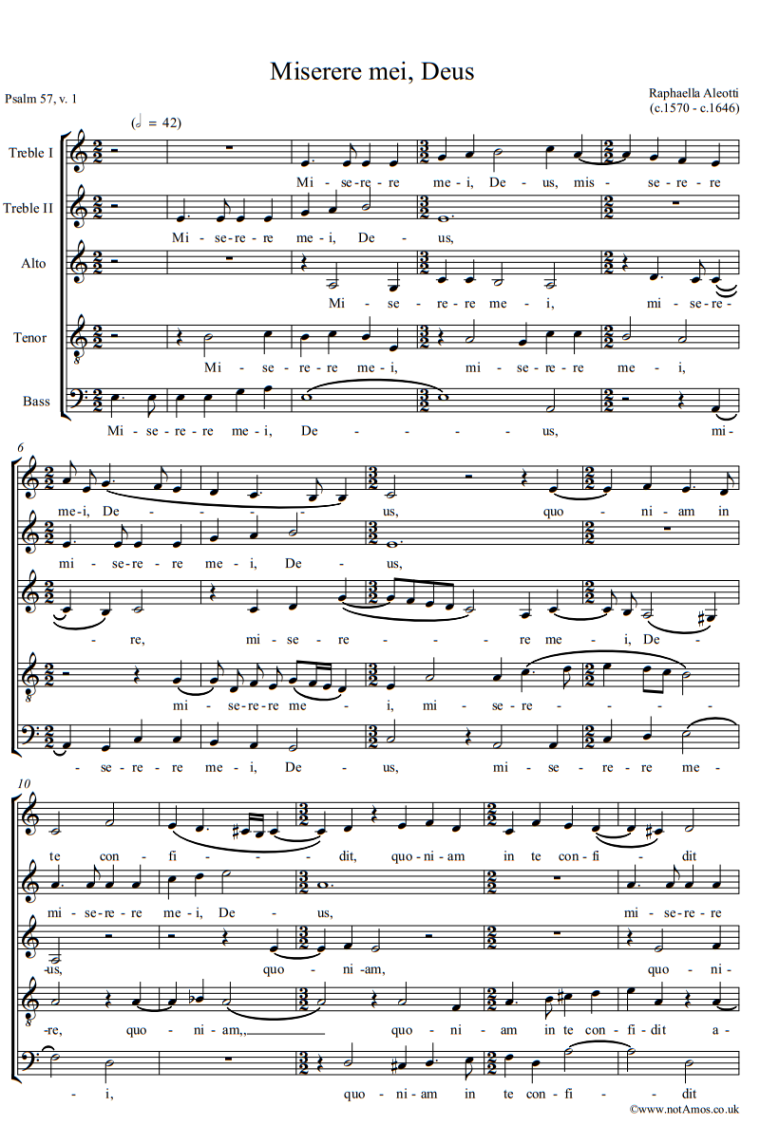
Raffaella Aleotti (c1570 - p1640): Miserere mei, Deus, mottetto a 5 voci. Capella Artemisia, dir. Candace Smith.
 Georg Schumann (1866 - 23 maggio 1952): Sinfonia in si minore (1887). Münchner Rundfunkorchester, dir. Christoph Gedschold.
Anonimo: J’ai vu le loup, le renard, le lièvre, chanson tradizionale francese (versione borgognona). Le Poème Harmonique, dir. Vincent Dumestre.
Le origini di questa chanson, una parodia del Dies irae, risalgono probabilmente al Quattrocento.
C’est dans neuf ans je m’en irai,
J’ai vu le loup, le renard cheuler.
C’est dans neuf ans je m’en irai,
J’ai vu le loup, le renard cheuler.
J’ai vu le loup, le renard, le lièvre,
J’ai vu le loup, le renard cheuler,
C’est moi-même qui les ai rebeuillés,
J’ai vu le loup, le renard, le lièvre,
C’est moi-même qui les ai rebeuillés,
J’ai vu le loup, le renard cheuler.
C’est dans huit ans je m’en irai,
J’ai vu le loup, le renard cheuler.
C’est dans huit ans je m’en irai,
J’ai vu le loup, le renard cheuler.
J’ai vu le loup, le renard, le lièvre,
J’ai vu le loup, le renard cheuler,
C’est moi-même qui les ai rebeuillés,
J’ai vu le loup, le renard, le lièvre,
C’est moi-même qui les ai rebeuillés,
J’ai vu le loup, le renard cheuler.
C’est dans sept ans je m’en irai,
J’ai vu le loup, le renard cheuler,
C’est dans sept ans je m’en irai,
J’ai vu le loup, le renard cheuler.
J’ai vu le loup, le renard, le lièvre,
J’ai vu le loup, le renard cheuler,
C’est moi-même qui les ai rebeuillés,
J’ai vu le loup, le renard, le lièvre,
C’est moi-même qui les ai rebeuillés,
J’ai vu le loup, le renard cheuler.
C’est dans six ans je m’en irai,
J’ai ouï le loup, le renard chanter.
C’est dans six ans je m’en irai,
J’ai ouï le loup, le renard chanter.
J’ai ouï le loup, le renard, le lièvre,
J’ai ouï le loup, le renard chanter,
C’est moi-même qui les ai rechignés,
J’ai ouï le loup, le renard, le lièvre,
C’est moi-même qui les ai rechignés,
J’ai ouï le loup, le renard chanter.
C’est dans cinq ans je m’en irai,
J’ai ouï le loup, le renard chanter.
C’est dans cinq ans je m’en irai,
J’ai ouï le loup, le renard chanter.
J’ai ouï le loup, le renard, le lièvre,
J’ai ouï le loup, le renard chanter,
C’est moi-même qui les ai rechignés,
J’ai ouï le loup, le renard, le lièvre,
C’est moi-même qui les ai rechignés,
J’ai ouï le loup, le renard chanter.
C’est dans quatre ans je m’en irai,
J’ai ouï le loup, le renard chanter.
C’est dans quatre ans je m’en irai,
J’ai ouï le loup, le renard chanter.
J’ai ouï le loup, le renard, le lièvre,
J’ai ouï le loup, le renard chanter,
C’est moi-même qui les ai rechignés,
J’ai ouï le loup, le renard, le lièvre,
C’est moi-même qui les ai rechignés,
J’ai ouï le loup, le renard chanter.
C’est dans trois ans je m’en irai,
J’ai vu le loup, le renard danser.
C’est dans trois ans je m’en irai,
J’ai vu le loup, le renard danser.
J’ai vu le loup, le renard, le lièvre,
J’ai vu le loup, le renard danser,
C’est moi-même qui les ai revirés,
J’ai vu le loup, le renard, le lièvre,
C’est moi-même qui les ai revirés,
J’ai vu le loup, le renard danser.
C’est dans deux ans je m’en irai,
J’ai vu le loup, le renard danser.
C’est dans deux ans je m’en irai,
J’ai vu le loup, le renard danser.
J’ai vu le loup, le renard, le lièvre,
J’ai vu le loup, le renard danser,
C’est moi-même qui les ai revirés,
J’ai vu le loup, le renard, le lièvre,
C’est moi-même qui les ai revirés,
J’ai vu le loup, le renard danser.
C’est dans un an je m’en irai,
J’ai vu le loup, le renard danser.
C’est dans un an je m’en irai,
J’ai vu le loup, le renard danser.
J’ai vu le loup, le renard, le lièvre,
J’ai vu le loup, le renard danser,
C’est moi-même qui les ai revirés,
J’ai vu le loup, le renard, le lièvre,
C’est moi-même qui les ai revirés,
J’ai vu le loup, le renard danser.
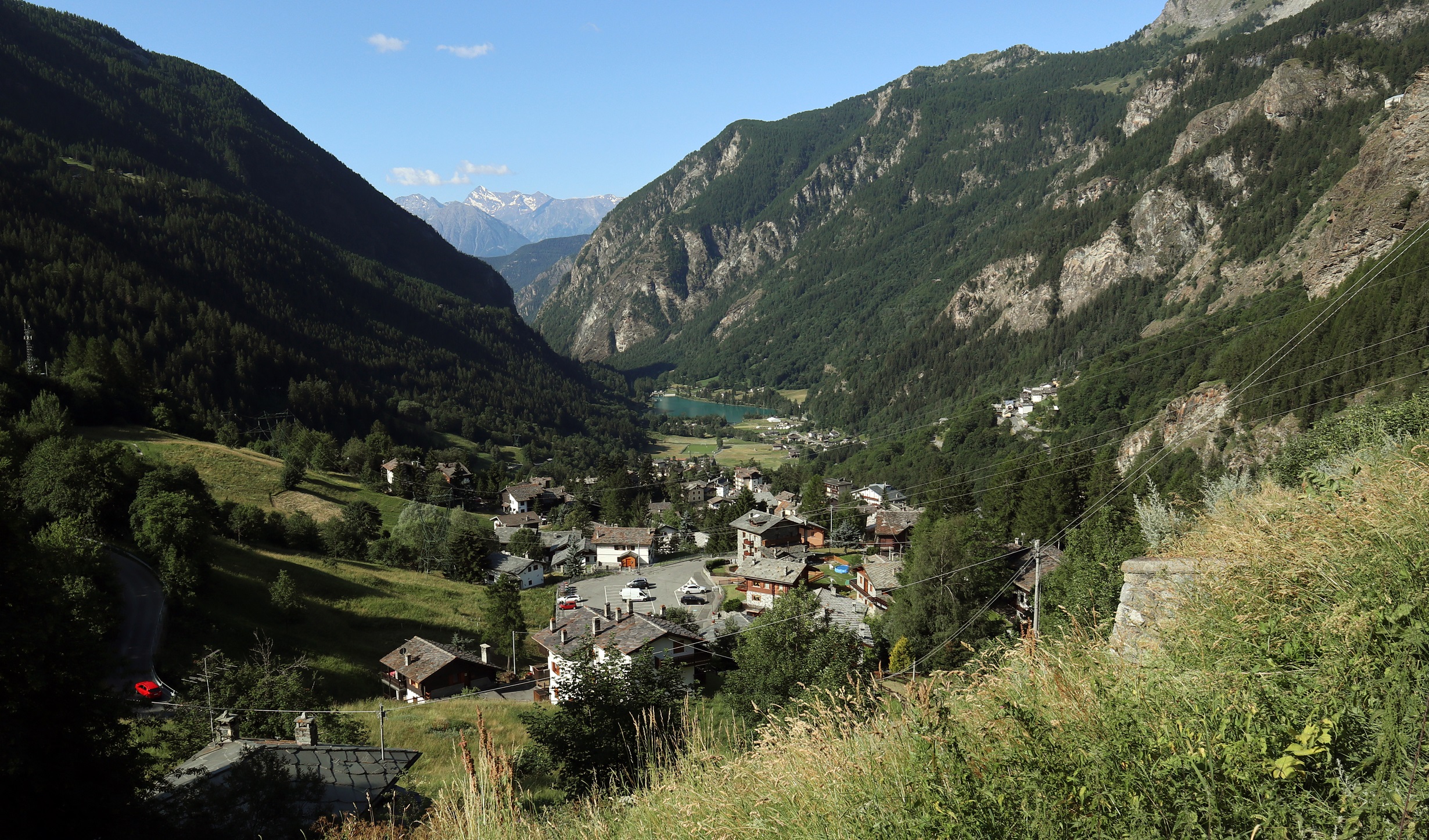
Una notte di cinque anni fa, mentre salivamo il sentiero che passa vicino a casa per l’ultima passeggiata prima di andare a nanna, Puck e io vedemmo il lupo. Era un grosso lupo nero che viveva da solo nei boschi là intorno; l’avevamo già incontrato in altre occasioni negli anni precedenti, ma mai eravamo stati così vicini. Poco prima della sua comparsa Puck si era irrigidito fiutando l’aria e fissando un punto dove il sentiero passa fra vecchie case disabitate: da lì pochi istanti dopo arrivò di gran carriera il lupo. Puck fu molto coraggioso: prima che io potessi fare un gesto qualsiasi l’aveva già messo in fuga. Per fortuna, nessuno si è fatto male.
Richard Wagner (22 maggio 1813 - 1883): Klavierstück in mi maggiore WWV 64, detto Albumblatt für Ernst Benedikt Kietz, Lied ohne Worte (1840). Sarah Stamboltsjan, pianoforte.

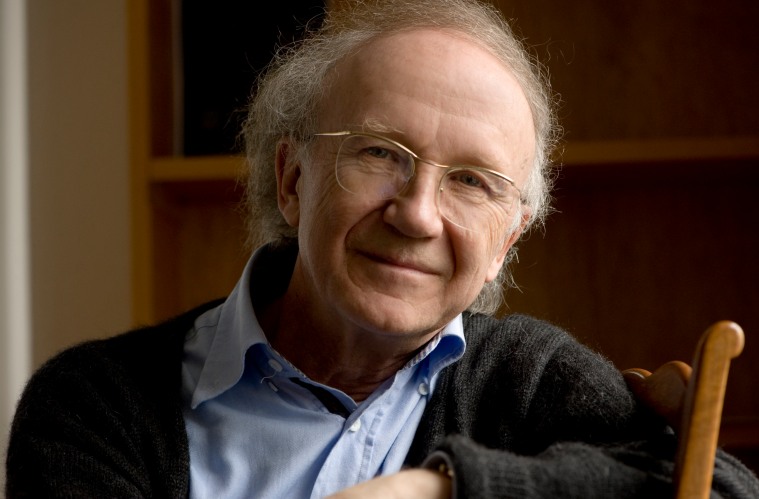
Heinz Holliger (21 maggio 1939): (S)irató, monodia per grande orchestra, in memoriam Sándor Veress (1992-93). Sinfonieorchester Basel diretta dall’autore. Qui alcune informazioni relative a questa composizione, cui nel 1994 fu assegnato il Prix de composition de la Fondation Prince Pierre de Monaco.
Mitja Nikisch (21 maggio 1899 - 1936): Concerto per pianoforte e orchestra (1936). Howard Shelley, pianoforte; Symphonie-Orchester Graunke, dir. Kurt Graunke.

Paweł Mykietyn (20 maggio 1971): Quattro Preludi per pianoforte (1992). Anna Szałucka.

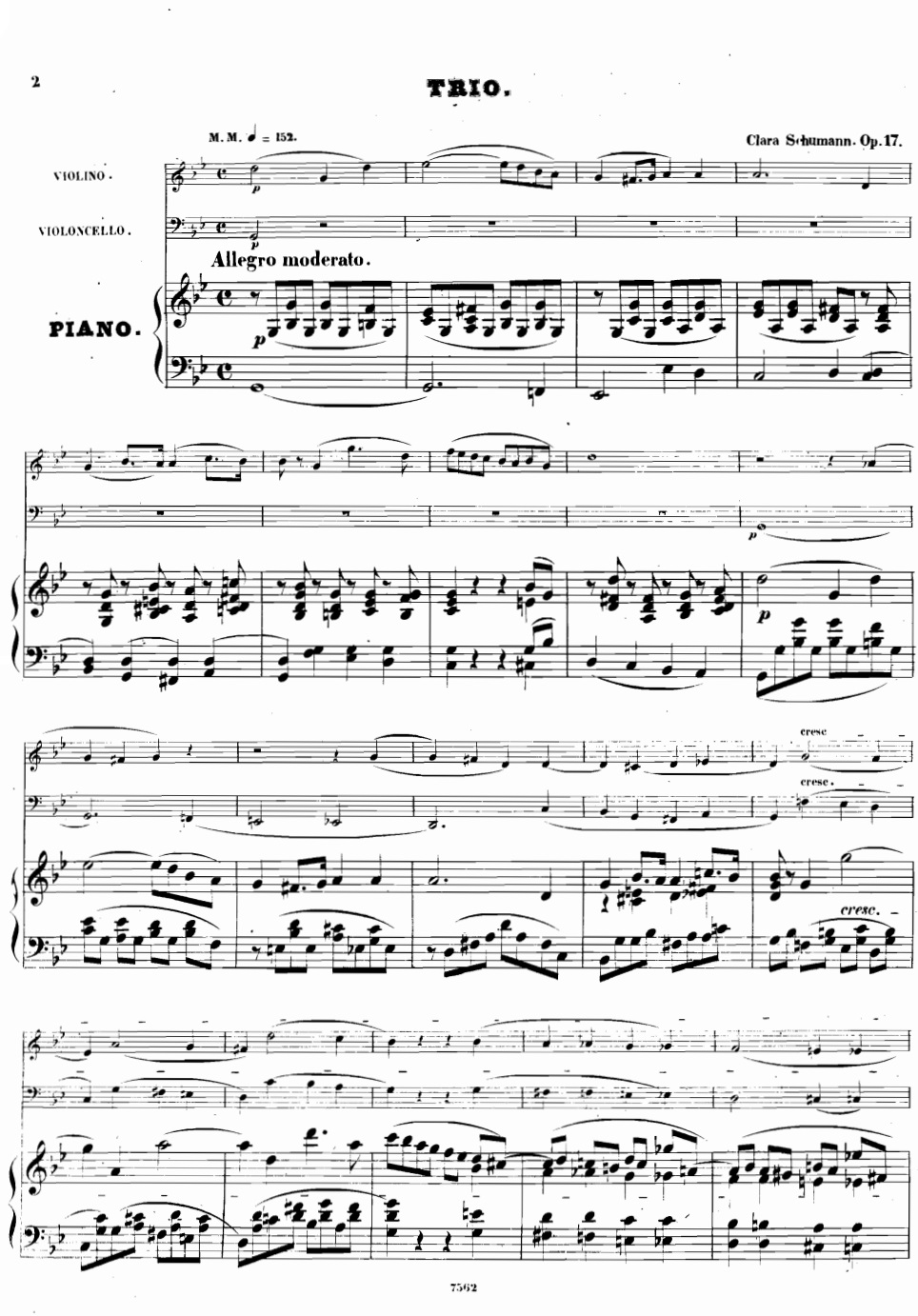
Clara Schumann (1819 - 20 maggio 1896): Trio in sol minore per violino, violoncello e pianoforte op. 17 (1846). ATOS Trio: Annette von Hehn, violino; Stefan Heinemeyer, violoncello; Thomas Hoppe, pianoforte.
Charles Ives (1874 - 19 maggio 1954): Sonata per pianoforte n. 2, Concord, Mass., 1840-60 (1904, 1911-15, 1919; rev. 1947). Aleksej Ljubimov, pianoforte; Laurent Verney, viola; Sophie Cherrier, flauto.

Alice Mary Smith (19 maggio 1839 - 1884): Sinfonia n. 1 in do minore (1863). London Mozart Players, dir. Howard Shelley.

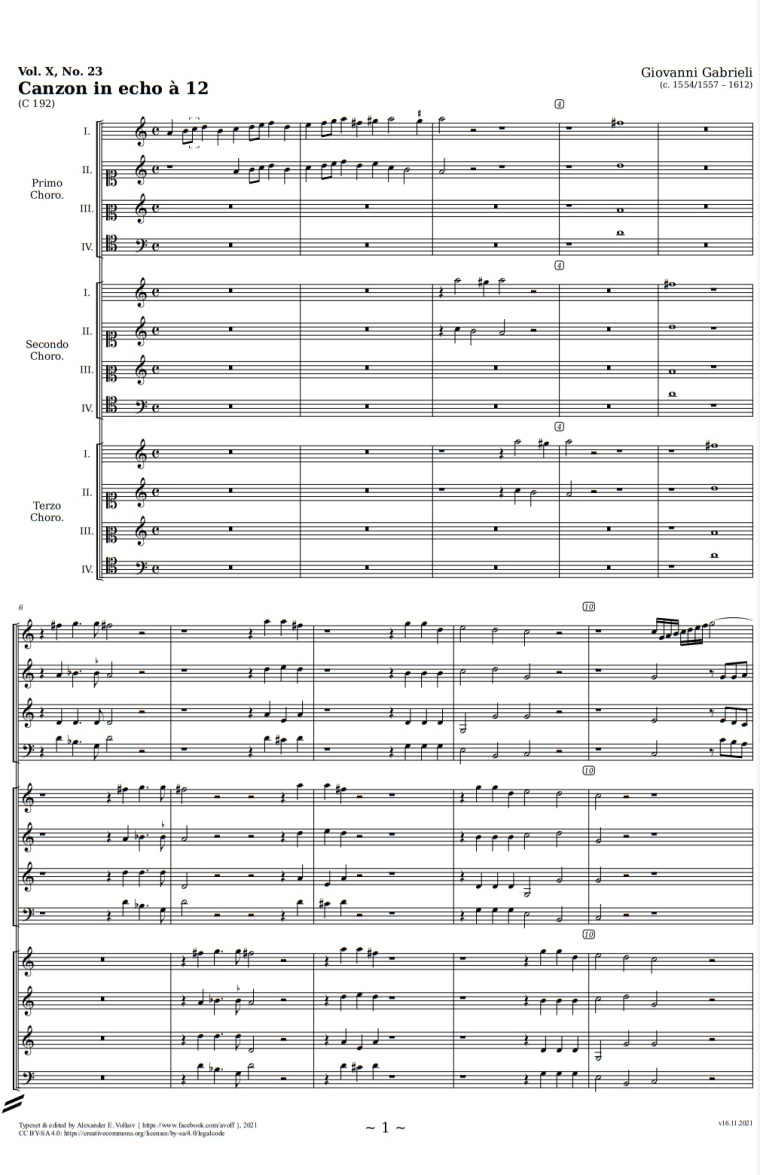
Giovanni Gabrieli (c1554/57 - 1612): Canzon in echo a 12 C 192. Musica Fiata Köln, dir. Roland Wilson.
Anonimo (XVII secolo): Woodycock, tratto dalla raccolta The English Dancing Master (1651, n. 15) di John Playford. Folger Consort.

Anonimo (XVII secolo): Divisions (variazioni) on Woodycock. Latitude 37 (Julia Fredersdorff, violino barocco; Laura Vaughan, viol; Donald Nicolson, clavicembalo) e Genevieve Lacey, flauto dolce.
Giles Farnaby (c1563 - 1640): Wooddy-Cock (variazioni), dal Fitzwilliam Virginal Book (n. [CXLI]). Zsuzsa Pertis, clavicembalo.

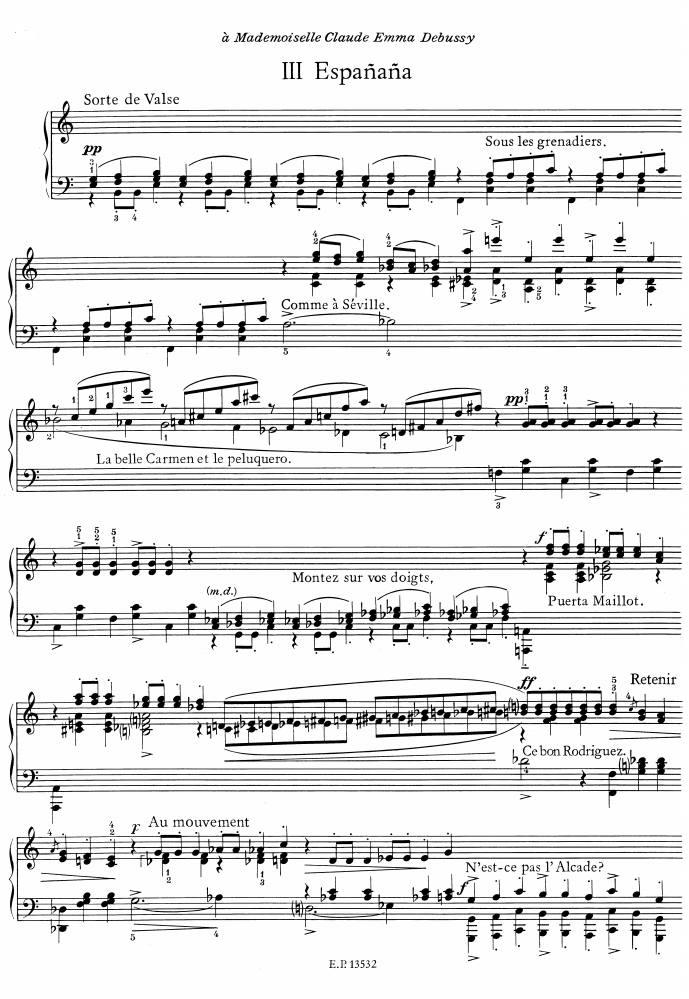
Érik Satie (17 maggio 1866 - 1925): Españaña, n. 3 dei Croquis et agaceries d’un gros bonhomme en bois per pianoforte (1913). Aldo Ciccolini.
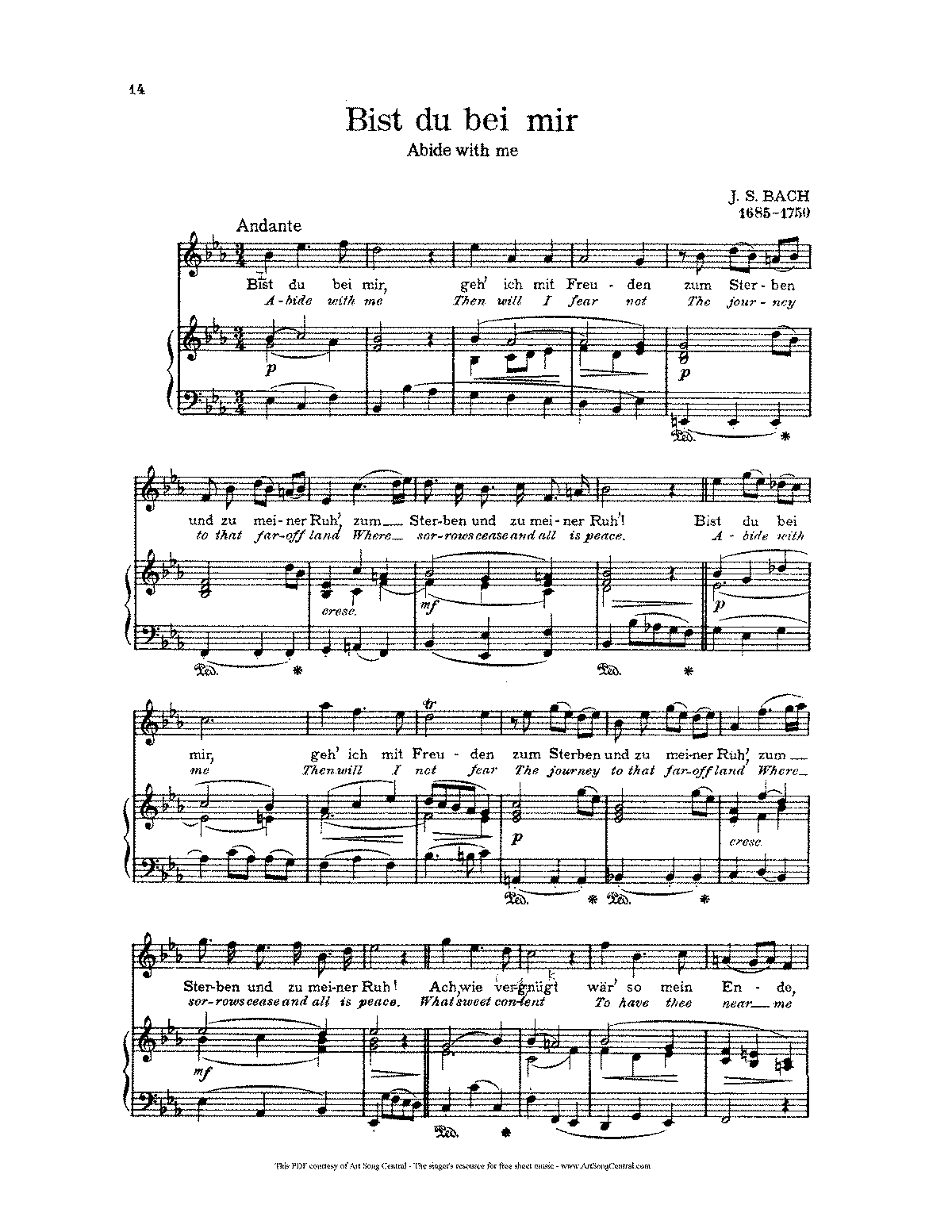
Gottfried Heinrich Stölzel (1690 - 1749): «Bist du bei mir», aria dall’opera Diomedes ovvero Die triumphierende Unschuld (1718). Duo Mignarda: Donna Stewart, voce, e Ron Andrico, liuto.
Johann Sebastian Bach inserì quest’aria, arrangiata per voce e basso continuo, nel Notenbüchlein für Anna Magdalena (1725); nel Bach-Werke-Verzeichnis (BWV) questo arrangiamento reca il numero 508.
Bist du bei mir, geh ich mit Freuden
zum Sterben und zu meiner Ruh.
Ach, wie vergnügt wär so mein Ende,
es drückten deine schönen Hände
mir die getreuen Augen zu.
Composizioni di Leone Sinigaglia (1868 - 16 maggio 1944), musicista e alpinista, vittima dell’Olocausto.
Regenlied per archi op. 35 n. 1 (1910). Orchestra Città di Ferrara, dir. Marco Zuccarini.
Due Pezzi per violoncello e orchestra op. 16 (1902). Fernando Caida Greco, violoncello; Orchestra Città di Ferrara, dir. Marco Zuccarini.

Hora mystica in la maggiore per quartetto d’archi (1894). Quartetto Tamborini: Bruno Raiteri e Antonio Sacco, violini; Fabrizio Montagner viola; Marco Pasquino violoncello.
La pastora e il lupo (da Diciotto vecchie canzoni popolari del Piemonte op. 40b). Coro da Camera di Torino, dir. Dario Tabbia.
La bërgera larga ij moton [bis]
al long de la riviera;
’l sol levà l’era tant caod,
la s’è seta a l’ombrëta.
J’è sortì ’l gran lüv dël bòsc
con la boca ambajeja,
l’ha pijà ’l pi bel barbin
ch’i era ’nt la tropeja.
La bërgera ’s bota a criar:
«Ahi mi, pòvra fijeta!
Se quaidon m’agioteis,
saria soa morosëta».
Da lì passa gentil galant,
con la soa bela speja
j’à dait tre colp al lüv,
barbin l’è saotà ’n tera.
«Mi v’ ringrassio, gentil galant,
mi v’ ringrassio ’d vòstra pena.
Quand ch’i tonda ’l me barbin
’v donerai la lena.»
«Mi son pa marcant de pann
e gnianca de la lena:
un basin dël vòst bochin
’m pagherà la pena.»
(La pastora fa pascolare le pecore lungo la riva; il sole alto è molto caldo, così si è seduta all’ombra.
Il gran lupo è uscito dal bosco con la bocca spalancata, ha preso il più bell’agnello del gregge.
La pastora si mette a gridare: «Ahimè, povera ragazza! Se qualcuno mi aiutasse sarei la sua amorosa.»
Da lì passa il gentil galante: con la sua bella spada dà tre colpi al lupo, l’agnello salta a terra.
«Vi ringrazio della vostra pena, gentil galante: quando toserò il mio agnello vi regalerò la lana.»
«Non sono mercante di stoffe e neppure di lana: un bacio della vostra bocca mi ripagherà della pena.»)
Sinigaglia amava molto la montagna. In gioventù si dedicò con passione all’alpinismo, segnalandosi in particolare per le sue arrampicate sulle Dolomiti: a lui si devono fra l’altro le prime ascensioni della Croda da Lago e del Monte Cristallo. Il 25 agosto 1990 era fortunosamente scampato alla morte sul Cervino in tempesta: fu tratto in salvo dalla sua guida, il leggendario Jean-Antoine Carrel di Valtournenche, che dopo aver portato Sinigaglia al sicuro morì di sfinimento; dell’impresa compiuta dal rude e coraggioso montanaro, e del suo sacrificio, il giovane musicista lasciò una toccante testimonianza.

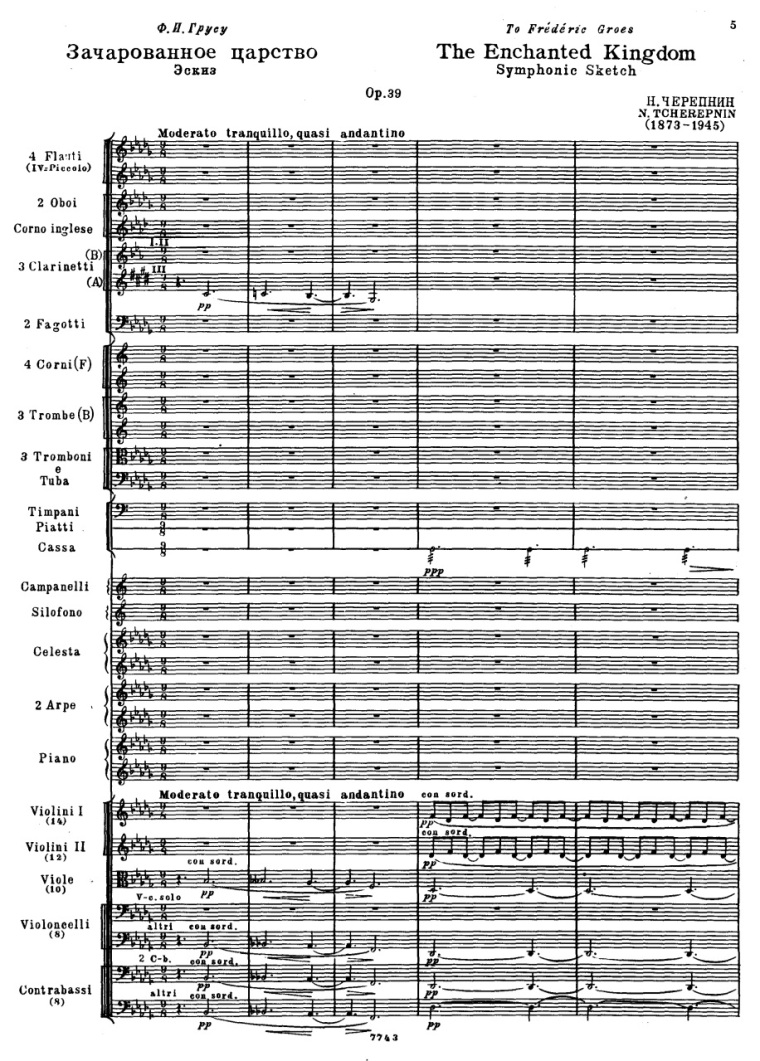
Nikolaj Nikolaevič Čerepnin (15 maggio 1873 - 1945): Il regno incantato (Зачарованное царство), schizzo sinfonico op. 39 (1904), ispirato dall’antica fiaba russa L’uccello di fuoco e il principe Ivan. Orchestra sinfonica accademica di San Pietroburgo, dir. Viktor Fedotov.
Stephen Heller (15 maggio 1813 - 1888): Introduction à l’art du phrasé, 25 studi melodici per pianoforte op. 45 (prima del 1844). Jan Vermeulen.
Nella prima edizione (Schlesinger, Berlino 1844) gli studi sono privi dei titoli descrittivi che furono poi aggiunti da altri editori essenzialmente per ragioni commerciali.
L’op. 45 di Stephen Heller è oggetto di uno studio assai accurato di Larissa Marie Kiefer, disponibile online in formato pdf: cliccare qui.

Arthur Lourié (14 maggio 1892 - 1966): 5 Préludes fragiles per pianoforte op. 1 (1908-10). Jenny Lin.
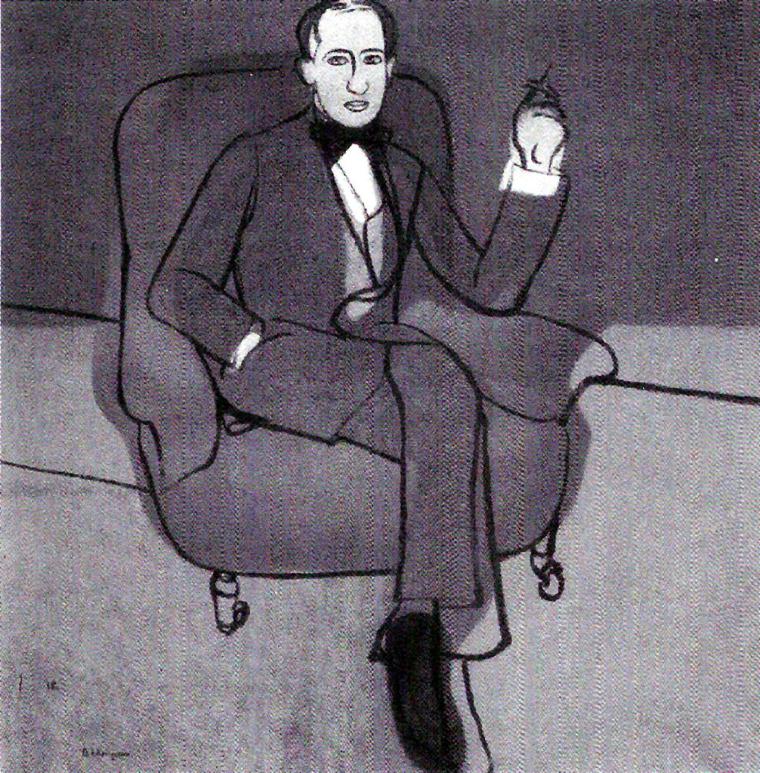
 Joly Braga Santos (14 maggio 1924 - 1988): Três Esboços sinfónicos op. 38 (1961). Royal Scottish National Orchestra, dir. Álvaro Cassuto.
Johannes Matthias Sperger (1750 - 13 maggio 1812): Sinfonia per archi in do maggiore (1782). Musica Aeterna Bratislava, dir. Peter Zajíček.

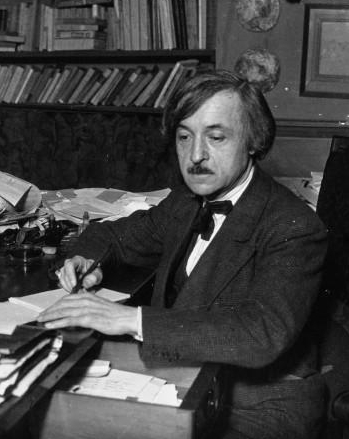 Raoul Laparra (13 maggio 1876 - 1943): Valse lente per pianoforte (1911). Gamma1734.
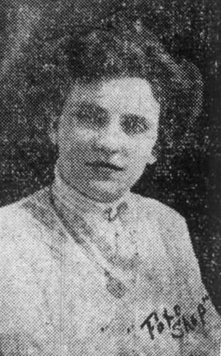 Irene M. Giblin (1888 - 12 maggio 1974): Chicken Chowder, characteristic two-step (1905).
Adolf von Henselt (12 maggio 1814 - 1889): Valse mélancolique per pianoforte op. 36 (c1854). Gamma1734.
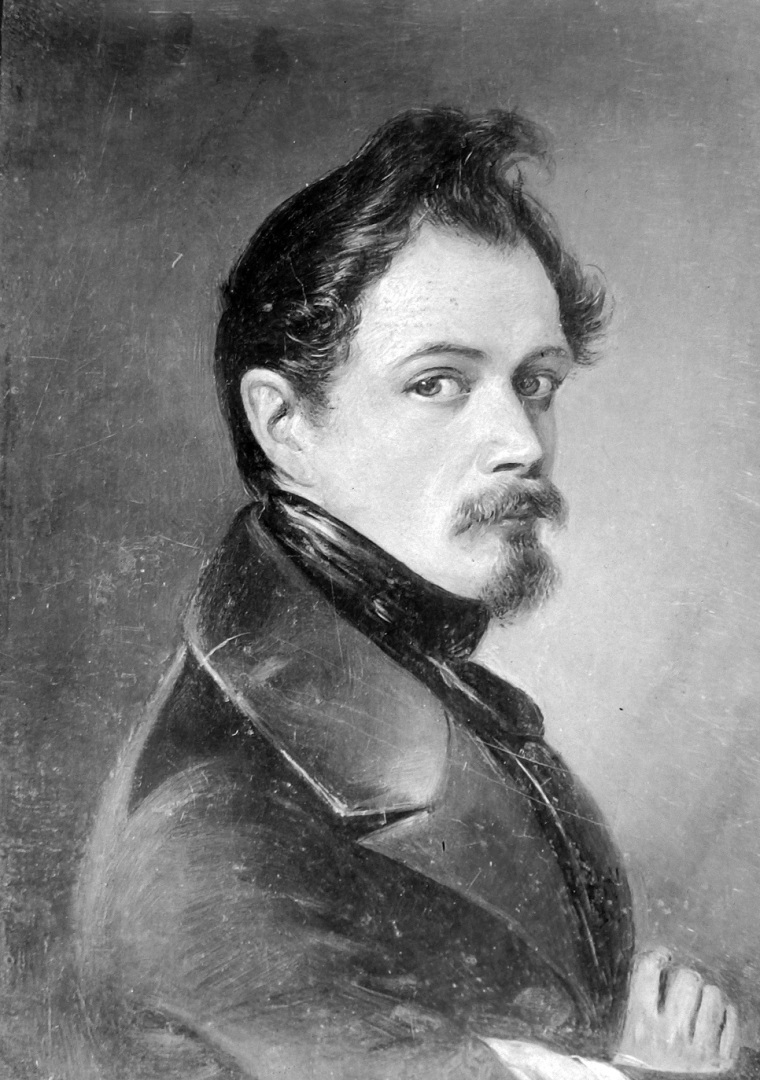


Ture Rangström (1884 - 11 maggio 1947): Havet sjunger (Il mare canta), poema sinfonico (1913). Sveriges Radios Symfoniorkester, dir. Niklas Willén.

Christoph Graupner (1683 - 10 maggio 1760): Ouverture (Suite) in sol maggiore GWV 466 (c1733). Das Kleine Konzert, dir. Hermann Max.

Max Steiner (10 maggio 1888 - 1971): Suite sinfonica dalla colonna sonora del film di Michael Curtiz Casablanca (1942). The John Wilson Orchestra.
Com’è noto, Mentre il tempo passa, cioè As Time Goes By, non è opera di Max Steiner: il brano era stato composto, testo e musica, diversi anni prima da Herman Hupfeld (1894 - 1951) per il musical Everybody’s Welcome, andato in scena a Broadway nel 1931. Qui è interpretato da Dooley Wilson, che è Sam nel film di Curtiz:

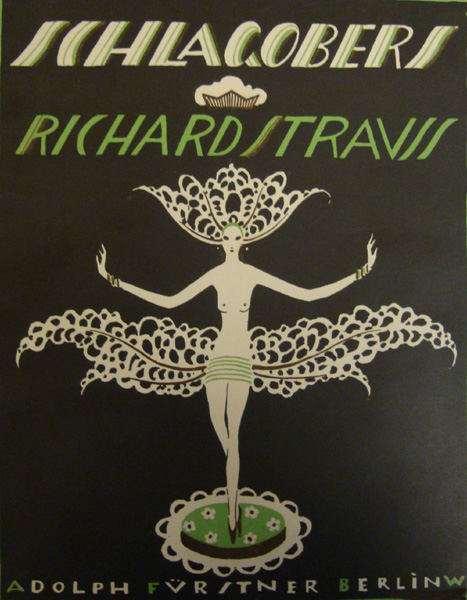
Richard Strauss (1864 - 1949): Walzer dal balletto Schlagobers op. 70 (composto negli anni 1921-22, rappresentato nel 1924). Staatskapelle Dresden, dir. Rudolf Kempe.
Schlagobers (Panna montata) fu rappresentato per la prima volta cent’anni fa, il 9 maggio 1924, all’Opera di Vienna. Se volete ascoltare la suite dal balletto e leggere uno stringato riassunto della trama cliccate qui.
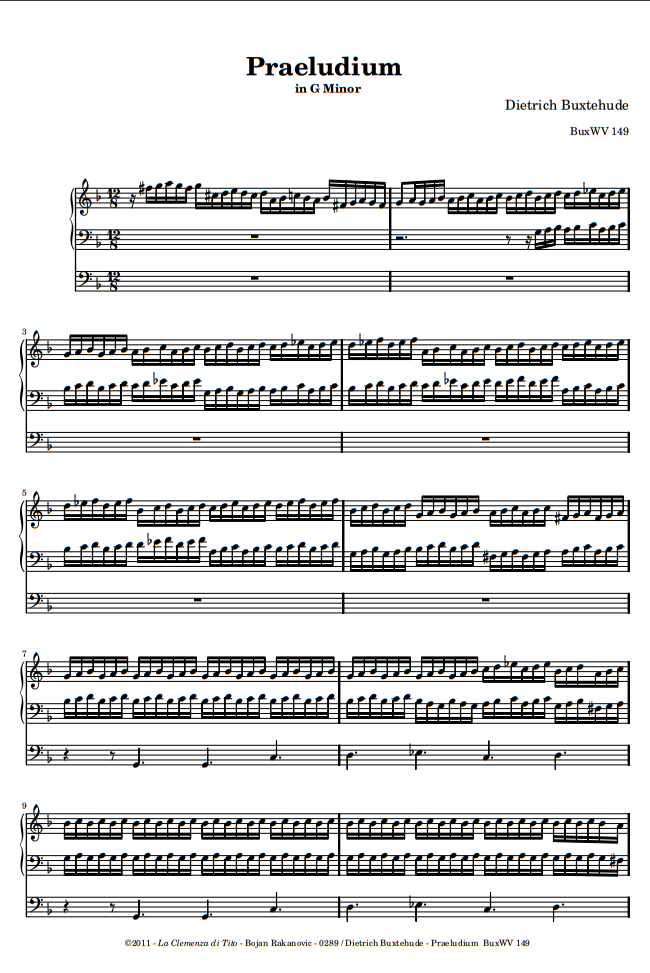
Dietrich Buxtehude (1637 - 9 maggio 1707): Praeludium in sol minore BuxVW 149. Ton Koopman all’organo Schnitger della Chiesa di Sankt Jacobi in Amburgo.
– Preludio
– Fuga I [1:05]
– Allegro [3:10]
– Largo (Fuga II) [3:56]
Adrian Willaert (1490 - 1562): O domine Iesu Christe, mottetto a 4 voci (pubblicato in Musica quatuor vocum Liber primus, 1539, n. 14). Ensemble vocal de Bruxelles.
O domine Iesu Christe,
adoro te in cruce pendentem
et coronam spineam
in capite portantem.
Deprecor te ut ipsa crux
liberet me ab angelo percutiente.
Secunda pars :
O domine Iesu Christe,
adoro te in cruce vulneratum,
felle et aceto potatum.
Deprecor te ut tua vulnera
sint remedium animae meae.
Amen.

Hai un account WordPress.com? Accedi ora.

