
 Roel van Oosten (14 giugno 1958): Concerto per arpa e orchestra (1999). Godelieve Schrama, arpa; Radio Kamerorkest, dir. Micha Hamel.
I movimento
II movimento [10:24]
III movimento [15:18]
Roel van Oosten (14 giugno 1958): Concerto per arpa e orchestra (1999). Godelieve Schrama, arpa; Radio Kamerorkest, dir. Micha Hamel.
I movimento
II movimento [10:24]
III movimento [15:18]
Sing all a green willow – I
Gioachino Rossini (1792 - 1868): «Assisa a pie’ d’un salice – Deh calma, o ciel, nel sonno», Canzone del salice e Preghiera dall’atto III di Otello, ossia Il moro di Venezia, dramma tragico in 3 atti su libretto di Francesco Berio di Salsa (1816). Montserrat Caballé, soprano (Desdemona); Corinna Vozza, mezzosoprano (Emilia); Orchestra della RCA Italiana, dir. Carlo Felice Cillario.
DESDEMONA:
Assisa a pie’ d’un salice,
immersa nel dolore,
gemea trafitta Isaura
dal più crudele amore:
l’aura tra i rami flebile
ne ripeteva il suon.
I ruscelletti limpidi
a’ caldi suoi sospiri,
il mormorio mesceano
de’ lor diversi giri:
l’aura fra i rami flebile
ne ripeteva il suon.
Salce, d’amor delizia!
Ombra pietosa appresta,
(di mie sciagure immemore)
all’urna mia funesta;
né più ripeta l’aura
de’ miei lamenti il suon.
Che dissi!… Ah m’ingannai!… Non è del canto
questo il lugubre fine. M’ascolta… Oh dio!
(un colpo di vento spezza alcuni vetri della finestra.)
EMILIA:
Non paventar; rimira:
impetuoso vento è quel che spira.
DESDEMONA:
Io credeva che alcuno… Oh come il cielo
s’unisce a’ miei lamenti!…
Ascolta il fin de’ dolorosi accenti.
Ma stanca alfin di spargere
mesti sospiri, e pianto,
morì l’afflitta vergine
ahi! di quel salce accanto.
Morì… che duol! l’ingrato…
Poté… ma il pianto oh Dio!
proseguir non mi fa. Parti, ricevi
da’ labbri dell’amica il bacio estremo.
EMILIA:
Oh che dici!… Ubbidisco… oh come io tremo!
DESDEMONA:
Deh calma, o ciel, nel sonno
per poco le mie pene,
fa, che l’amato bene
mi venga a consolar.
Se poi son vani i prieghi,
di mia breve urna in seno
venga di pianto almeno
il cenere a bagnar.
(ella cala la tendina e si getta sul letto.)
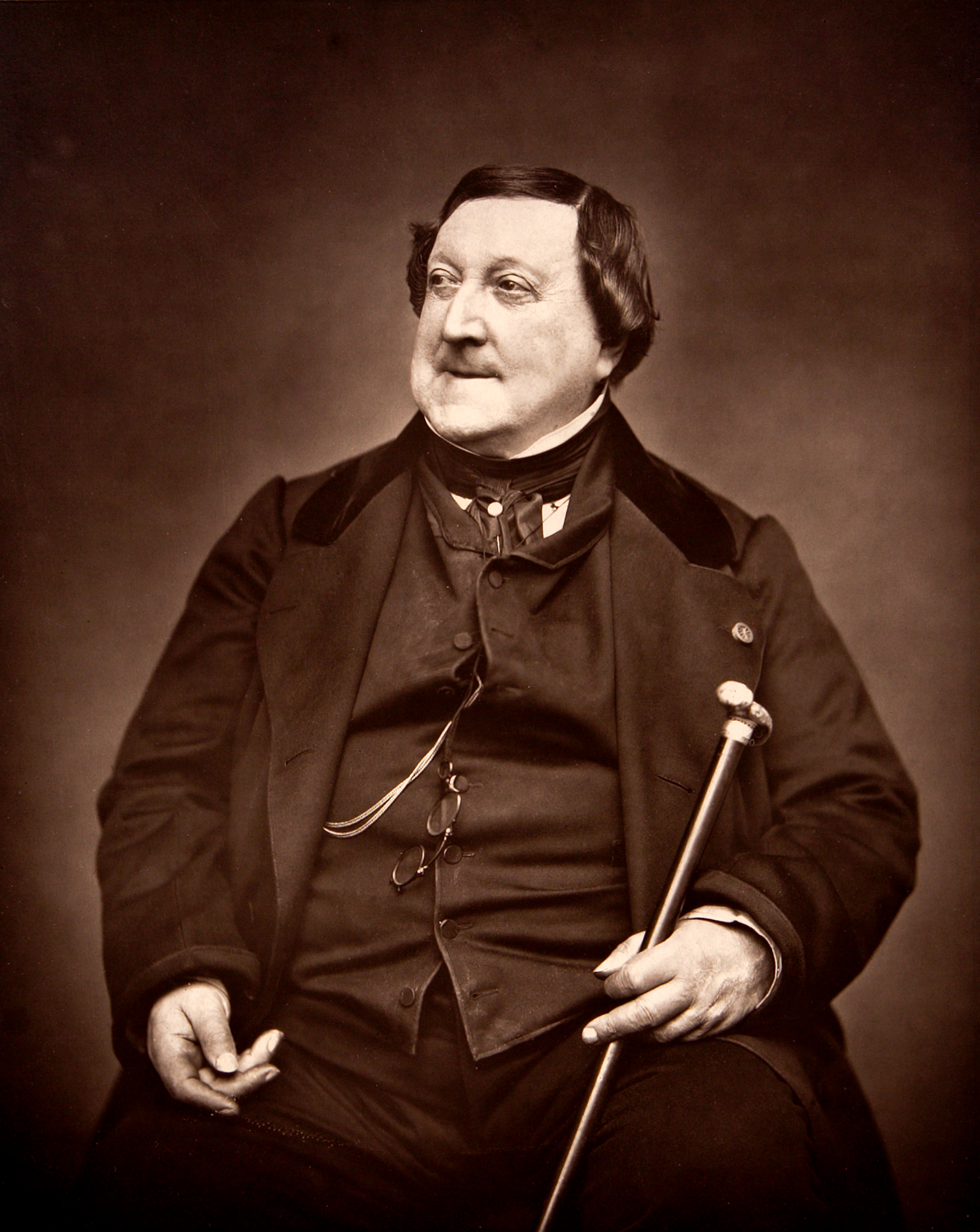
David Diamond (1915 - 13 giugno 2005): Rounds per archi (1944). The New York Classical Players, dir. Dongmin Kim.
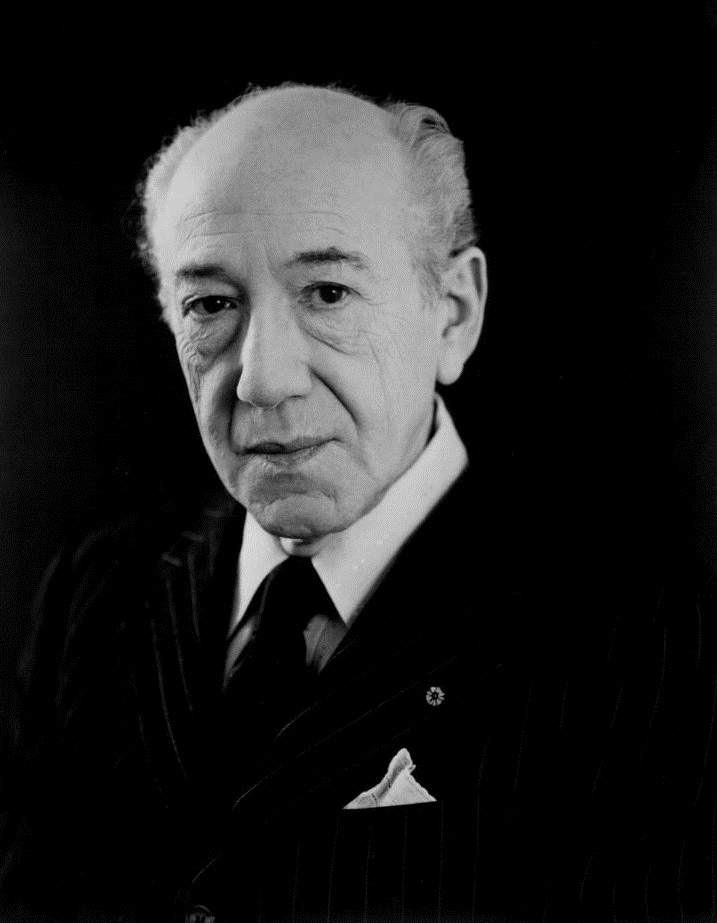
René Leibowitz (1913 - 1972): Greensleeves per arpa e archi. New Symphony Orchestra of London diretta dall’autore (registrazione del 1961).

Carson Cooman (12 giugno 1982): Conductus per organo portativo op. 1066 (2014); dedicato a Ernst Stolz. Esegue l’autore.
Il conductus è una delle forme caratteristiche della scuola polifonica cosiddetta «di Notre-Dame» (XII-XIII secolo).
Il portativo è un piccolo organo trasportabile, in uso fra il XII e la fine del XV secolo, dotato di un mantice, che l’esecutore aziona con la mano sinistra, di una tastiera con 9-12 (a volte 20 o più) tasti e di un numero limitato di canne, solitamente disposte su due file.

John Ireland (1879 - 12 giugno 1962): Decorations (1912-13). John Lenehan, pianoforte.

Richard Strauss (11 giugno 1864 - 1949): Suite dal balletto Schlagobers (1921-22). Orkiestra filharmonii narodowej w Warszawie (Orchestra filarmonica di Varsavia), dir. Jacek Kaspszyk.
Il balletto è ambientato a Vienna. Un gruppo di bambini dopo la cresima vengono accompagnati dalle rispettive madrine in una pasticceria del Prater, dove si abbuffano di ogni sorta di dolciumi: ne consegue inevitabile l’indigestione, sicché finiscono in ospedale. Durante la notte, i bambini sognano che tutti i dolcetti divorati il giorno prima prendono vita e danzano. La mattina successiva il medico constata la guarigione dei piccoli, che possono tornare ai loro giochi spensierati.
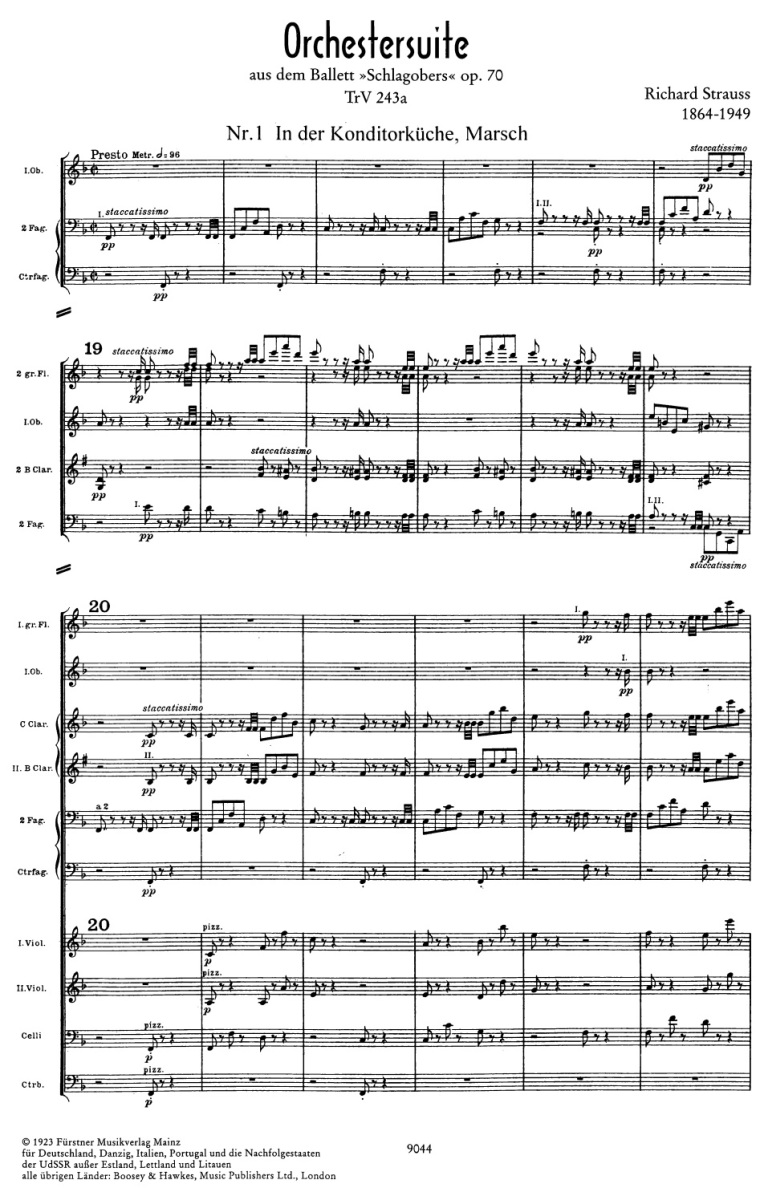
Giovanni Francesco Anerio (1569 - 11 giugno 1630): Torna la sera bruna, canzonetta spirituale (pubblicata nella raccolta Selva armonica dove si contengono motetti, madrigali, canzonette, dialogi, arie a una, doi, tre & quattro voci, 1617, n. 21) su testo di Agostino Manni. Concerto Romano, dir. Alessandro Quarta.
Torna la sera bruna
E in ciel luce la luna,
Che ’l mortal egro invita
Al sonno della vita.
Salva me, Signor forte,
Dal sonno della morte
E stammi sempre intorno,
Sinché ritorni il giorno.
Sia laude, gloria e canto
Al Padre, al Figlio e al santo
Spirto, che ’l ciel governa
Con legge sempiterna.

Tichon Chrennikov (10 giugno 1913 - 2007): Sonata per violoncello e pianoforte op. 34 (1989). Kyrill Rodin, violoncello; Anatolij Šeludjakov, pianoforte.
I movimento
II movimento [4:27]
III movimento [9:44]
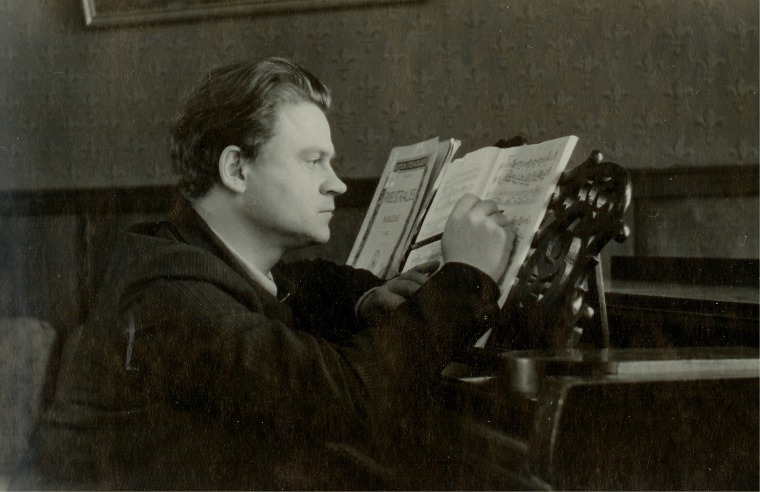
Johann Abraham Peter Schultz (1747 - 10 giugno 1800): Sonata in mi bemolle maggiore per pianoforte op. 2 (1778). Thοmаs Trοndhjеm.
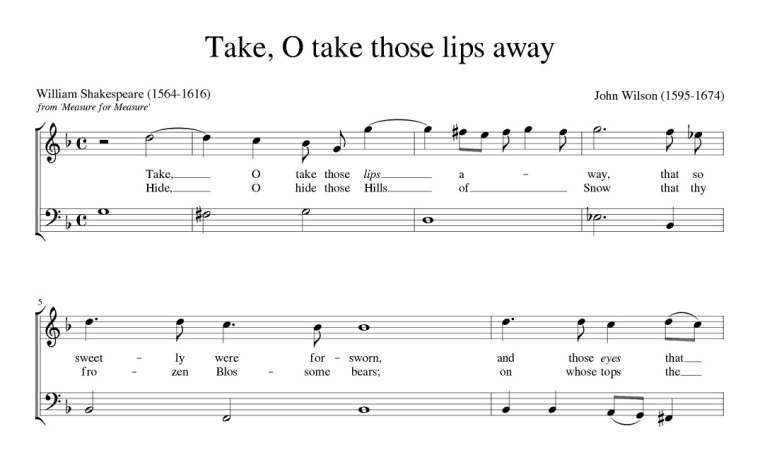
Take those lips away
Take, O take those lips away,
That so sweetly were forsworn;
And those eyes, the break of day,
Lights that do mislead the morn:
But my kisses bring again
Seals of love, though seal’d in vain.
Hide, O hide those hills of snow
That thy frozen bosom bears,
On whose tops the pinks that grow
Are yet of those that April wears,
But first set my poor heart free,
Bound in those icy chains by thee.
 La prima strofa si trova nella commedia di Shakespeare Misura per misura (atto IV, scena 1a), rappresentata per la prima volta nel 1604; non sappiamo su quale melodia fosse cantata. Prima e seconda strofa sono nel dramma Rollo Duke of Normandy, or The Bloody Brother, scritto in collaborazione da John Fletcher, Philip Massinger, Ben Jonson e George Chapman in data imprecisabile (comunque non prima del 1612). Non è dato di sapere se la seconda strofe sia un’aggiunta di Fletcher oppure se tanto Shakespeare quanto Fletcher si siano rifatti a una canzone popolare in voga ai loro tempi.
Il testo è stato musicato da diversi autori. Il primo in ordine cronologico fu John Wilson (1595 - 1674), il quale nel 1614 succedette a Robert Johnson quale primo compositore dei King’s Men, la compagnia teatrale cui apparteneva Shakespeare. Ascoltiamo il suo lavoro in… versione shakespeariana (ossia limitata alla sola prima strofa) interpretata da Alfred Deller (voce) e Desmond Dupré (liuto); e poi nella versione integrale cantata dal soprano Anna Dennis, accompagnata da Hanneke van Proosdij al clavicembalo, Elisabeth Reed alla viola da gamba e David Tayler all’arciliuto.
 The first stanza is featured in Shakespeare’s play Measure for Measure (act 4, scene 1), first represented in 1604; we do not know to what tune it was sung. Both the stanzas feature in the play Rollo Duke of Normandy, or The Bloody Brother, co-written by John Fletcher, Philip Massinger, Ben Jonson and George Chapman and performed at an unspecified date (though not earlier than 1612). It is not known whether the second stanza is an addition by Fletcher or whether both Shakespeare and Fletcher drew on a popular song in vogue in their time.
These verses have been set to music by various composers. The first in chronological order was John Wilson (1595 - 1674), who in 1614 succeeded Robert Johnson as principal composer for the King’s Men, the theater company to which Shakespeare belonged. Let’s listen to his work in… a Shakespearean version (i.e. the first stanza only) performed by Alfred Deller (voice) and Desmond Dupré (lute); and then in the complete version sung by soprano Anna Dennis, accompanied by Hanneke van Proosdij on harpsichord, Elisabeth Reed on viola da gamba and David Tayler on archlute.
John Weldon (1676 - 1736): Take, O take those lips away per voce e continuo (c1707). Emma Kirkby, soprano; Anthony Rooley, liuto.
Robert Lucas de Pearsall (1795 - 1856), Take, O take those lips away per coro a 5 voci a cappella op. 6 (1830). Cantores Musicæ Antiquæ, dir. Jeffery Kite-Powell.
Mrs H. H. A. Beach (Amy Marcy Cheney Beach, 1867 - 1944): Take, O take those lips away per voce e pianoforte, n. 2 dei Three Shakespeare Songs op. 37 (1897). Virginia Mims, soprano.
Peter Warlock (pseudonimo di Philip Heseltine, 1894 - 1930): Take, O take those lips away per voce e pianoforte (1916-17). Benjamin Luxon, baritono; David Willison, pianoforte.
Roger Quilter (1877 - 1953): Take, O take those lips away per voce e pianoforte, n. 4 dei Five Shakespeare Songs op. 23 (1921). Philippe Sly, basso-baritono; Michael McMahon, pianoforte.
Madeleine Dring (1923 - 1977): Take, O take those lips away per voce e pianoforte (c1950). Michael Hancock-Child, tenore; Ro Hancock-Child, pianoforte.
Emma Lou Diemer (1927): Take, O take those lips away, da Three Madrigals per coro e pianoforte (1960). The Colorado Chorale, dir. Frank Eychaner.
Charles Wuorinen (9 giugno 1938 - 2020): Microsymphony (1992). Philadelphia Orchestra diretta presumibilmente dall’autore.

 Albéric Magnard (9 giugno 1865 - 1914): Sinfonia n. 4 in do diesis minore op. 21 (1913). Orchestre du Capitole de Toulouse, dir. Michel Plasson.
Something rich and strange
Due brani cantati da Ariele nella Tempesta (1610-11) di William Shakespeare:
– Full fathom five (atto I, scena 2a)
– Where the bee sucks (atto V, scena 1a)
La musica è di Robert Johnson (c1583 - 1633), il quale collaborò con Shakespeare scrivendo brani per i suoi ultimi drammi. Canta Alfred Deller, accompagnato al liuto da Desmond Dupré.
Two pieces sung by Ariel in Shakespeare’s The Tempest (1610-11):
– Full fathom five (act I, 2nd scene)
– Where the bee sucks (act V, 1st scene)
Music is by Robert Johnson (c1583-1633), who worked with Shakespeare providing music for his later plays. Alfred Deller, haute-contre; Desmond Dupré, lute.
Full fathom five thy father lies,
Of his bones are coral made,
Those are pearls that were his eyes:
Nothing of him that doth fade,
But doth suffer a sea-change
Into something rich and strange.
Sea-nymphs hourly ring his knell:
Hark! now I hear them:
Ding-dong, bell.
Where the bee sucks, there suck I,
In a cowslip’s bell I lie,
There I couch when owls do cry,
On the bat’s back I do fly
After summer merrily.
Merrily, merrily shall I live now
Under the blossom that hangs on the bough.
Karel Goeyvaerts (8 giugno 1923 - 1993): Zum Wassermann per 14 esecutori (1984). Ensemble SPECTRA.

Tomaso Albinoni (8 giugno 1671 - 1751): Concerto in si bemolle maggiore per oboe e archi op. 9 n. 11 (1722). Han de Vries, oboe; Alma Musica Amsterdam, dir. Bob van Asperen.

Ferruccio Busoni (1866 - 1924): Turandots Frauengemach, n. 4 delle 6 Elegien per pianoforte BV 249 (1907). Claudius Tanski.
« An amusing circumstance surrounds the fourth Elegy. According to Petri, someone had shown Busoni the melody Greensleeves, and had convinced him, or else Busoni had assumed, that it was an oriental tune » (Larry Sitsky).
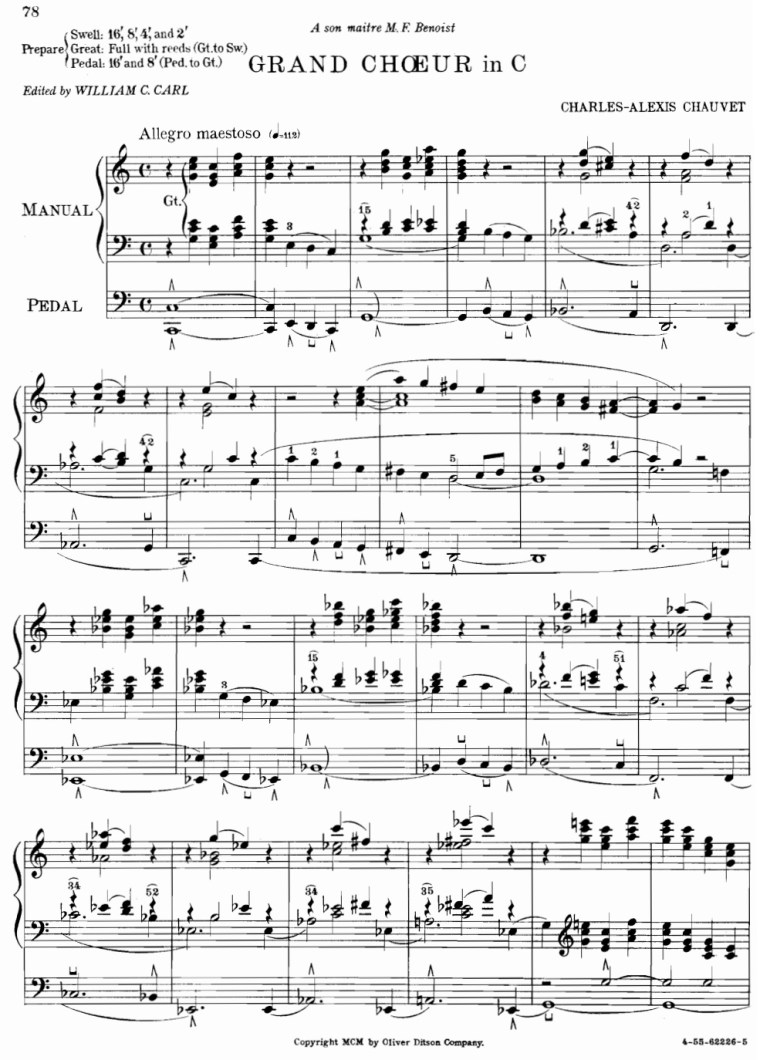
Charles-Alexis Chauvet (7 giugno 1837 - 1871): Grand Chœur in do maggiore per organo (1863). Christoph Bartusek.
Giuseppe Demachi (7 giugno 1732 - c1791): Sinfonia in mi bemolle maggiore. Kurpfälzisches Kammerorchester, dir. Hans Oskar Koch.

Many sighs about nothing
Thomas Augustine Arne (1710 - 1778): Sigh no more, ladies, dalle musiche di scena (1748) per Much ado about nothing di W. Shakespeare (atto II, scena 3a).
– Versione per voce solista e orchestra d’archi: Alexander Young, tenore; Martin Isepp, clavicembalo; Wiener Rundfunkorchester, dir. Brian Priestman.
– Versione per 3 voci virili (TTB) a cappella: The Hilliard Ensemble.
Sigh no more, ladies, sigh no more.
Men were deceivers ever,
One foot in sea, and one on shore,
To one thing constant never.
Then sigh not so, but let them go,
And be you blithe and merry,
Converting all your sounds of woe
Into hey down derry.
Sing no more ditties, sing no more
Of dumps so dull and heavy.
The fraud of men was ever so
Since summer first was leavy.
Then sigh not so, but let them go,
And be you blithe and merry,
Converting all your sounds of woe
Into hey down derry.

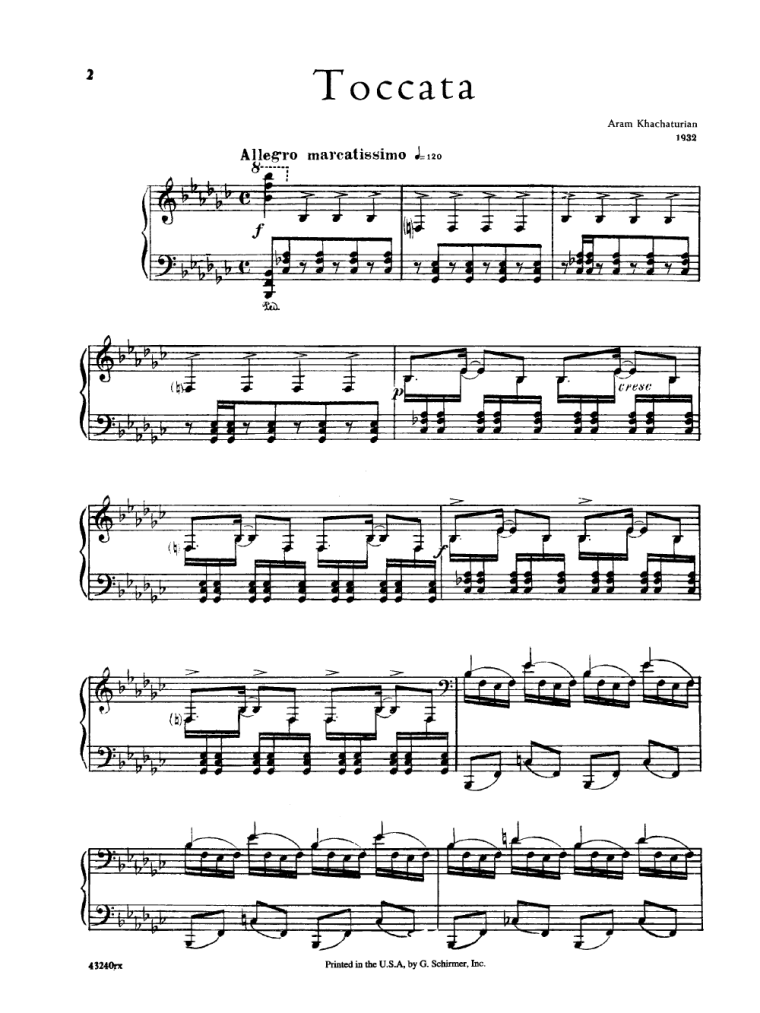
Aram Il’ič Chačaturjan (6 giugno 1903 - 1978): Toccata in mi bemolle minore per pianoforte op. 11 (1932). Murray McLachlan.
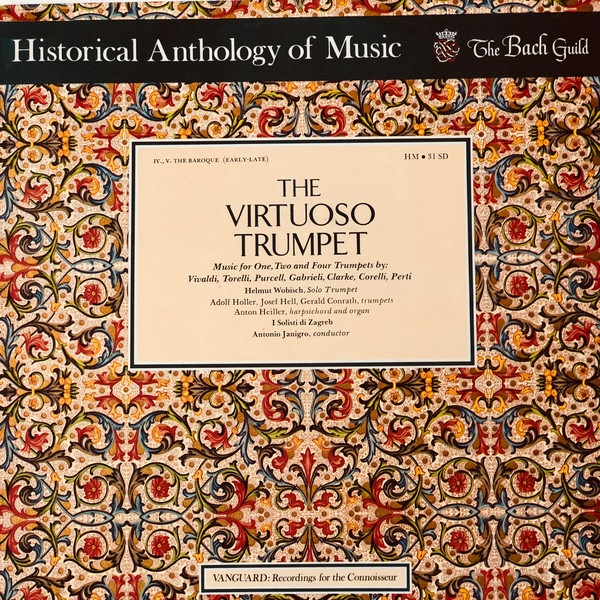
Giacomo Antonio Perti (6 giugno 1661 - 1756): Sonata per 4 trombe, archi e basso continuo. Helmut Wobisch, I tromba; I Solisti di Zagabria, dir. Antonio Janigro (registrazione del 1972).
Shylock
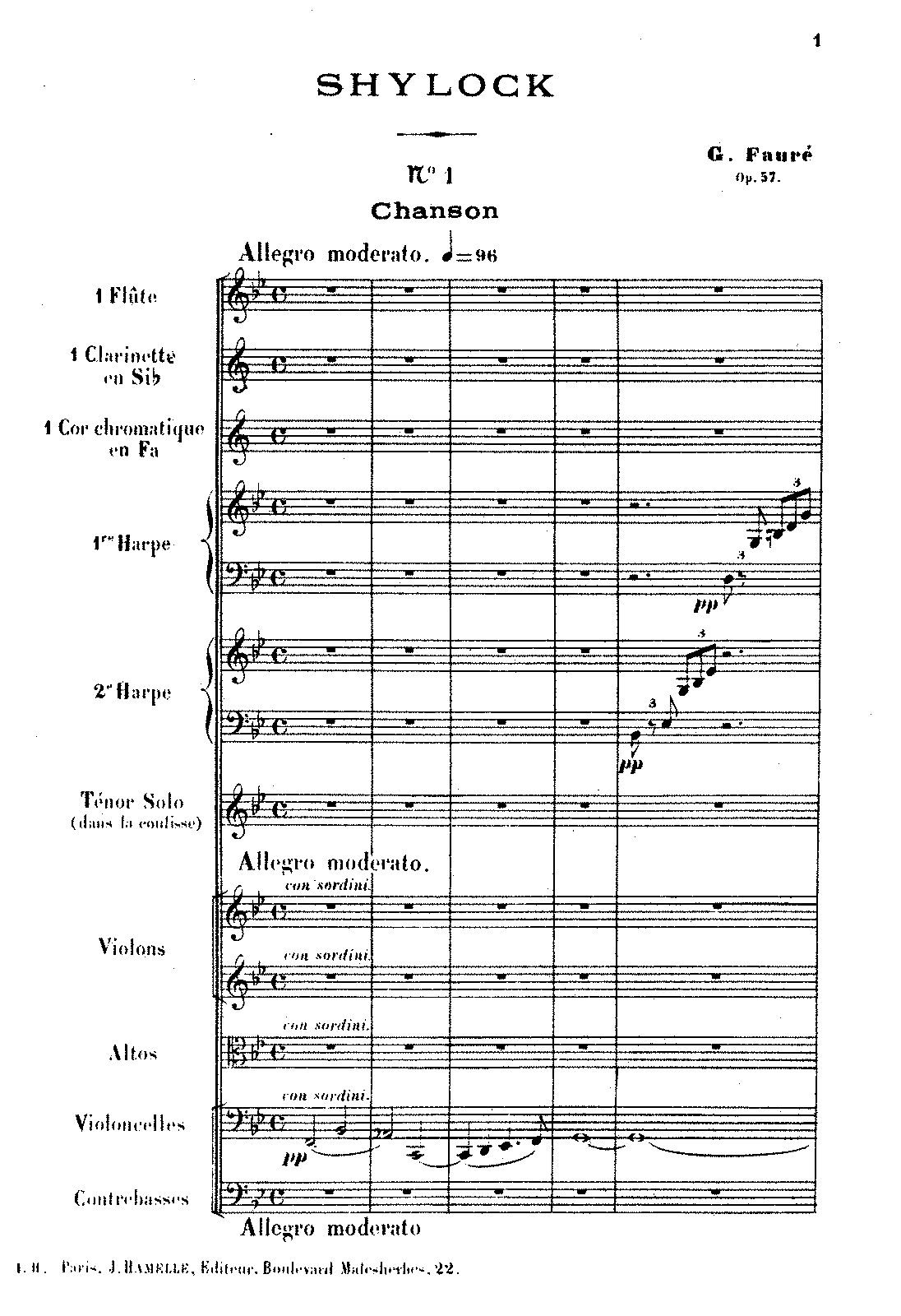
Gabriel Fauré (1845 - 1924): Shylock, suite per tenore e orchestra op. 57 (1889) dalle musiche di scena per la commedia omonima in 3 atti di Edmond Haraucourt (adattamento dal Mercante di Venezia di Shakespeare). Benjamin Bruns, tenore; Sinfonieorchester Basel, dir. Ivor Bolton.
Oh! les filles! Venez, les filles aux voix douces!
C’est l’heure d’oublier l’orgueil et les vertus,
Et nous regarderons éclore dans le mousses,
La fleur des baisers défendus.
Les baisers défendus c’est Dieu qui les ordonne.
Oh! les filles! Il fait le printemps pour les nids,
Il fait votre beauté pour qu’elle nous soit bonne,
Nos désirs pour qu’ils soient unis.
Oh! filles! Hors l’amour rien n’est bon sur la terre,
Et depuis les soirs d’or jusqu’aux matin rosés
Les morts ne sont jaloux, dans leur paix solitaire,
Que du murmure des baisers!
Celle que j’aime a de beauté
Plus que Flore et plus que Pomone,
Et je sais pour l’avoir chanté
Que sa bouche est le soir d’automne
Et son regard la nuit d’été.
Pour marraine elle eut Astarté,
Pour patronne elle a la Madone,
Car elle est belle autant que bonne,
Celle que j’aime.
Elle écoute, rit et pardonne,
N’écoutant que par charité;
Elle écoute, mais sa fierté
N’écoute ni moi ni personne,
Et rien encore n’a tenté
Celle que j’aime.
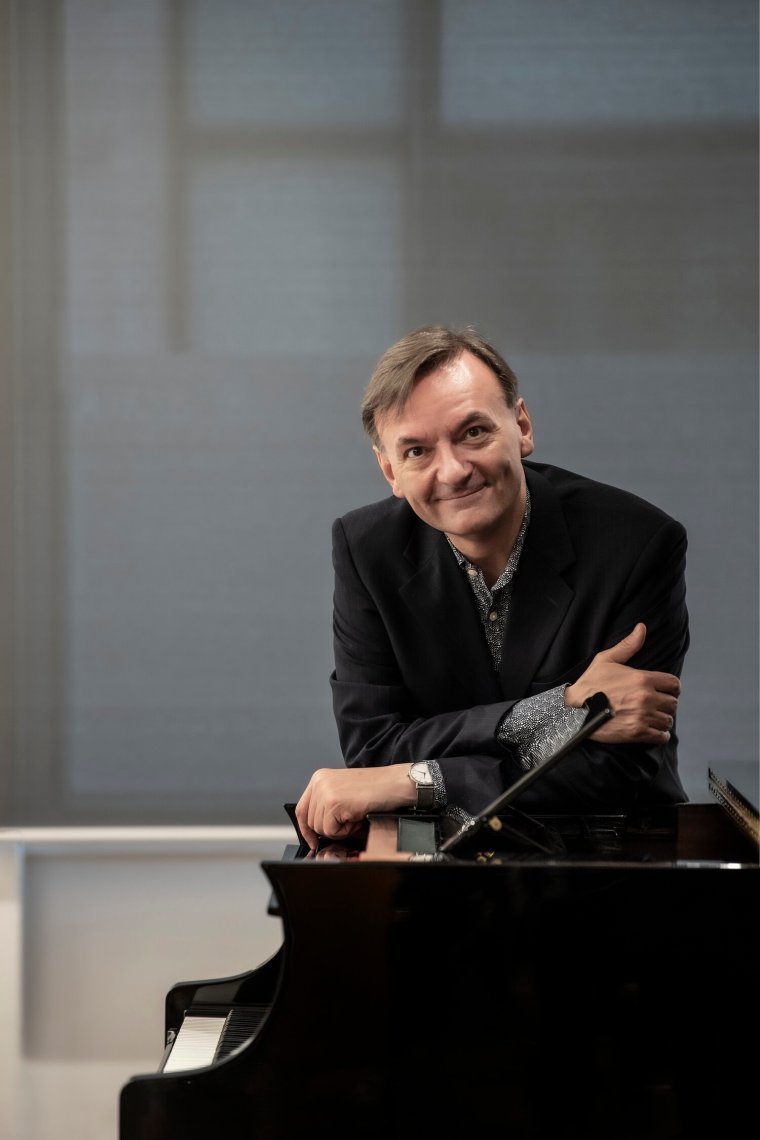
Stephen Hough (1961) esegue una propria rielaborazione al pianoforte del song di Richard Rodgers My Favourite Things, tratto dal musical The Sound of Music (1955).
Il brano di Rodgers è stato reinterpretato moltissime volte da numerosi musicisti, in particolare da John Coltrane: ne parla Sandro Dandria in un suo articolo recente, davvero interessante.
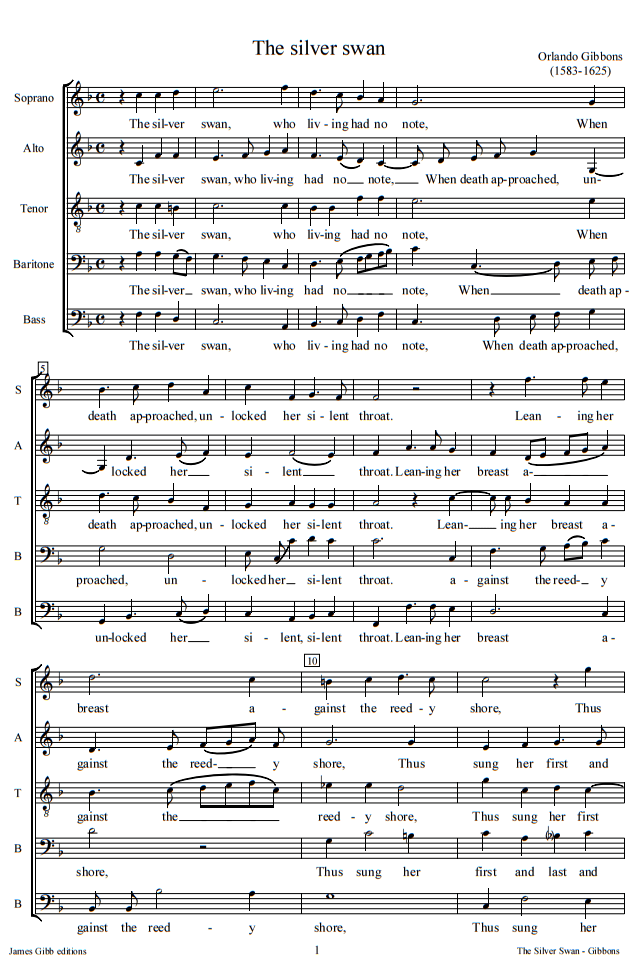
Orlando Gibbons (1583 - 5 giugno 1625): The Silver Swan, madrigale a 5 voci (pubblicato in The First Set of Madrigals and Mottets, 1612, n. 1) su testo probabilmente di sir Christopher Hatton (1581 - 1619). The Gesualdo Six.
The Silver Swan, who living had no note,
When death approached, unlocked her silent throat.
Leaning her breast against the reedy shore,
Thus sung her first and last, And sung no more:
«Farewell all joys, O death come close mine eyes.
More geese than swans now live, more fools than wise.»
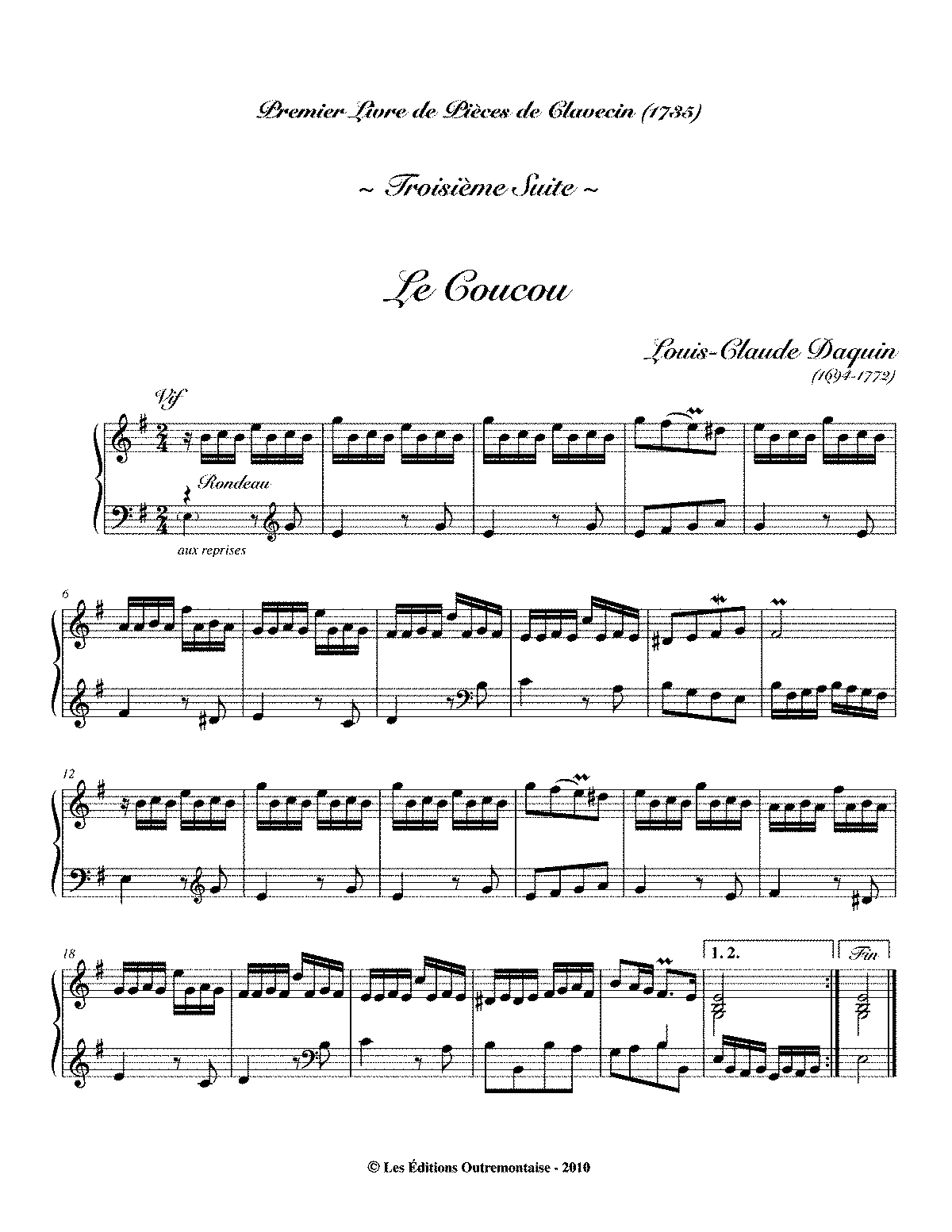
Louis-Claude Daquin (4 giugno 1694 - 1772): le Coucou, rondeau in mi minore, dalla 3a Suite del Premier Livre de pièces de clavecin (1735).
Segej Rachmaninov al pianoforte (registrazione del 1920).
György Cziffra al pianoforte (1982).
Trevor Pinnock al clavicembalo (1984).
Marie-Pierre Langlamet all’arpa (2015).
Jonathan Scott all’organo (2018).
Bruno Bettinelli (4 giugno 1913 - 2004): Deus creator omnium, inno IV di sant’Ambrogio per coro a cappella a 4 voci (1996). Gruppo vocale Ars Antica, dir. Marco Berrini.
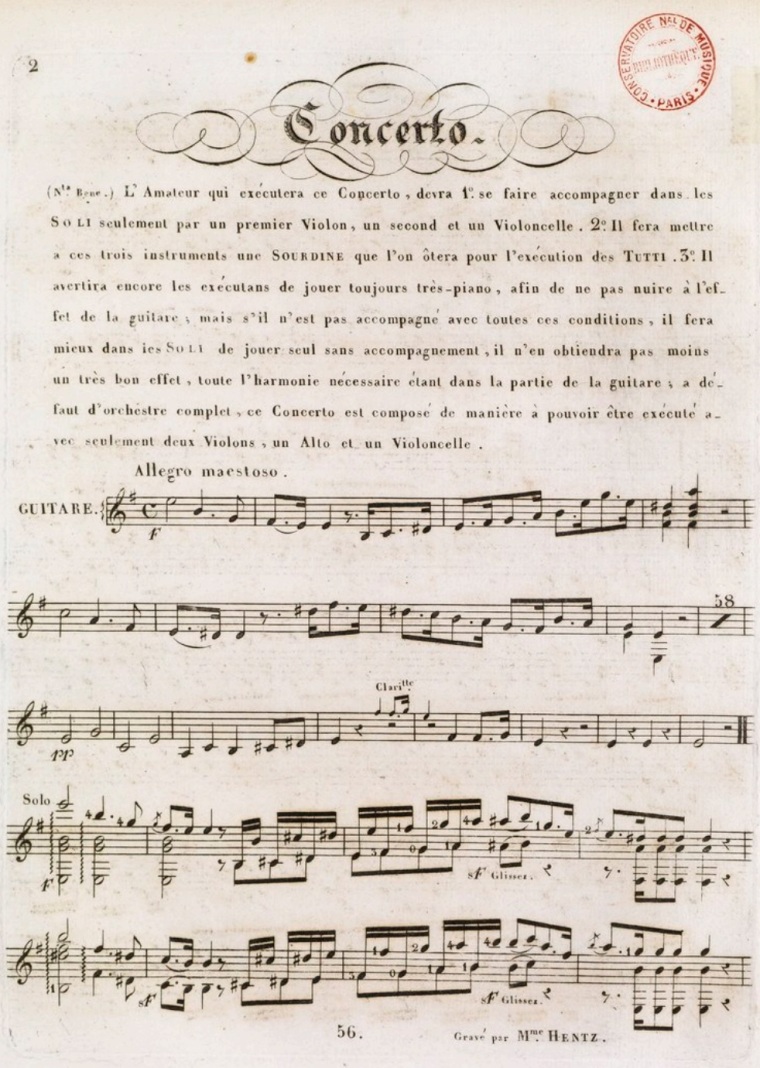
Francesco Molino (4 giugno 1768 - 1847): Grand Concerto in mi minore per chitarra e orchestra. Pepe Romero, chitarra; Academy of St Martin in the Fields, dir. Iona Brown.
Kaija Saariaho (1952 - 2 giugno 2023): Orion per orchestra (2002). Orchestre de Paris, dir. Christoph Eschenbach.

Antoine Boësset (1586 o 1587 - 1643): Nos esprits libres et contents, dal Ballet de la Reyne (1609). Le Poème harmonique, dir. Vincent Dumestre.
Nos esprits libres et contents
Vivent en ces doux passe-temps.
Et par de si chastes plaisirs,
Bannissent tous autres désirs.
La danse, la chasse et les bois,
Nous rendent exempts des lois
Et des misères dont l’Amour
Afflige les cœurs de la Cour.
[Et c’est plutôt avec cet art
Qu’avec la pointe de ce dard
Que cette troupe se défend
Des traits de ce cruel Enfant.]
Car en changeant toujours de lieu
Nous empêchons si bien ce Dieu,
Qu’il ne peut s’assurer des coups
Qu’il pense tirer contre nous.
Ainsi nous défendant de lui
Et passant nos jours sans ennui,
Nous essayons de lui ravir
La gloire de nous asservir.
Il est bien vrai qu’en nous sauvant,
Il nous va toujours poursuivant,
Et nous poursuit en tant de lieux,
Qu’en fin il entre dans nos yeux.
[Mais encore qu’on puisse penser
Qu’alors il nous doive offenser,
Pourtant nous n’avons point de peur
Qu’il nous puisse enflammer le cœur.
Car la neige de notre sein
Empêche si bien son dessein,
Qu’alors qu’il nous pense enflammer
Son feu ne se peut allumer.]
Nos esprits libres et contents
Vivent en ces doux passe-temps.
Et par de si chastes plaisirs,
Bannissent tous autres désirs.


 la regina gioiosa