
Roman Haubenstock-Ramati (27 febbraio 1919 - 3 marzo 1994): Petite musique de nuit, «Mobile für Orchester» (1958). Südwestfunks Symphonieorchester, dir. Pierre Boulez (registrazione della 1a esecuzione, Donaueschingen, 18 ottobre 1959).

Roman Haubenstock-Ramati (27 febbraio 1919 - 3 marzo 1994): Petite musique de nuit, «Mobile für Orchester» (1958). Südwestfunks Symphonieorchester, dir. Pierre Boulez (registrazione della 1a esecuzione, Donaueschingen, 18 ottobre 1959).
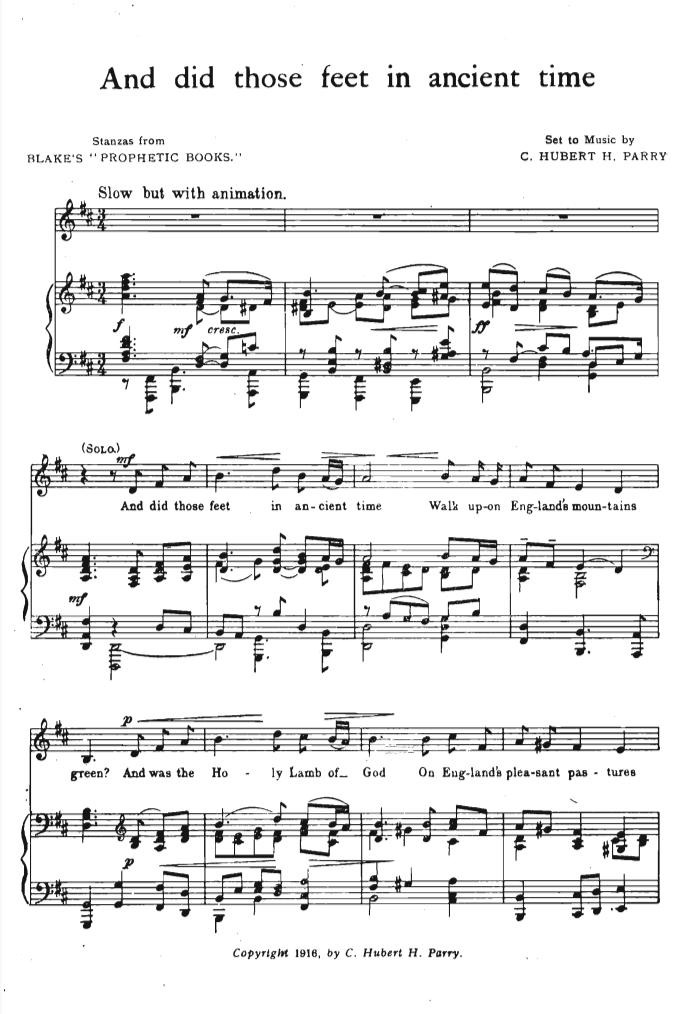
Sir Charles Hubert Hastings Parry (27 febbraio 1848 - 1918); Jerusalem, cantata (inno) per coro all’unisono e organo (1916) su testo di William Blake; versione per orchestra di sir Edward Elgar (1922). Coro della Cattedrale di Winchester e Waynflete Singers; Bournemouth Symphony Orchestra, dir. David Hill.
And did those feet in ancient time
Walk upon England’s mountains green?
And was the holy Lamb of God,
On England’s pleasant pastures seen!
>And did the Countenance Divine,
Shine forth upon our clouded hills?
And was Jerusalem builded here,
Among these dark Satanic Mills?
Bring me my Bow of burning gold;
Bring me my Arrows of desire:
Bring me my Spear: O clouds unfold!
Bring me my Chariot of fire!
I will not cease from Mental Fight,
Nor shall my Sword sleep in my hand:
Till we have built Jerusalem,
In England’s green & pleasant Land.
Alfred Bachelet (26 febbraio 1864 - 10 febbraio 1944): Dans la montagne, ballata per corno e pianoforte (1907). Douglas Loundeen, corno; Barbara González-Palmer, pianoforte.

Antonín Reicha (26 febbraio 1770 - 1836): Grande Symphonie de salon n. 1 in re minore-maggiore per 9 strumenti solisti (oboe, clarinetto, fagotto, corno, 2 violini, viola, violoncello e contrabbasso; 1825). Le Concert de la Loge, dir. Julien Chauvin.

William Brade (1560 - 26 febbraio 1630): brani diversi estratti dalla raccolta Newe ausserlesene Paduanen, Galliarden, Cantzonen, Allemannen und Coranten auff allen musicalischen Instrumenten lieblich zu gebrauchen (Amburgo 1609). Hespèrion XX, dir. Jordi Savall.
L’inglese William Brade visse a lungo nella città anseatica di Amburgo, dove fu direttore della musica municipale (Ratsmusik).

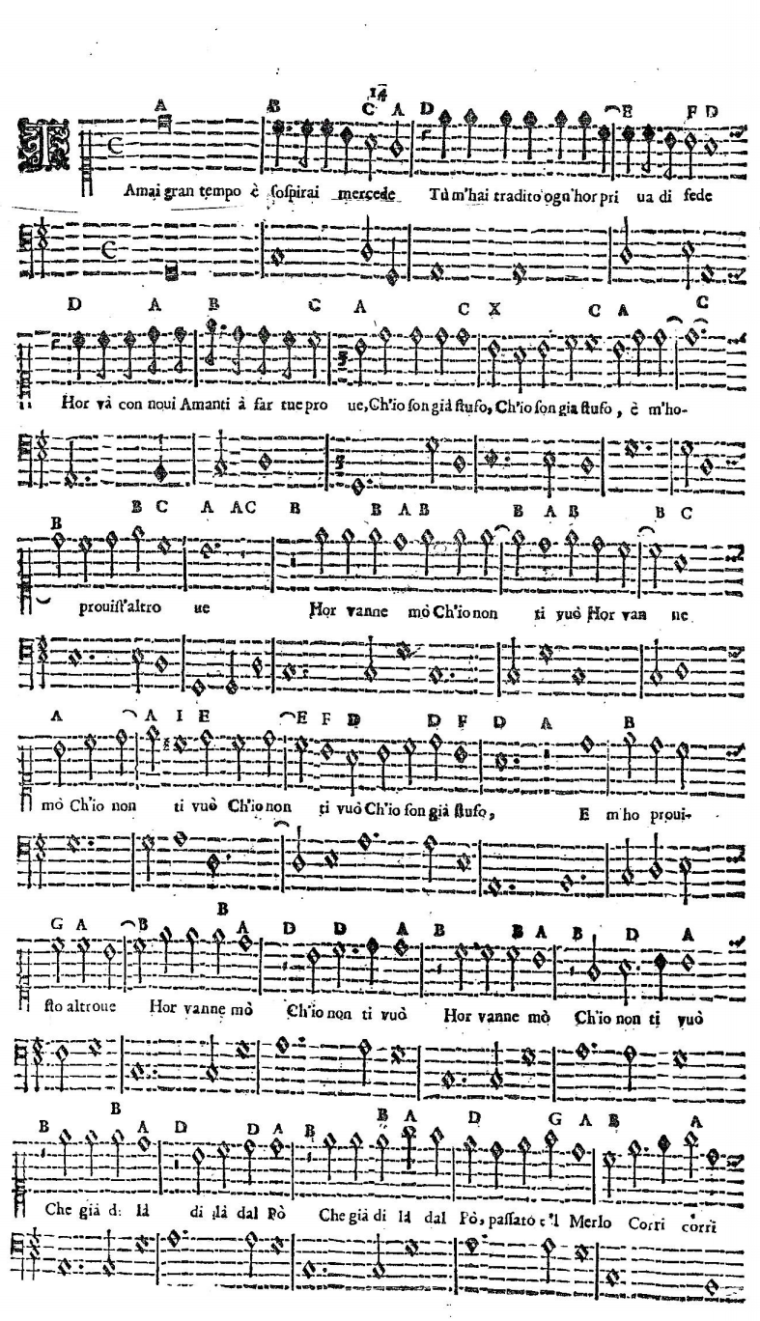
Stefano Landi (battezzato il 26 febbraio 1587 - 1639): T’amai gran tempo, aria a 1 voce e basso continuo (pubblicata nel ASecondo Libro d’arie musicali ad una voce, 1627, n. 11). Marco Beasley, voce; ensemble L’Arpeggiata, dir. Christina Pluhar.
T’amai gran tempo e sospirai mercede.
Tu m’hai tradito ogn’hor, priva di fede.
Hor và con novi amanti a far tue prove,
ch’io son già stufo e m’ho provvisto altrove.
Hor vanne mò
Ch’io non ti vo’,
Ch’io son già stufo
E m’ho provvisto altrove.
Hor vanne mò
Ch’io non ti vo’
Che già di là,
Di là dal Po, passato è ‘l Merlo…
Corri, corri a vederlo!
Mille volte io piangeva, e tu ridevi.
Mille volte io rideva, e tu piangevi.
Così cortese, i più felici amanti
Schermisti cruda in giochi, in risi, in pianti.
Hor grida mò,
Ch’io sordo stò,
Ch’io son già stufo
E m’ho provvisto altrove.
Hor vanne mò
Ch’io non ti vo’
Che già di là,
Di là dal Po, passato è ‘l Merlo…
Corri, corri a vederlo!
Ti fui fedele allor che fui gradito.
E qui lasciar ti vuò, se m’hai tradito.
Hor vanne a porre a nuovi amanti il vischio,
ch’io son già sciolto, e più non sento il fischio,
Hor crepa mò,
Ch’io non ti vo’,
Ch’io son già stufo
E m’ho provvisto altrove.
Hor vanne mò
Ch’io non ti vo’
Che già di là
Di là dal Po, passato è ‘l Merlo…
Corri, corri a vederlo!
Se talento ti vien di dar martello,
Guardati il volto, che non è più quello:
Hor le tue labbra d’oro e ‘l crin d’argento
Ricco mi fanno sol di pentimento.
Hor non più, no
T’adorerò,
Ch’io non ti vo’,
Ch’io son già stufo
E m’ho provvisto altrove.
Hor vanne mò
Ch’io non ti vo’
Che già di là
Di là dal Po, passato è ‘l Merlo…
Corri, corri a vederlo!
Johann Sebastian Bach (1685 - 1750): Toccata e Fuga in fa maggiore per organo BWV 540 (c1708-17). Marie-Claire Alain (1926 - 26 febbraio 2013).

Ferdinando Gasparo Turrini (26 febbraio 1745 - c1820): Sonata IV in sol minore (c1780). Fernando De Luca, clavicembalo.

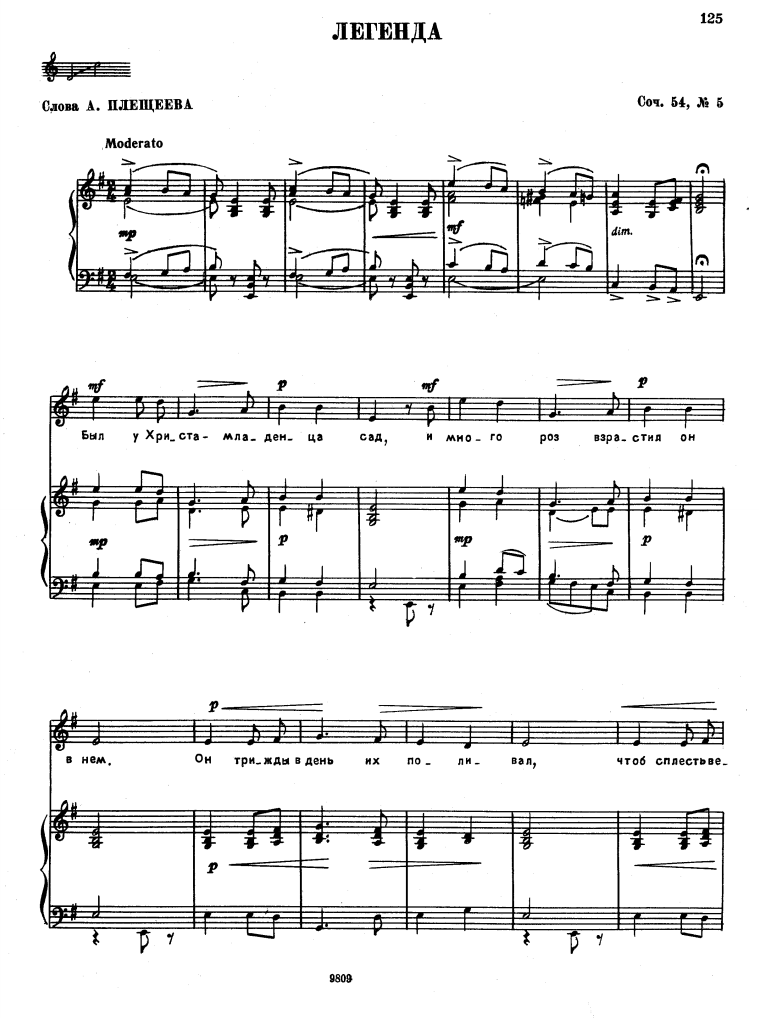
Pëtr Il’ič Čajkovskij (1840 - 1893): Leggenda per voce e pianoforte op. 54 n. 5 (1883). Nicolai Gedda, tenore; Geoffrey Parsons, pianoforte.
Il testo è costituito da una traduzione russa, eseguita da Aleksej Nikolaevič Pleščeev (1825-1893), di una poesia, un tantino antisemita, di Richard Henry Stoddard (1825-1903) intitolata Roses and Thorns (vedi oltre).
Lo stesso brano nell’orchestrazione di Čajkovskij, interpretato (con testo inglese) da Peter Pears con l’English Chamber Orchestra diretta da Benjamin Britten.
Versione per coro a cappella eseguita dal Coro da camera del Ministero della cultura dell’URSS diretto da Valerij Kuzmič Poljanskij. Registrazione del 1988.
Anton Stepanovič Arenskij (1861 - 25 febbraio 1906): Variazioni per archi sopra un tema di Čajkovskij op. 35a (1894). London Symphony Orchestra, dir. John Barbirolli. Registrazione del 1947.
R. H. Stoddard: Roses and Thorns (1857).
The young child Jesus had a garden,
Full of roses, rare and red:
And thrice a day he watered them,
To make a garland for his head.
When they were full-blown in the garden,
He called the Jewish children there,
And each did pluck himself a rose,
Until they stripped the garden bare.
«And now how will you make your garland?
For not a rose your path adorns.»
«But you forget», he answered them,
«That you have left me still the thorns.»
They took the thorns, and made a garland,
And placed it on his shining head;
And where the roses should have shone
Were little drops of blood instead!
Aleksej Nikolaevič Pleščeev: Легенда (Leggenda, 1877).
Был у Христа-младенца сад,
И много роз взрастил он в нём;
Он трижды в день их поливал,
Чтоб сплесть венок себе потом.
Когда же розы расцвели,
Детей еврейских созвал он;
Они сорвали по цветку,
И сад был весь опустошён.
«Как ты сплетешь теперь венок?
В твоём саду нет больше роз!»
«Вы позабыли, что шипы
Остались мне», сказал Христос.
И из шипов они сплели
Венок колючий для него,
И капли крови вместо роз
Чело украсили его.
Armand-Louis Couperin (25 febbraio 1727 - 1789): La Chéron, rondeau, dalle Pièces de clavecin op. 1 (1751). Skip Sempé, clavicembalo.

Marco da Gagliano (1582 - 25 febbraio 1643): Missa in Assumptione Beatae Mariae Virginis a 6 voci (pubbl. 1614). Insieme vocale e strumentale L’homme armé, dir. Fabio Lombardo.

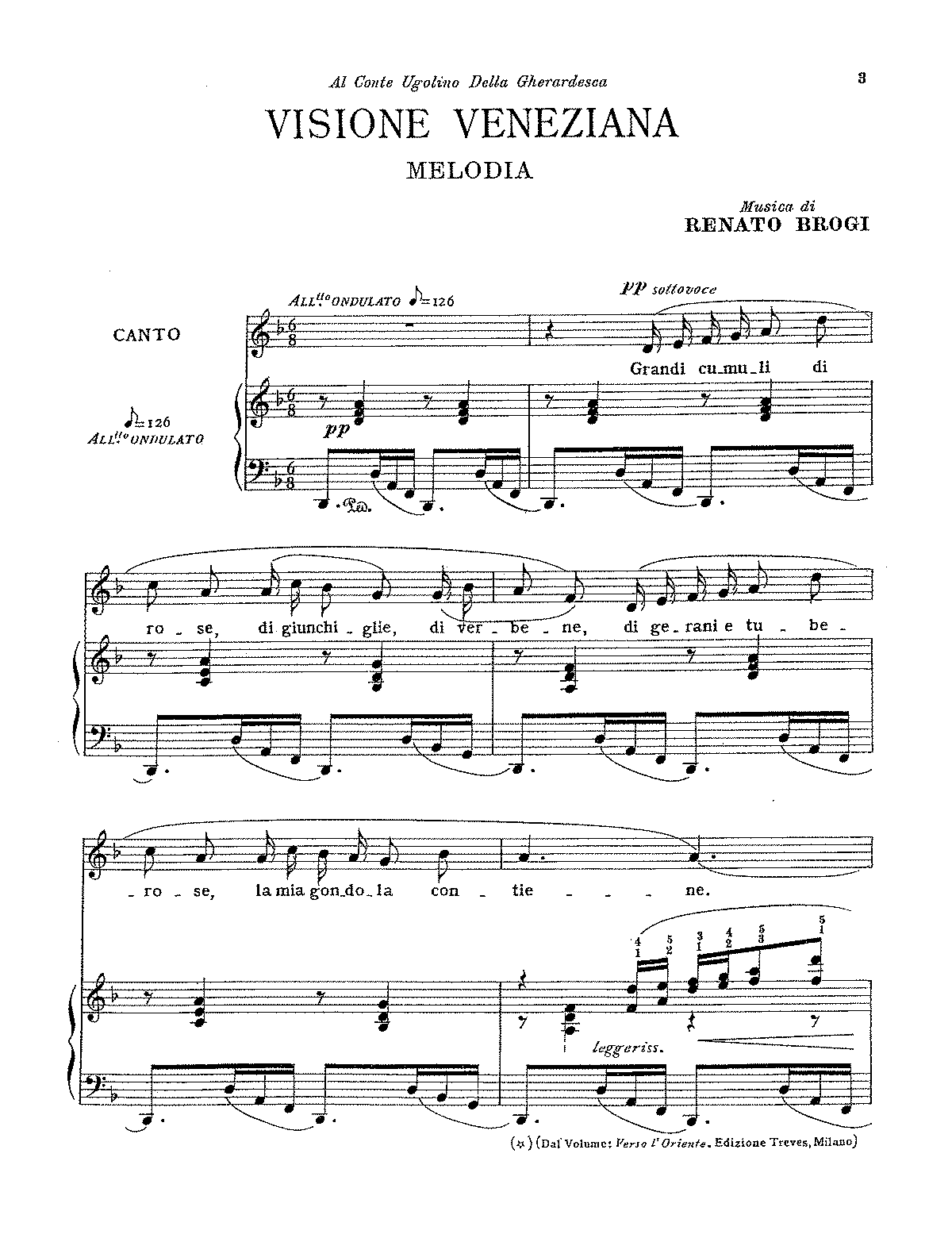
Renato Brogi (25 febbraio 1873 - 1924): Visione veneziana, romanza per voce e orchestra (c1912) su testo di Angiolo Orvieto. Cesare Siepi, basso; Orchestra da camera di Torino della Radio italiana, dir. Cesare Gallino (registrazione del 1948).
Grandi cumuli di rose,
di giunchiglie, di verbene,
di gerani e tuberose,
la mia gondola contiene.
Essa fila nell’aurora
che sorride sul canale,
che i palazzi grigi sfiora
col suo bacio d’immortale.
Presso ad una testa bionda
che fra le verbene affonda
e di rose s’incorona,
il mio capo s’abbandona.
E la gondola ci culla
tutti e due soavemente;
ma la pallida fanciulla
nulla vede e nulla sente.
Chiuse son le lunghe ciglia
sovra il sogno mattutino;
ella sembra una giunchiglia
sotto il cielo cilestrino.
Nell’aurora, fra gli odori
dei bei cumuli di fiori,
questa gondola mi porta,
con la mia diletta, morta.
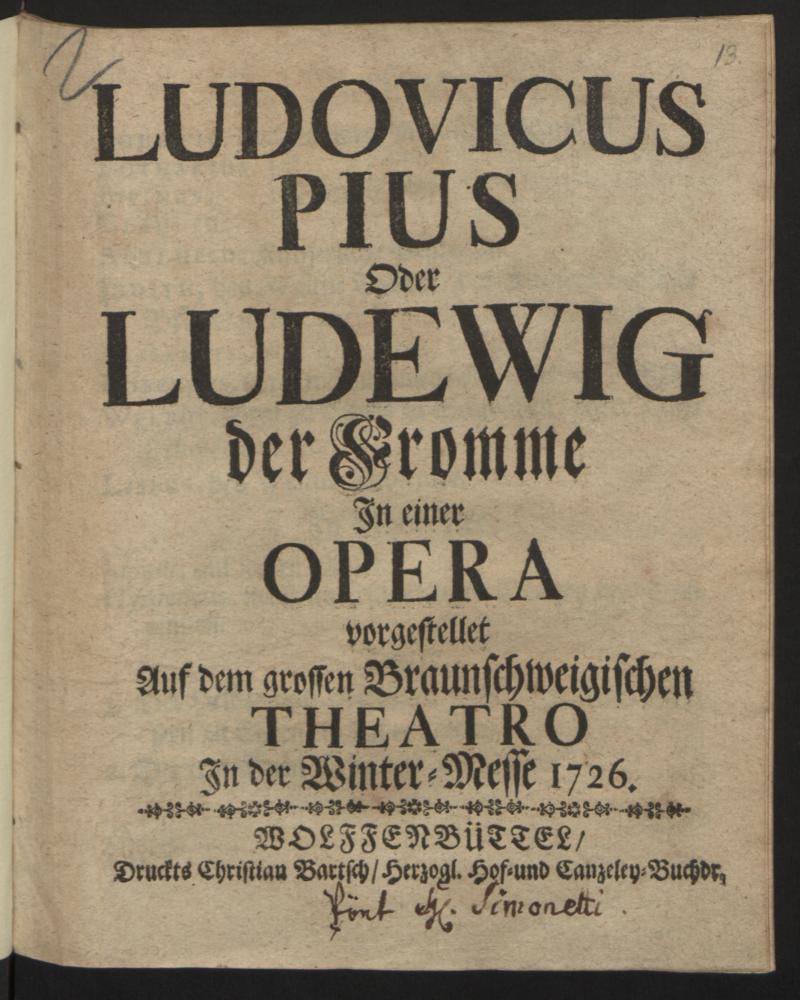
Georg Caspar Schürmann (1672 o 1673 - 25 febbraio 1751): Suite dall’opera Ludovicus Pius oder Ludewig der Fromme (1726). Akademie Für Alte Musik Berlin.
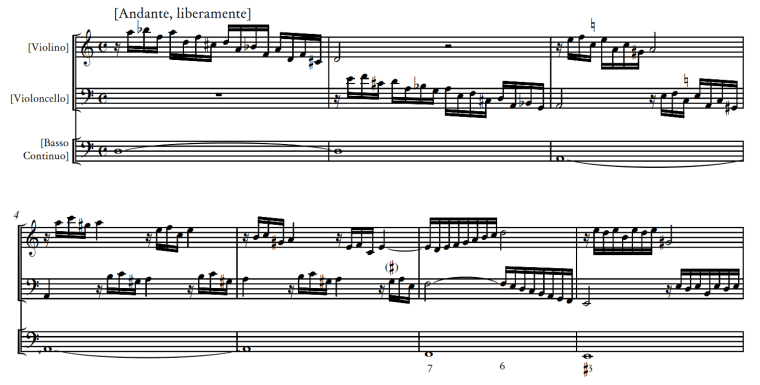
Alessandro Stradella (1639 - 25 febbraio 1682): Sonata in re minore per violino, violoncello e basso continuo. Ensemble Consonanze Stravaganti: Linda Przybiernow, violino; Nicola Paoli, violoncello; Andrea Antonel, tiorba.
The Protestation: A Sonnet
(Thomas Carew, 1595 - 1640)
No more shall meads be deck’d with flowers,
Nor sweetness dwell in rosy bowers,
Nor greenest buds on branches spring,
Nor warbling birds delight to sing,
Nor April violets paint the grove,
If I forsake [When once I leave] my Celia’s love.
The fish shall in the ocean burn,
And fountains sweet shall bitter turn;
The humble oak no flood shall know,
When floods shall highest hills o’er-flow;
Blacke Lethe shall oblivion leave,
If e’er my Celia I deceive.
Love shall his bow and shaft lay by,
And Venus’ doves want wings to fly;
The sun refuse to show his light,
And day shall then be turn’d to night;
And in that night no star appear,
If once I leave my Celia dear.
Love shall no more inhabit earth,
Nor lovers more shall love for worth,
Nor joy above in heaven dwell,
Nor pain torment poor souls in hell;
Grim death no more shall horrid prove,
If e’er I leave bright Celia’s love.
Love’s Constancy, sul testo di Carew, è fra le composizioni più note di Nicholas Lanier (1588 - 24 febbraio 1666); in rete se ne trovano varie interpretazioni: vi propongo l’ascolto di quelle che mi paiono le più interessanti.
Amanda Sidebottom, soprano, e Erik Ryding, liuto.
Anna Dennis, soprano; Hanneke van Proosdij, clavicembalo; Elisabeth Reed, viola da gamba; David Tayler, chitarra barocca.
La performance del soprano Ellen Hargis accompagnata da Paul O’Dette alla tiorba è accessibile soltanto su YouTube, in quanto il proprietario del video ne ha disattivata la visione in altri siti web. Potete ascoltarla qui.

Anton van Dyck: ritratto di Nicholas Lanier
Johann Baptist Cramer (24 febbraio 1771 - 1858): Grande Sonata in re maggiore per pianoforte op. 20 (c1800). Jovanka Banjac.

Philip van Wilder? (c1500 - 24 febbraio 1554): Fantasia per liuto. Paul Kieffer.

István Anhalt (1919 - 24 febbraio 2012): Fantasia per pianoforte (1954). Glenn Gould.

 Matija Bravničar (24 febbraio 1897 - 1977): Concerto per violino e orchestra (1962). Dejan Bravničar, violino; Simfonični orkester RTV Slovenija, dir. Milan Horvat.
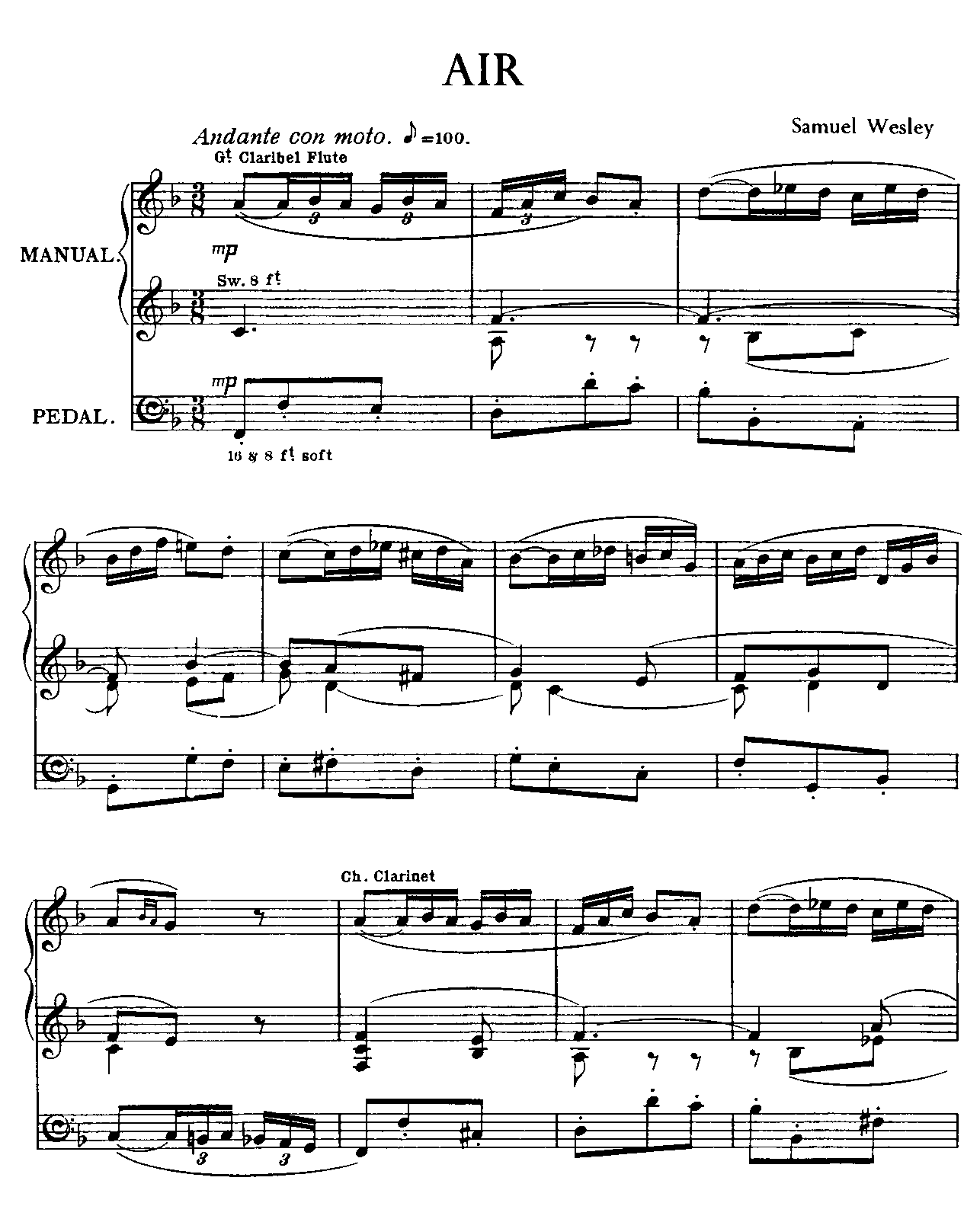
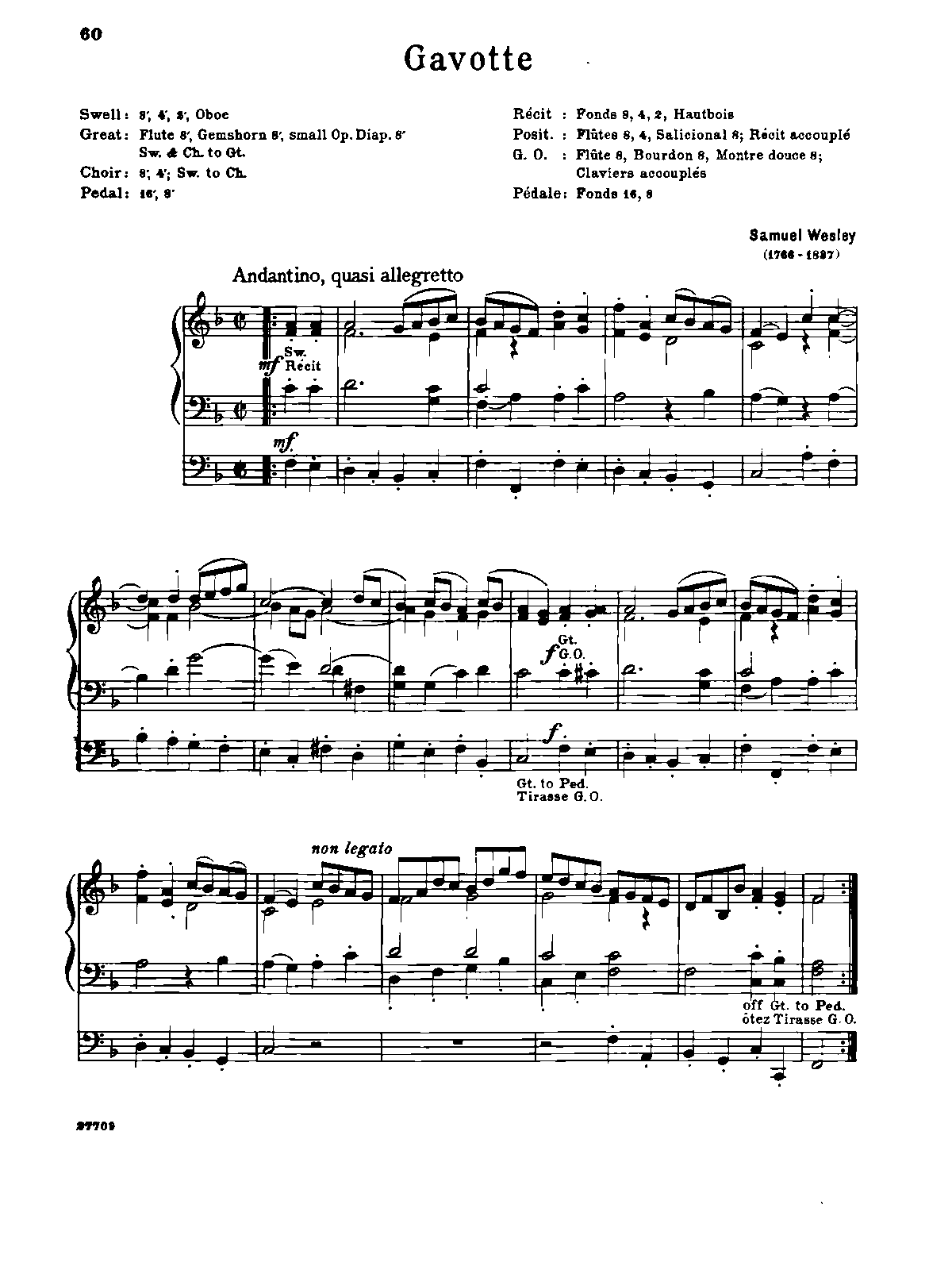
Samuel Wesley (24 febbraio 1766 - 1837): Air e Gavotte [2:01] in fa maggiore per organo. Willem van Twillert.
John Blow (battezzato il 23 febbraio 1649 – 1708): Venus and Adonis, «masque for the entertainment of the king» (Carlo II) in 1 prologo e 3 atti su libretto di autore ignoto (c1683). Sophie Daneman (Venus) e Elin Manahan Thomas (Cupid), soprani; Roderick Williams (Adonis), baritono; Theatre of the Ayre, dir. Elizabeth Kenny.
Libretto
VENUS
ADONIS
CUPID
FIRST SHEPHERD
SECOND SHEPHERD
SHEPHERDESS
HUNTSMAN
SHEPHERDS, SHEPHERDESSES, HUNTSMEN AND GRACES
LITTLE CUPIDS
OVERTURE: Maestoso – Allegro – Tempo I
THE PROLOGUE [3:40]
The curtain is drawn where is discovered Cupid with a bow in one hand and an arrow in the other and arrows by his side and around him Shepherds and Shepherdesses.
CUPID’S ENTRY (Vivace)
[Cupid bows and sings:]
Behold my arrows and my bow
And I desire my art to show:
No one bosom shall be found
Ere I have done, without a wound,
But it would be the greatest art
To shoot myself into your heart;
Thither with both my wings I move,
Pray entertain the God of Love.
SHEPHERDESS
Come, Shepherds all, let’s sing and play,
Be willing, lovesome, fond and gay.
SHEPHERD
She who those soft hours misuses
And a begging Swain refuses
When she would the time recover
May she have a feeble lover.
SHEPHERDESS
The best of the Celestial Pow’rs
Is come to give us happy hours.
2nd SHEPHERD
Oh, let him not from hence remove
SHEPHERDESS
Till ev’ry bosom’s full of love.
CUPID
Courtiers, there is no faith in you,
You change as often as you can:
Your women they continue true
But till they see another man.
SHEPHERD
Cupid hast thou many found
Long in the same fetters bound?
CUPID
At court I find constant and true
Only an aged lord or two.
SHEPHERD
Who do their Empire longest hold
CUPID
The foolish ugly and the old …
In these sweet groves love is not taught
Beauty and pleasure is not bought;
To warm desires the women nature moves
And ev’ry youthful swain by nature loves …
CHORUS
In these sweet groves [etc.]
[While this Chorus is singing a Shepherd and Shepherdess dance to it.]
CUPID
Lovers to the close shades retire,
Do what your kindest thoughts inspire.
[Exeunt omnes. The Curtain closes.]
FIRST ACT [12:00]
THE ACT TUNE (Lento)
The Curtain opens and discovers Venus and Adonis sitting together upon a Couch, embracing one another.
ADONIS
Venus!
VENUS
Adonis!
ADONIS
Venus, when shall I taste soft delights
And on thy bosom lie?
Let’s seek the shadiest covert of this grove
And never, never disappoint expecting love.
VENUS
Adonis, thy delightful youth
Is full of beauty and of truth.
With thee the Queen of Love employs
The hours design’d for softer joys.
ADONIS
My Venus still has something new
Which forces lovers to be true.
VENUS
Me my lovely youth shall find
Always tender, ever kind.
HUNTER’S MUSIC
[They rise from the Couch when they hear the Music.]
VENUS
Hark, hark, the rural music sounds,
Hark, hark the hunters, hark, hark the hounds!
They summon to the chase, haste haste away.
ADONIS
Adonis will not hunt today.
I have already caught the noblest prey.
VENUS
No, my shepherd, haste away,
Absence kindles new desire,
I would not have my lover tire …
My shepherd, will you know the art
By which I keep a conquer’d heart?
I seldom vex a lover’s ears
With business or with jealous fears.
I give him freely all delights
With pleasant days and easy nights.
ADONIS
Yet there is a sort of men
Who delight in heavy chains
Upon whom ill-usage gains
And they never love till then.
VENUS
Those are fools of mighty leisure
Wise men love the easiest pleasure.
I give you freely all delights
With pleasant days and easy nights.
ADONIS
Adonis will not hunt today.
VENUS
No, my shepherd, haste away.
[Enter Huntsmen to Adonis, and sing this Chorus.]
HUNTSMEN
Come follow, follow, follow,
Come follow to the noblest game.
Here the spritely youth may purchase fame.
HUNTSMAN
A mighty boar our spear and darts defies,
He foams and rages, see, see, he wounds
The stoutest of our Cretan hounds,
He roars like thunder and he lightens from his eyes.
ADONIS
You who the slothful joys of city hate
And, early up, for rougher pleasures wait,
Next the delight which heav’nly beauty yields
Nothing, oh nothing is so sweet
As for our huntsmen, that do meet
With able coursers and good hounds to range the fields.
HUNTSMEN
Lachne has fastened first but she is old;
Bring hither Ladon, he is strong and bold,
Heigh Lachne, heigh Melampus; oh, they bleed,
Your spears, your spears, Adonis thou shalt lead.
[Exeunt singing. Entry: A dance by a Huntsman. The Curtain closes.]
SECOND ACT [24:46]
THE ACT TUNE (Allegretto)
The Curtain opens and Venus and Cupid are seen standing with Little Cupids round about them.
CUPID
You place with such delightful care
The fetters which your lovers wear;
None can be weary to obey
When you their eager wishes bless,
[Cupid points to the little Cupids]
The crowding Joys each other press
And round you smiling Cupids play.
VENUS
Flattering boy, hast thou been reading
Thy lessons and refined arts
By which thou may’st set ableeding
A-thousand, thousand tender hearts?
CUPID
Yes, but mother, teach me to destroy
All such as scorn your wanton boy.
VENUS
Fit well your arrows when you strike
And choose for all what each may like.
But make some love, they know not why,
And for the ugly and ill-humour’d die;
Such as scorn Love’s fire,
Force them to admire.
THE CUPID>’S LESSON
[The little Cupids repeat their lesson after Cupid.]
CUPID
The insolent, the arrogant,
The M-E-R-: Mer; C-E: Ce; N-A: Na; R-Y: Ry;
The mercenary, the vain and silly.
The jealous and uneasy, all such as tease ye …
Choose for the formal fool
Who scorns Love’s mighty school,
One that delights in secret glances
And a great reader of romances.
For him that’s faithless, wild and gay,
Who with Love’s pain does only play,
Take some affected, wanton she,
As faithless and as wild as he.
VENUS
But, Cupid, how shall I make Adonis constant still?
CUPID
Use him very ill …
[Venus laughs]
To play, my Loves, to play;
Venus makes it holiday.
A DANCE OF CUPIDS (Allegro leggiero)
After the dance the little Cupids piay together at hide and seek and hot cockles till Cupid frightens them off the stage with a Vizard Mask, and then they come on again, peeping, when Cupid calls the Graces.
VENUS
Call, call the Graces.
CUPID
Come, all ye Graces! ‘Tis your duty
To keep the Magazine of Beauty.
[Enter the Graces.]
GRACES
Mortals below, Cupids above,
Sing the praises of the Queen of Love.
The world for that bright Beauty dies;
Sing the triumphs of her conqu’ring eyes.
Hark, ev’n Nature sighs. This joyful night
She will beget desire and yield delight.
THE GRACES’ DANCE (L’istesso tempo)
GAVATT (Allegro)
SARABAND FOR THE GRACES (Lento)
A GROUND (Maestoso)
While the Graces dance, the Cupids dress Venus, one combing her head, another ties a bracelet of pearls round her waist etc. After the dances the Curtain closes upon them.
THIRD ACT [41:00]
THE ACT TUNE (Sostenuto)
The Curtain opens and discovers Venus standing in a melancholy posture. A mourning Cupid goes across the stage and shakes an arrow at her.
VENUS
Adonis, uncall’d-for sighs
From my sad bosom rise,
And grief has the dominion of my eyes.
A mourning Love passed by me now that sung
Of tombs and urns and ev’ry mournful thing:
Return, Adonis, ‘tis for thee I grieve.
[Venus leans against the side of the stage and weeps. Adonis is led in wounded.]
ADONIS
I come, as fast as Death will give me leave.
Behold the wound made by th’ Aedalian boar;
Faithful Adonis now must be no more.
VENUS
Ah, blood and warm life his rosy cheeks forsake.
Alas, Death’s sleep thou art too young to take.
My groans shall reach the heav’ns; oh, pow’rs above
Take pity on the wretched Queen of Love!
ADONIS
Oh, I could well endure the pointed dart,
Did it not make the best of lovers part.
VENUS
Ye cruel gods, why should not I
Have the great privilege to die?
ADONIS
Love, mighty Love, does my kind bosom fire;
Shall I for want of vital heat expire?
No, no, warm life returns, and Death’s afraid
This heart (Love’s faithful kingdom) to invade.
VENUS
No, the grim Monster gains the day;
With thy warm blood life steals away.
ADONIS
I see fate calls; let me on your soft bosom lie.
There I did wish to live, and there I beg to die.
[Adonis dies.]
VENUS
Ah, Adonis my love, ah, Adonis …
With solemn pomp let mourning Cupids bear
My soft Adonis through the yielding air …
He shall adorn the heav’ns, here I will weep
Till I am fall’n into as cold a sleep.
OMNES
Mourn for thy servant, mighty God of Love,
Weep for your huntsman, oh forsaken grove.
Mourn, Echo, mourn, thou shalt no more repeat
His tender sighs and vows when he did meet
With the wretched Queen of Love
In this forsaken grove.
THE END.

Georg Muffat (1653 - 23 febbraio 1704): Nobilis Juventus, suite in re minore per archi e basso continuo (da Florilegium secundum, 1698, Fasciculus I). The Academy of Ancient Music, dir. Christopher Hogwood.

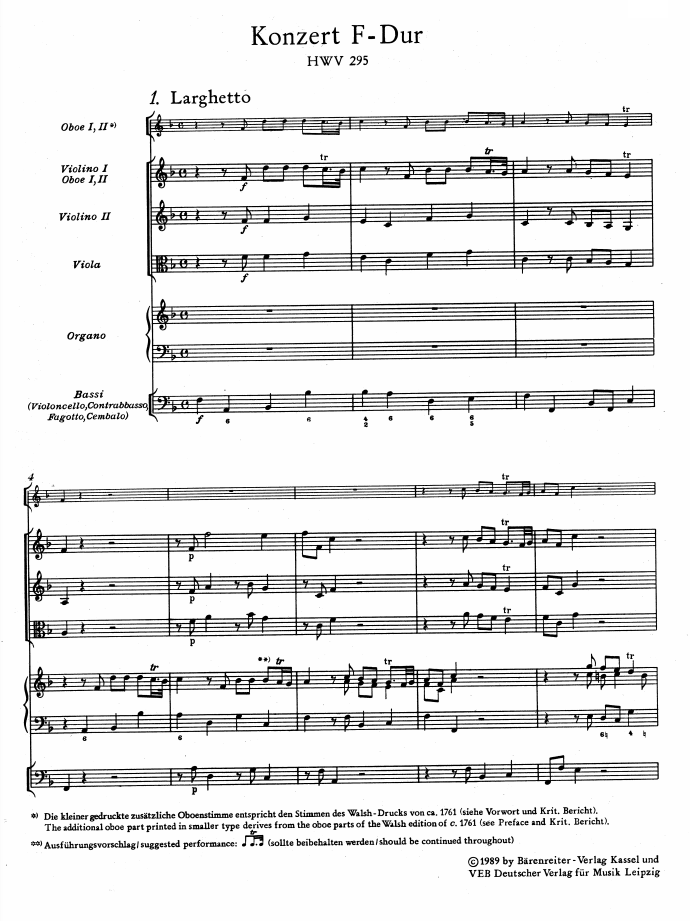
Georg Friedrich Händel (23 febbraio 1685 - 1759): Concerto in fa maggiore per organo e archi HWV 295, The Cuckoo and the Nightingale. Francesco Cera, organo; I Barocchisti, dir. Diego Fasolis.
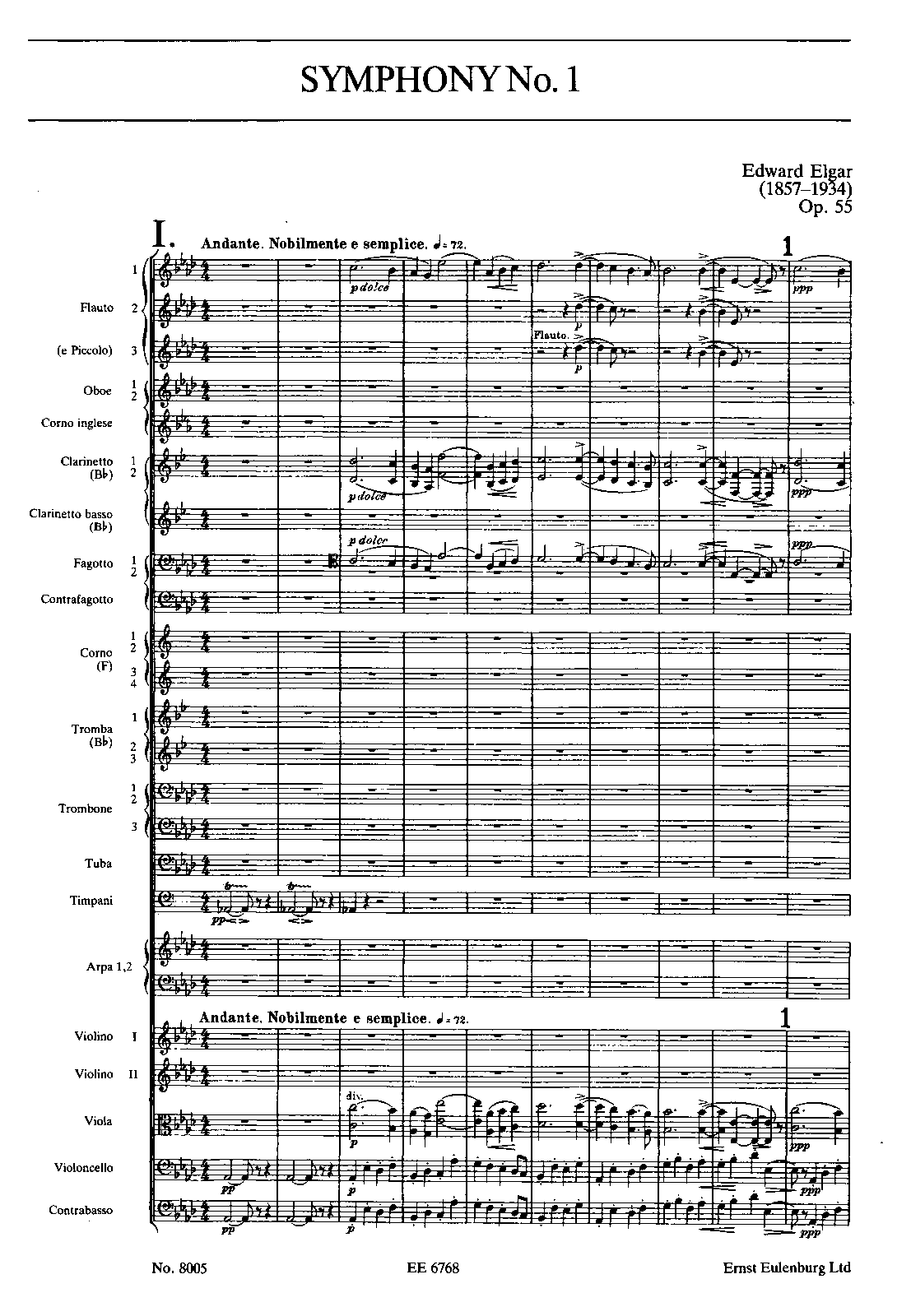
Sir Edward Elgar (1857 - 23 febbraio 1934): Sinfonia n. 1 in la bemolle maggiore op. 55 (1908). NDR Radiophilharmonie, dir. Andrew Manze.
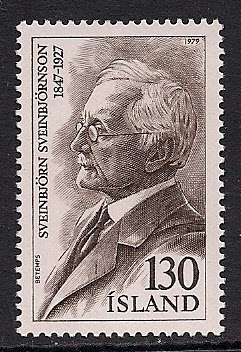 Sveinbjörn Sveinbjörnson (1847 - 23 febbraio 1927): Trio per pianoforte e archi in mi minore. Nína Margrét Gunnarsdóttir, pianoforte; Auður Hafsteinsdóttir, violino; Sigurgeir Agnarsson, violoncello.
Padre Terenzio Zardini (1923 - 23 febbraio 2000): Sonata I (quasi in do) per organo (1971). Pier Damiano Peretti all’organo Mascioni della Basilica di Monte Berico (Vicenza).
«È apparsa, in questo inizio di secolo, la tendenza ad ampliare il campo delle affinità tonali con l’allontanamento conseguente dall’atmosfera diatonica: un irrequieto evitare tutto ciò che sa di statico e di cadenzale, cioè di „previsto“, non tanto per rinnegarlo, ma perché se ne sente la distanza estetica e spirituale. […] Con il cromatismo di fine Ottocento il centro armonico era divenuto incerto ed oscillante, era presente sì, ma spesso mascherato se non sopraffatto. A questo eccesso di cromatismo bisognava reagire. La via era una sola: procedere ancora più in là; ogni ritorno indietro è un errore storico ed estetico. […] Ecco allora la più radicale ribellione: l’atonalismo» (P. Terenzio Zardini).

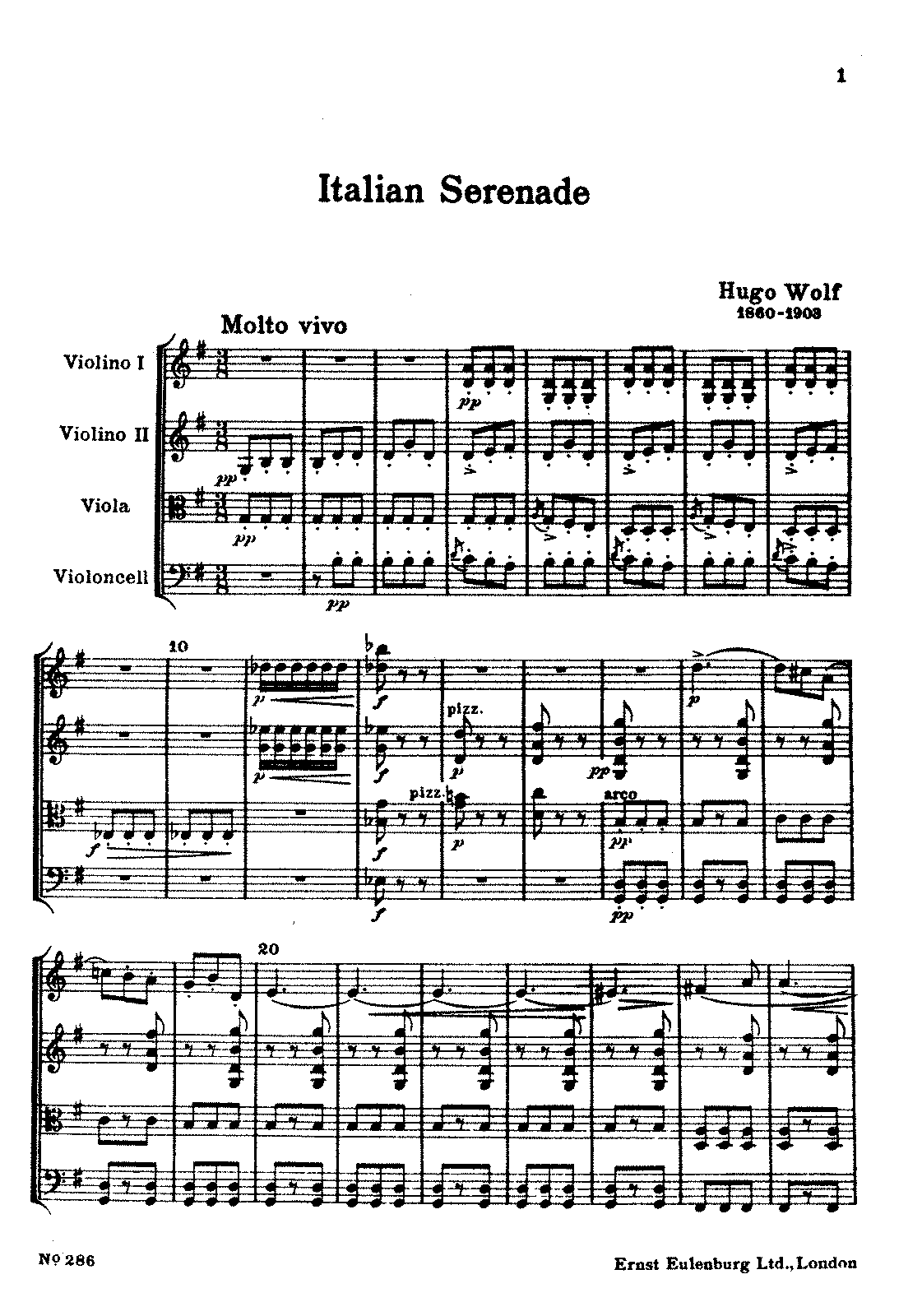
Hugo Wolf (1860 - 22 febbraio 1903): Italienische Serenade per quartetto d’archi (1887). The Doric String Quartet: Alex Redington e Jonathan Stone, violini; Hélène Clément, viola; John Myerscough, violoncello.
Lo stesso brano nella trascrizione per orchestra eseguita da Wolf nel 1892. Orpheus Chamber Orchestra.
João de Sousa Carvalho (22 febbraio 1745 - 1799 o 1800): Ouverture per la serenata Perseo (1778). Sinfonia B, dir. César Viana.

Luc Beauséjour interpreta la Toccata e Fuga in re minore, composta forse da J. S. Bach (BWV 565) o più probabilmente da Johann Peter Kellner (*), suonando un clavicembalo provvisto di due manuali e una pedaliera.
L’esistenza di strumenti consimili è documentata a partire dal Quattrocento: un clavichordum cum calcatorio è citato nel trattato enciclopedico Liber XX Artium (c1460) di Paulus Paulirinus ovvero Pavel Žídek; il disegno di un clavicordo con pedaliera si trovava in una copia manoscritta, ora perduta, risalente al 1467 dei Flores musice del teorico trecentesco Hugo von Reutlingen.
L’epoca di maggior diffusione del clavicembalo con pedaliera è comunque il Settecento, quando fu soprattutto usato dagli organisti per esercitarsi; ma è probabile che proprio per questo tipo di strumento Bach abbia composto le sei Triosonaten BWV 525-530.
Verso la metà dell’Ottocento ebbe una certa diffusione il pianoforte con pedaliera, strumento per il quale Schumann scrisse gli Studi op. 56, gli Schizzi op. 58 e le Fugen über BACH op. 60; anche Alkan e Gounod dedicarono alcune composizioni al pianoforte con pedaliera.
(*) Sull’argomento si veda l’ultima parte dell’articolo Falsi celebri.

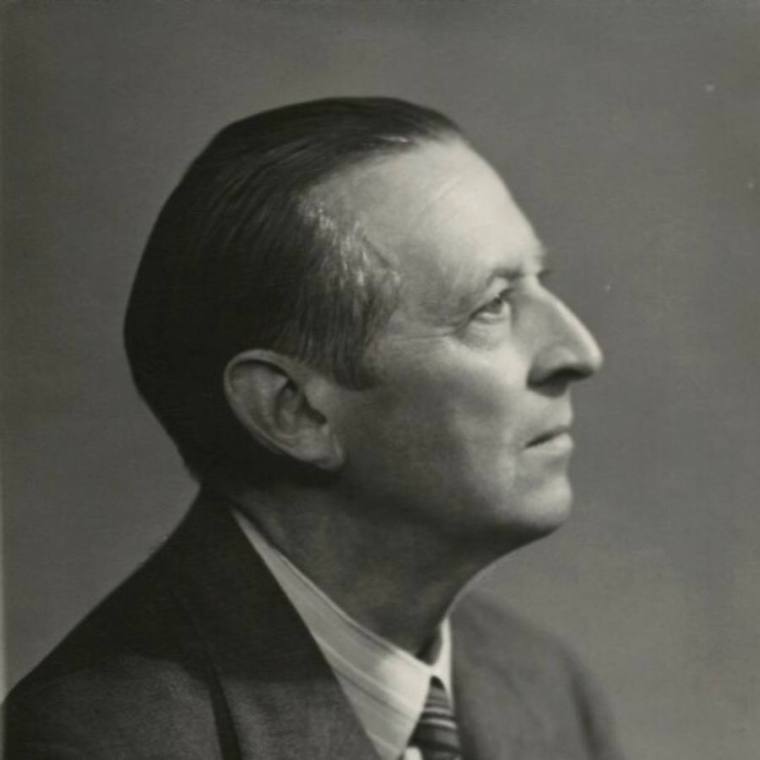
York Bowen (22 febbraio 1884 - 1961): Sibfonia n. 3 in mi minore op. 137 (1951). BBC Scottish Symphony Orchestra , dir. Ian Whyte.

 la regina gioiosa