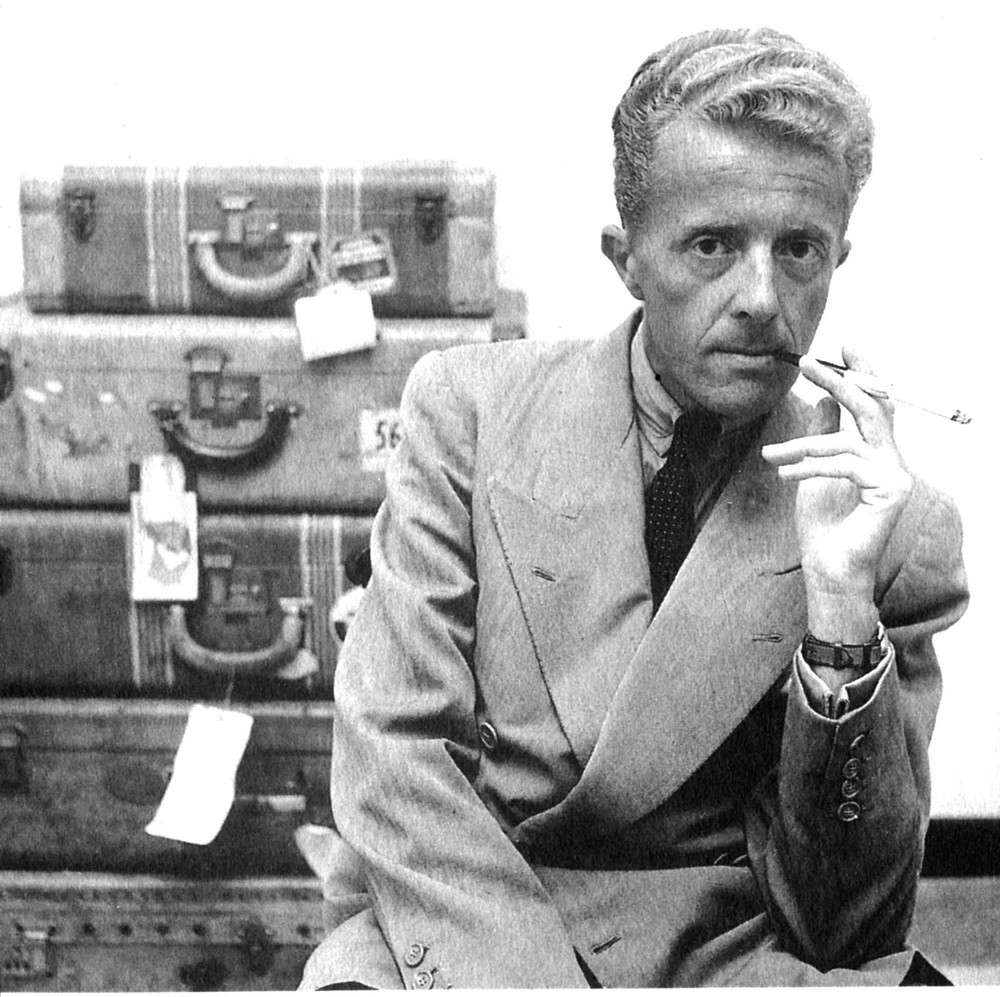
Angelo Panzini (22 novembre 1820 - 1886): Divertimento per pianoforte a sei mani sopra motivi dell’opera Il trovatore di Giuseppe Verdi (1854). Donato Biscione, Nicoletta Sciangalepore, Marianna Rossi.
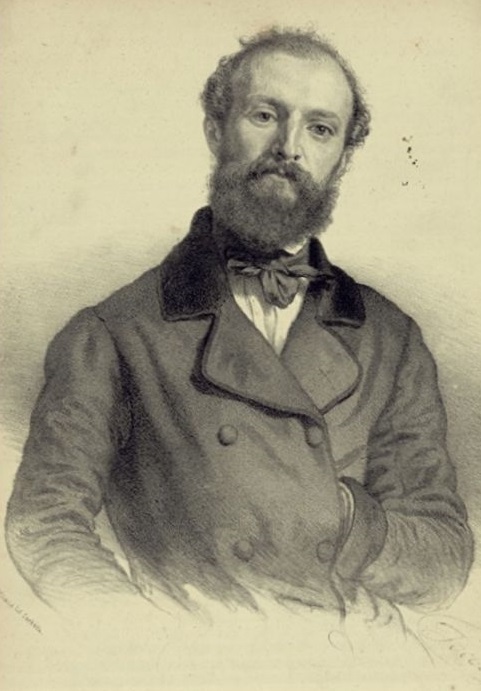
Angelo Panzini (22 novembre 1820 - 1886): Divertimento per pianoforte a sei mani sopra motivi dell’opera Il trovatore di Giuseppe Verdi (1854). Donato Biscione, Nicoletta Sciangalepore, Marianna Rossi.
Sigfrid Karg-Elert (21 novembre 1877 - 1933): Choral-Improvisation »Nun danket alle Gott« (Marche triomphale) op. 65 n. 59 (1909). Frans Pieck, organo.
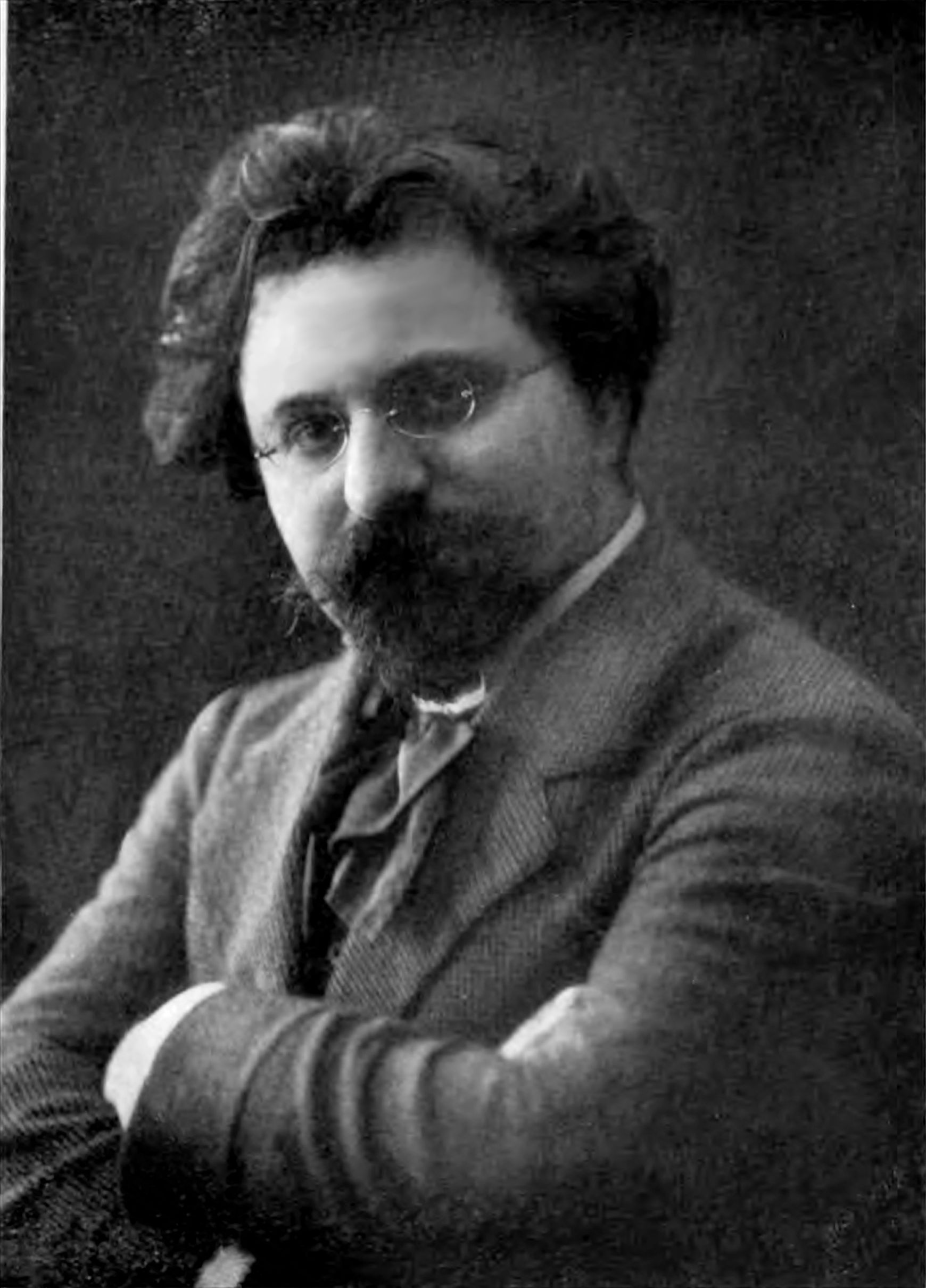
Joachim Mendelson (21 novembre 1892 - 1943): Sinfonia da camera (1938). Narodowa Orkiestra Symfoniczna Polskiego Radia, dir. Jürgen Bruns.

Georg Muffat (1653 - 1704): Impatientia, suite in si bemolle maggiore per orchestra (da Florilegium secundum, 1698, Fasciculus I, n. 4). Orchestra da camera della Società filarmonica di Budapest, dir. Tamás Sulyok.
Henry Purcell (1659 - 21 novembre 1695): «Canaries», dal V e ultimo atto della semi-opera tragicomica The Prophetess, or The History of Dioclesian (1695). Tafelmusik, dir. Jeanne Lamon.

 Karol Rathaus (1895 - 21 novembre 1954): Sinfonia n. 3 op. 50 (1942-43). Brandenburgisches Staatsorchester Frankfurt, dir. Israel Yinon.
Bernardo Pasquini (1637 - 21 novembre 1710): Toccata con lo scherzo del cucco. Lorenzo Ghielmi all’organo Rieger del Duomo di Essen (Renania Settentrionale-Vestfalia).

Ludwig van Beethoven (1770 - 1827): Fidelio, ouverture in mi maggiore per la 3ª e definitiva versione (1814) dell’opera omonima. Wiener Philharmoniker, dir. Claudio Abbado.
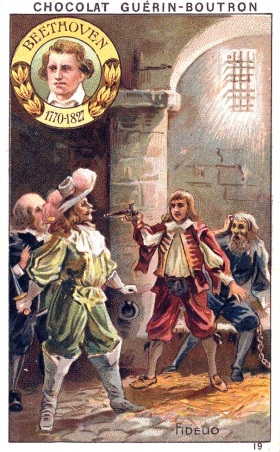
L’unica opera di Beethoven fu originariamente composta su un libretto che Joseph Sonnleithner aveva ricavato da un dramma di Jean-Nicolas Bouilly, Léonore, ou L’amour conjugal, andato in scena nel 1798 con parti cantate scritte da Pierre Gaveaux, il quale nella prima rappresentazione aveva sostenuto il ruolo del protagonista maschile, Florestan.
L’opera beethoveniana ebbe una gestazione travagliatissima: iniziata nel 1803, la composizione si trascinò, fra dubbi, pause e ripensamenti, fino al 1805. Fu rappresentata a Vienna, con il titolo Leonore oder Die eheliche Liebe (Leonore ovvero L’amor coniugale, op. 72), il 20 novembre di quell’anno al Theater an der Wien. Un insuccesso. I cantanti non erano dei migliori, l’opera era troppo lunga (3 atti) e il pubblico era costituito perlopiù da ufficiali francesi – la capitale asburgica era allora occupata dalle truppe napoleoniche – che non capivano il tedesco.
Nei mesi successivi Beethoven decise di sottoporre il lavoro a una profonda revisione, affidandosi per il libretto all’amico Stephan von Breuning. La nuova versione in 2 atti fu allestita, con il titolo Leonore (op. 72a), il 29 marzo 1806 nel medesimo teatro, e neanche questa volta ebbe successo. Otto anni dopo Beethoven tornò a rimaneggiare l’opera su richiesta del sovrintendente del Kärnthnerthor-Theater (Teatro di Porta Carinzia), dove andò in scena il 23 maggio 1814 con il titolo Fidelio (op. 72b) e libretto riscritto da Georg Friedrich Treitschke. Questa è la versione che si impose definitivamente.
Della faticosa gestazione del Fidelio sono testimonianza anche le quattro ouvertures che Beethoven scrisse per l’opera: una per la prima versione (nota anche come Leonore 2), una per la seconda (Leonore 3), una per una rappresentazione praghese mai realizzata (op. 138, detta Leonore 1), e infine quella del 1814. Delle Leonore, la più bella è senza dubbio la n. 3, un vero capolavoro che qui possiamo ascoltare eseguita dagli stessi interpreti di cui sopra:
Protagonista del Fidelio è appunto Leonore, una donna coraggiosa e determinata, assai più di tutti i comprimari messi insieme. La vicenda si svolge in Spagna, presso Siviglia, nel XVII secolo. — ATTO I. Florestan, marito di Leonore, è stato ingiustamente imprigionato per ordine del crudele Pizarro, governatore della prigione di Siviglia, suo nemico giurato. Per entrare nella prigione, dove Florestan è rinchiuso ormai da due anni, e tentare di aiutarlo, Leonore si traveste da uomo, assume il nome di Fidelio e si fa assoldare quale inserviente dal carceriere Rocco, un uomo di buon cuore che ha una figlia, Marzelline. Tutto questo è l’antefatto: la prima scena si svolge nel cortile della prigione, davanti all’abitazione di Rocco e Marzelline; quest’ultima è corteggiata da Jaquino, un dipendente del padre, ma è segretamente innamorata di Fidelio; Jaquino cerca di farsi benvolere da Marzelline, ma la giovane lo respinge. Giungono Fidelio e Rocco; il carceriere ha intuito quali siano i sentimenti della figlia e medita di darla in sposa a Fidelio. Consapevole di aver suscitato la simpatia di Rocco, Fidelio gli chiede di poter scendere con lui nei sotterranei: sa infatti che vi è rinchiuso un prigioniero importante e spera che questi sia Florestan. Intanto Pizarro viene a sapere che il ministro Don Fernando, sospettando irregolarità nella gestione del carcere, intende compiervi un’ispezione; Pizarro teme che Don Fernando scopra la prigionia di Florestan, amico carissimo del ministro, e decide di sopprimere il proprio nemico: comunica perciò a Rocco che il re ha condannato a morte Florestan e offre una borsa piena di monete d’oro al carceriere se ucciderà egli stesso il prigioniero. Rocco non ha cuore di accettare, tuttavia non può rifiutare di eseguire gli ordini del governatore: dovrà dunque procurare sepoltura al condannato, e in questo si farà aiutare da Fidelio. Più tardi, quando Fidelio e Marzelline gli chiedono di lasciare uscire dalle celle per breve tempo i prigionieri, Rocco accondiscende. Ma sopraggiunge Pizarro, che vedendo i carcerati in libertà va su tutte le furie; Rocco riesce a chetarlo, ricordandogli l’ordine che ha ricevuto e che sta per eseguire. I prigionieri, fra i quali non v’è Florestan, devono però ritornare in cella.
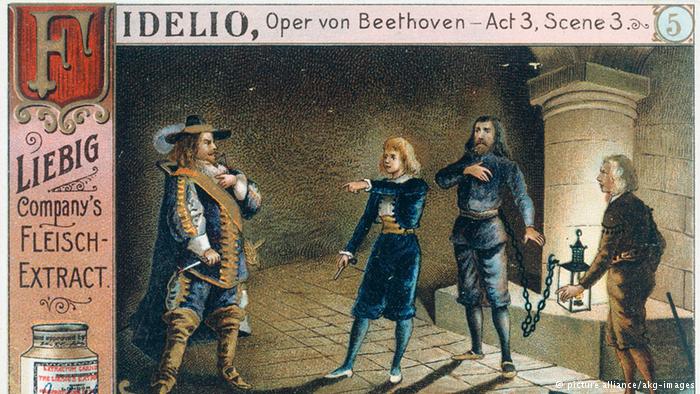
ATTO II. Florestan è incatenato in una cella sotterranea; sfinito, nel delirio crede di vedere Leonore e di poter fuggire con lei in un regno di libertà e felicità. Rocco scende nel sotterraneo per svuotare una cisterna in cui conta di gettare il corpo del condannato; il carceriere è accompagnato da Fidelio/Leonore, che vede il marito, gli si avvicina e lo riconosce. Sospettava già che il prigioniero da sopprimere fosse Florestan, e ora ne ha la conferma. In quel momento giunge Pizarro, deciso a uccidere con le proprie mani Florestan, ma Leonore si rivela e fa scudo al marito con il proprio corpo, poi minaccia il governatore con una pistola. Uno squillo di tromba annuncia l’arrivo di Don Fernando: Pizarro non ha scampo. Rocco rivela le trame del governatore al ministro, che fa uscire dalle celle i prigionieri e consegna solennemente a Leonore le chiavi con cui la donna stessa ridà la libertà a Florestan.
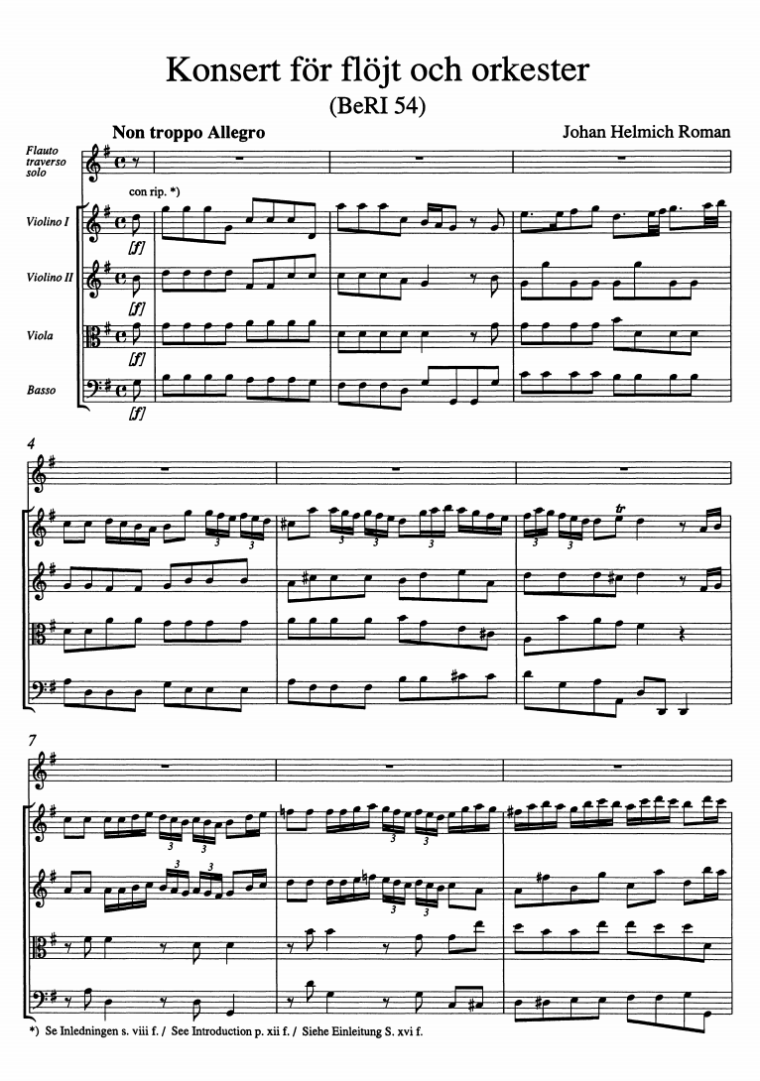
Johan Helmich Roman (1694 - 20 novembre 1758): Concerto in sol maggiore per flauto e orchestra BeRi 54. Lisa Beznosiuk, flauto; Orchestra of the Age of Enlightenment, dir. Anthony Halstead.
Pëtr Il’ič Čajkovskij (1840 - 1893): Времена года / Les Saisons op. 37a (1875-76), 11. Ноябрь: На тройке / Novembre: Troïka. Versione originale: Valentyna Lysycja, pianoforte. Trascrizione per orchestra di Aleksandr Gauk (1893 - 1963): Orchestra da camera di Mosca, dir. Constantine Orbelian.
Questa composizione fu pubblicata nel 1876, sul numero di novembre del periodico sanpietroburghese «Нувеллист» (Nuvellist), associata a versi di N. A. Nekrasov:
|
Не гляди же с тоской на дорогу, И за тройкой вослед не спеши, И тоскливую в сердце тревогу Поскорей навсегда затуши. |
Non guardare la strada con malinconia, non aver fretta di recuperare il ritardo con la trojka, e cancella per sempre la tristezza che brucia nel tuo cuore. |


Francesco Cilea (1866 - 20 novembre 1950): Sonata in re maggiore per violoncello e pianoforte op. 38 (1888). Massimo Macrì, violoncello; Giacomo Fuga, pianoforte.

Meredith Monk (20 novembre 1942) esegue Gotham Lullaby al Lensic Center for the Performing Arts di Santa Fe (New Mexico) nel 2004.

Remigius Falb (1714 - 20 novembre 1770): Pastorella Synphonia Quarta (1755). Roland Muhr, organo; Orchestra della Hochschule für Musik in München, dir. Günther Weiss.

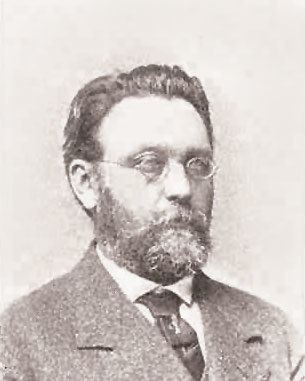 Albert Dietrich (1829 - 20 novembre 1908): Sinfonia in re minore op. 20 (1869), dedicata a Johannes Brahms. Oldenburgisches Staatsorchester, dir. Alexander Rumpf.
Remigio Renzi (1857 - 19 novembre 1938): Toccata in mi maggiore. Domenico Severin all’organo Mascioni della Chiesa di San Giorgio in Chirignago (Venezia).

Daniel-Lesur (nome d'arte di Daniel-Jean-Yves Lesur; 19 novembre 1908 - 2002): Symphonie de danses per archi, timpani e pianoforte (1958). Orchestre National de l’ORTF, dir. Louis de Froment (dal vivo, 1965).

Johann Hermann Schein (1586 - 19 novembre 1630): 3 Suites dal Banchetto musicale (1617). Collegium Terpsichore, dir. Fritz Neumeyer.

Luigi Cortese (19 novembre 1899 - 1976): Introduzione e Allegro per flauto e pianoforte op. 40 (1960). Chia-Lin Ko, flauto; Casey Rafn, pianoforte.

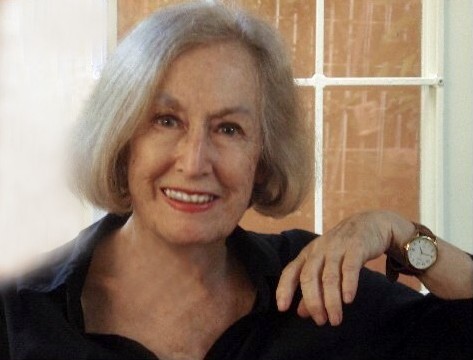
Betty Beath (19 novembre 1932): From a Quiet Place per viola e pianoforte (1997). Patricia Pollett, viola; Colin Spiers, pianoforte.
«I wrote From a Quiet Place for Patricia Pollett. I very much admire her musicianship. In performance she and her instrument are as one. I allowed this piece to come from that quiet place in which there is response to the intuitive within. Another influence was the vibrating, infinitely sweet, sometimes robust and dynamic sounds of Nepalese Singing Bowls. From a Quiet Place may be described as a meditative piece. I hoped to create a work in which simplicity, line and tone were important elements and I see the piano, which is performed here with great sensitivity by Colin Spiers, as fundamental in creating harmonic interest. It gives warmth and richness to the musical fabric.
«The work comprises three movements, which may be considered and performed as separate pieces. The first movement establishes a dialogue between viola and piano, the second moves through moods of tranquillity to exultation and final serenity, the third is a joyful, animated response to the pleasures of life» (Betty Beath).
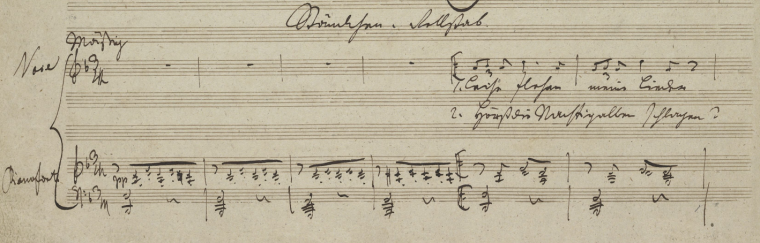
Franz Schubert (1797 - 19 novembre 1828): Ständchen, Lied D 957/4 (1828) su testo di Ludwig Rellstab. Peter Schreier, baritono; Walter Olbertz, pianoforte.
Leise flehen meine Lieder
Durch die Nacht zu Dir;
In den stillen Hain hernieder,
Liebchen, komm’ zu mir!
Flüsternd schlanke Wipfel rauschen
In des Mondes Licht;
Des Verräthers feindlich Lauschen
Fürchte, Holde, nicht.
Hörst die Nachtigallen schlagen?
Ach! sie flehen Dich,
Mit der Töne süßen Klagen
Flehen sie für mich.
Sie verstehn des Busens Sehnen,
Kennen Liebesschmerz,
Rühren mit den Silbertönen
Jedes weiche Herz.
Laß auch Dir das Herz bewegen,
Liebchen, höre mich!
Bebend harr’ ich Dir entgegen!
Komm’, beglücke mich!
Felice Blangini (18 novembre 1781 - 1841): La vielle, arietta buffa. Leonardo De Lisi, tenore; Orchestra della Compagnia dell’Opera Italiana, dir. Maurizio Benedetti.

Quando, per pura curiosità, ho cercato “home sweet home” nel web, sono rimasto alquanto sorpreso: nei primi 150 risultati della ricerca eseguita tramite Google, non compare nemmeno una volta il nome di Henry Bishop.
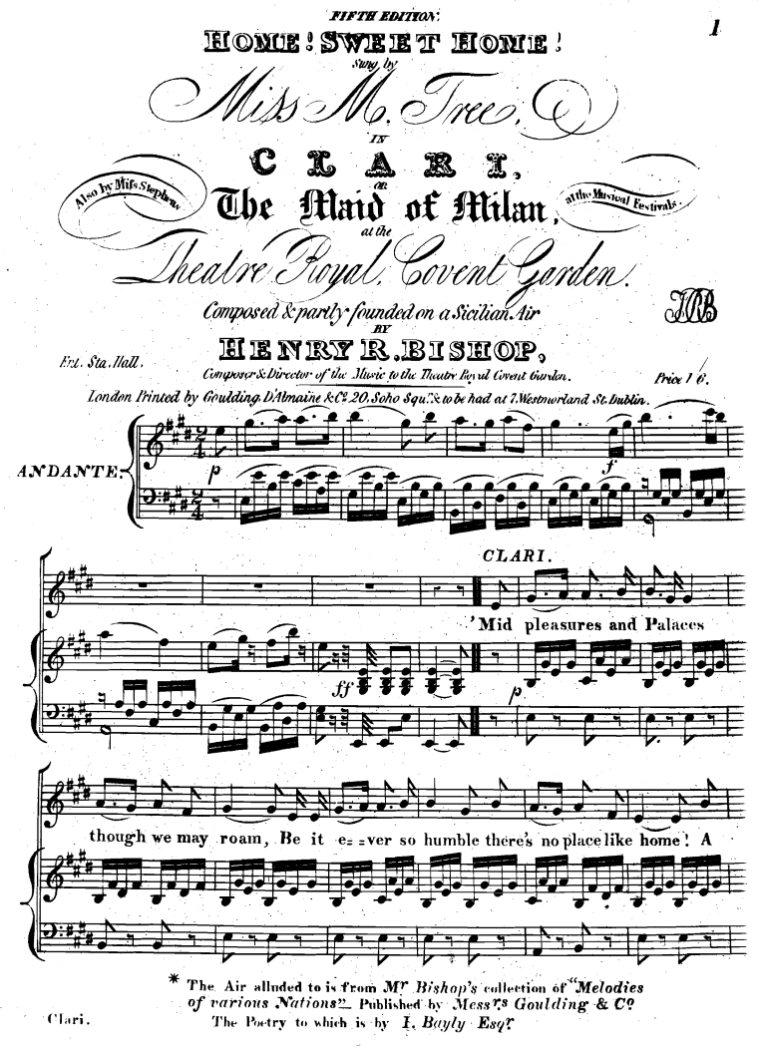
“Musicista?” chiederete voi. Certo: sir Henry Rowley Bishop (18 novembre 1786 - 1855) scrisse un gran numero di cantate, balletti e opere liriche; fra queste ultime si annovera Clari, or The Maid of Milan (1823), composta su libretto dello statunitense John Howard Payne: fa parte dell’opera l’aria «Mid pleasures and palaces» nota, per via del refrain, appunto con il titolo Home! Sweet Home! Qui potete ascoltarla nell’interpretazione del soprano Greta Bradman accompagnata dall’arpista Suzanne Handel:
Mid pleasures and palaces though we may roam,
Be it ever so humble, there’s no place like home;
A charm from the skies seems to hallow us there,
Which seek thro’ the world, is ne’er met elsewhere.
Home! Home!
Sweet, sweet home!
There’s no place like home,
There’s no place like home!
An exile from home splendor dazzles in vain.
Oh, give me my lowly thatched cottage again,
The birds singing gaily that came at my call
And gave me the peace of mind, dearer than all.
Home! Home!
Sweet, sweet home!
There’s no place like home,
there’s no place like home!
Home! Sweet Home! venne pubblicato come brano a sé stante, in un primo tempo con la dicitura «composed and partly founded on a Sicilian Air» (in seguito Bishop ammise di aver inventato questo particolare a scopo promozionale). Divenne subito incredibilmente popolare: in breve tempo ne furono vendute oltre centomila copie. Nel 1852, curata dall’autore, ne uscì una nuova edizione a stampa come parlour ballad (cioè, in sostanza, una romanza da camera), e in questa veste ottenne ampio successo anche negli Stati Uniti: difatti, ancora oggi è spesso presente nelle antologie di musiche risalenti agli anni della guerra di secessione (1861-1865).
La vasta popolarità di cui Home! Sweet Home! godette nel corso dell’Ottocento è testimoniata dal fatto che la sua melodia è citata in varie composizioni dell’epoca. Già nel 1827 venne utilizzata dallo svedese Franz Berwald (1796 - 1868) nella sezione mediana, Andante con variazioni, del suo Konzertstück per fagotto e orchestra op. 2 — qui interpretato da Patrik Håkansson con l’Orchestra sinfonica di Gävle diretta da Petri Sakari:
[l’Andante con variazioni ha inizio a 5:43]
Altra citazione celebre si trova all’inizio della «scena della pazzia» (aria «Cielo, a’ miei lunghi spasimi», atto II, scena 3ª) nella tragedia lirica Anna Bolena, rappresentata nel 1830, di Donizetti (1797 - 1848) — ascoltate Maria Callas:
Risale al 1855 circa l’opus 72 di Sigismond Thalberg (1812 - 1871), Home! Sweet Home! Air Anglais varié per pianoforte; nel video qui sotto è eseguito da Dennis Hennig:
Un’altra breve serie di variazioni, per cornetta a pistoni sola, si deve a Jean-Baptiste Arban (1825 – 1889); per ascoltarla (o riascoltarla) — potete farlo leggendo (o rileggendo) allo stesso tempo uno spassoso racconto di Jerome K. Jerome — cliccate qui.
Voglio menzionare ancora, per finire, la Fantaisie sur deux mélodies anglaises per organo op. 43 di Alexandre Guilmant (1837 - 1911): in questa composizione, del 1887 circa, Home! Sweet Home! è associato a un altro famosissimo brano inglese, Rule, Britannia! di Thomas Arne (1710 - 1778). Ecco la Fantaisie di Guilmant eseguita da Bernhard Schneider all’organo Klais della Chiesa di Sankt Aegidien in Braunschweig:
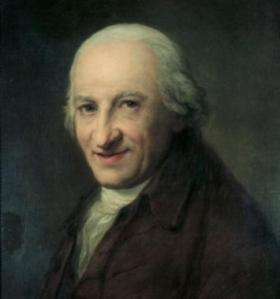 Carl Friedrich Fasch (18 novembre 1736 - 1800): Concerto in mi maggiore per tromba, violino, oboe d’amore, archi e continuo. Gabriele Cassone, tromba; Massimo Spadano, violino; Alfredo Bernardini, oboe d’amore e direzione; Zefiro Baroque Orchestra.
Jean-Baptiste Loeillet, detto «Loeillet di Londra» (18 novembre 1680 - 1730): Triosonata in fa maggiore op. 2 n. 2 (1725). Ensemble Pro Musica Antiqua.
Jean-Baptiste Loeillet, detto «Loeillet di Gand» (1688 - c1720): Triosonata in la minore op. 1 n. 1 (1710). Daniel Rothert, flauto dolce; Vanessa Young, violoncello; Ketil Haugsand, clavicembalo.
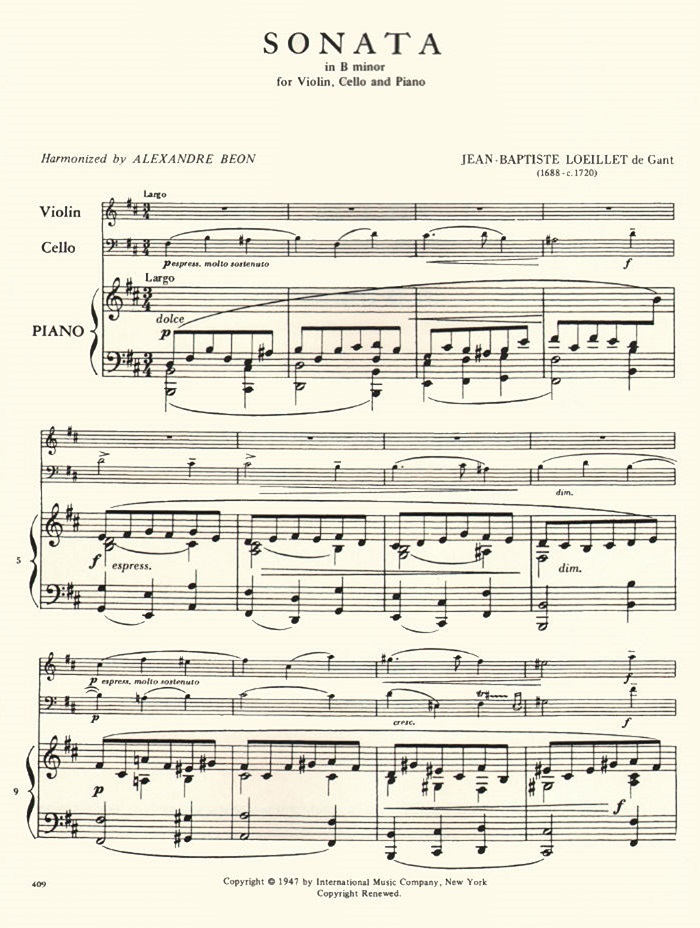
I due Jean-Baptiste erano cugini di primo grado. In passato l’omonimia creò qualche problema di attribuzione: nel 1909 il compositore francese Alexandre Béon (1862 - 1912) arrangiò per violino, violoncello e pianoforte una triosonata del Loeillet di Londra e l’attribuì al Loeillet di Gand. L’arrangiamento in questione è molto bello; eccolo nell’interpretazione dell’Eroica Trio:
Paul Bowles (1910 - 18 novembre 1999): Sonatina fragmentaria (1933). Oksana Lutsyshyn.
 Eduard Marxsen (1806 - 18 novembre 1887): Lied ohne Worte in si maggiore per pianoforte op. 37. Anthony Spiri.
 Heitor Villa-Lobos (1887 - 17 novembre 1959): Bachianas brasileiras n. 5 per soprano e otto violoncelli (1938-45) su testi di Ruth Valladares Corrêa (1904 - c1963) e Manuel Bandeira (1886 - 1968). Renée Fleming, soprano; Kenneth Freudigman (solista), Sofia Zappi, Alexander East, Pamela Smits, Damon Coleman, Robert Vos, Brad Ritchie e Eran Meir, violoncelli; dir. Michael Tilson Thomas.
I. Ária (Cantilena); testo di Ruth Valadares Corrêa
Tarde uma nuvem rósea lenta e transparente.
Sobre o espaço, sonhadora e bela!
Surge no infinito a lua docemente,
Enfeitando a tarde, qual meiga donzela
Que se apresta e a linda sonhadoramente,
Em anseios d’alma para ficar bela
Grita ao céu e a terra toda a Natureza!
Cala a passarada aos seus tristes queixumes
E reflete o mar toda a Sua riqueza…
Suave a luz da lua desperta agora
A cruel saudade que ri e chora!
Tarde uma nuvem rósea lenta e transparente
Sobre o espaço, sonhadora e bela!
II. Dança (Martelo); testo di Manuel Bandeira [6:38]
Irerê, meu passarinho
Do sertão do cariri,
Irerê, meu companheiro,
Cadê viola?
Cadê meu bem?
Cadê maria?
Ai triste sorte a do violeiro cantadô!
Sem a viola em que cantava o seu amô,
Seu assobio é tua flauta de irerê:
Que tua flauta do sertão quando assobia,
A gente sofre sem querê!
Teu canto chega lá do fundo do sertão
Como uma brisa amolecendo o coração.
Irerê, solta teu canto!
Canta mais! Canta mais!
Pra alembrá o cariri!
Canta, cambaxirra!
Canta, juriti!
Canta, irerê!
Canta, canta, sofrê!
Patativa! Bem-te-vi!
Maria-acorda-que-é-dia!
Cantem, todos vocês,
Passarinhos do sertão!
Bem-te-vi!
Eh sabiá!
Lá! Liá! liá! liá! liá! liá!
Eh sabiá da mata cantadô!
Lá! Liá! liá! liá!
Lá! Liá! liá! liá! liá! liá!
Eh sabiá da mata sofredô!
O vosso canto vem do fundo do sertão
Como uma brisa amolecendo o coração.
Biagio Marini (1594 - 17 novembre 1663): Sonata variata in la minore per violino e basso continuo (pubblicata in Sonate, symphonie, canzoni, etc. op. VIII, 1626, n. 58). Ensemble Helianthus: Olivia Centurioni, violino; Evangelina Mascardi, tiorba.

 Thomas Ford (c1580 - sepolto il 17 novembre 1648): Faire, sweet, cruell, ayre (pubblicato in Musicke of Sundrie Kindes, 1607, vol. I, n. 7). Victoria Cassano, soprano; Javier Ovejero Mayoral, liuto.
Faire, sweet, cruell, why doest thou flie mee,
Goe not, oh goe not from thy deerest,
Though thou doest hasten I am nie thee,
When thou see’mst farre then am I neerest,
Tarrie then and take me with you.
Fie, fie, sweetest here is no danger,
Flie not, oh flie not loue pursues thee,
I am no foe, nor forraine stranger,
Thy scornes with fresher hope renewes me,
Tarrie then and take me with you.
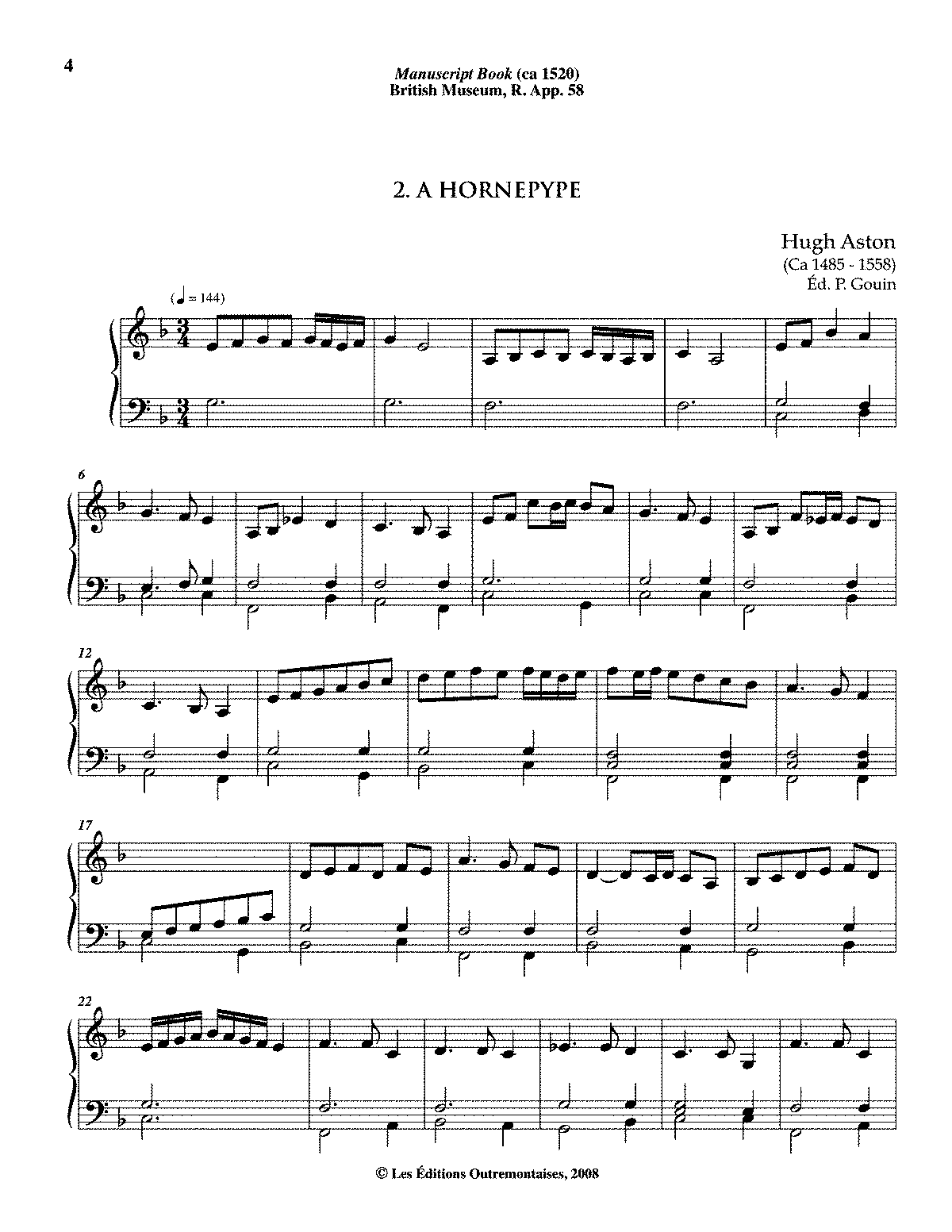
Hugh Aston (c1485 - 17 novembre 1558): A Hornepype. Marco Lo Muscio, organo.
Secondo alcuni studiosi, questa hornpipe è da considerarsi uno dei primissimi brani che siano stati composti in quello che viene chiamato «stile idiomatico», cioè tenendo conto delle caratteristiche tecniche, acustiche e espressive degli strumenti cui sono destinati.
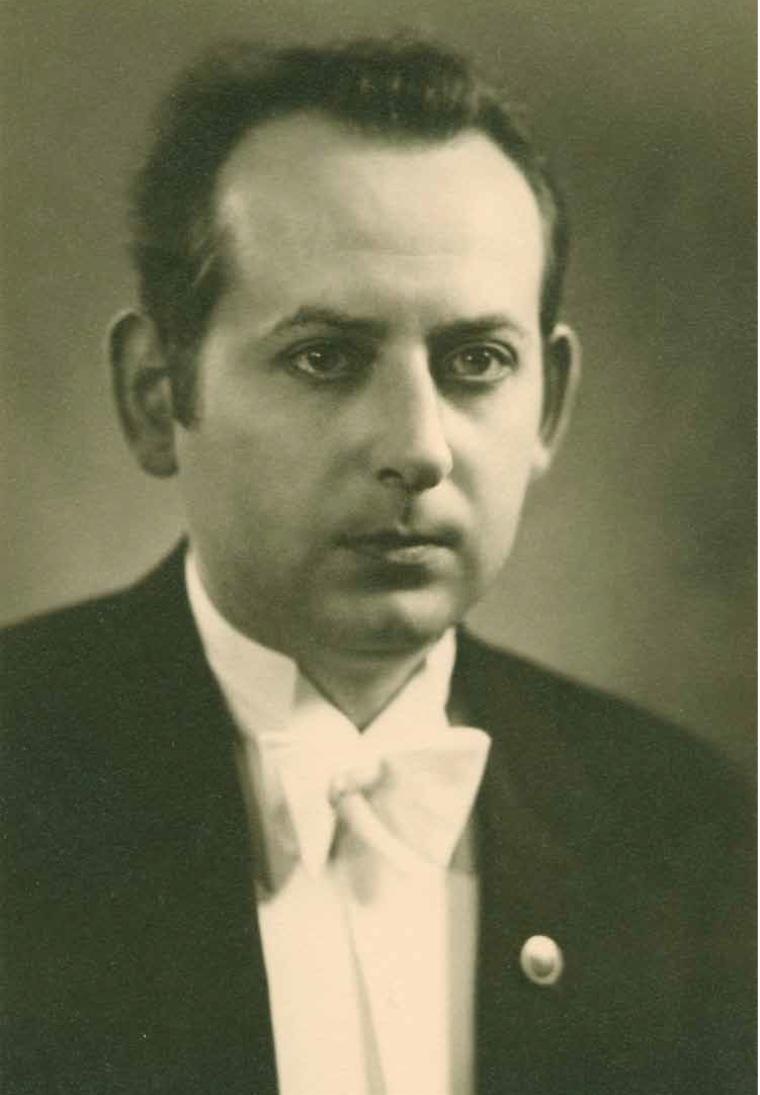
Eduard Tubin (1905 - 17 novembre 1982): Sinfonia n. 2 in si minore, Legendaarne (1937). Sveriges Radios Symfoniorkester, dir. Neeme Järvi.
Have a WordPress.com account? Log in now.