Anonimo (sec. XVI-XVII): Passava Amor, su arco desarmado, romance su testo di Jorge de Montemayor (da Los siete libros de la Diana, 1559). Olga Pitarch, soprano; ensemble Faenza, dir. Marco Horvat.
Passava Amor, su arco desarmado,
los ojos baxos, blando y muy modesto:
dexávame ya atrás muy descuydado.
¡Quán poco espacio pude gozar esto!
Fortuna, de embidiosa, dixo luego:
– ¡Teneos, Amor! ¿Por qué vais [passáis] tan presto?
Bolvió de presto a mí el niño ciego,
muy enojado en verse reprehendido,
que no hay reprehensión do está su fuego.
Ay, prados, bosques, selvas que criastes
tan libre coraçón como era el mío:
¿Por qué tan grave mal no le estorvastes?
Passava Amor è il primo dei tre romances su testo spagnolo inclusi da Robert Dowland nella raccolta A Musicall Banquet (Londra 1610, n. XIV)
Clément Janequin (c1485 - 1558): la Guerre (la Bataille de Marignan), chanson a 4 voci (1555). Ensemble «Clément Janequin».
La partitura è interessantissima: leggendola e insieme ascoltando il brano, sono tutte da gustare le numerose onomatopee. Ecco il testo, per chi non sa (o non vuole) leggere la musica:
1ère partie :
Escoutez, tous gentilz Galloys,
La victoire du noble roy Françoys.
Et orrez, si bien escoutez,
Des coups ruez de tous costez.
Phiffres, soufflez,
Frappez, tambours, toujours!
Aventuriers, bons compagnons,
Ensemble croisez vos bastons.
Bendez soudain, gentils Gascons.
Nobles, sautez dans les arçons,
La lance au poing hardiz et prompts,
Comme lyons!
Haquebutiers, faites vos sons!
Armes bouclez, frisques mignons.
Donnez dedans! Frappez dedans!
Alarme, alarme.
Soyez hardiz, en joye mis.
Chacun s’assaisonne,
La fleur de lys,
Fleur de haut pris,
Y est en personne.
Suivez Françoys,
Le roy Françoys,
Suivez la couronne!
Sonnez trompettes et clarons,
Pour resjouyr les compagnons.
2ème partie :
Fan fre le le,
Fan fan feyne,
Fa ri ra ri ra,
A l’étendard,
Tous avant,
Boutez selle,
gens d’armes à cheval,
Frere le le fan fan.
Bruyez, tonnez,
Bombardes et canons,
Tonnez gros couteaux et faulcons,
Pour secourir les compagnons.
Von pa ti pa toc,
Ta ri ra ri ra ri ra reyne,
Pon, pon, pon, pon,
Courage, courage,
Donnez des horions.
Chipe, chope, torche, lorgne,
Pa ti pa toc,
Tric, trac zin zin,
Tue! à mort; serre,
Courage prenez,
Frappez, tuez.
Gentils galants, soyez vaillants,
Frappez dessus, ruez dessus,
Fers émolus, chiques dessus,
Alarme, alarme!
Ils sont confus, ils sont perdus,
Ils montrent les talons.
Escampe toute frelore,
La tintelore,
Ils sont défait.
Victoire au noble roy Françoys,
Escampe toute frelore bigot.
Andrea Gabrieli (c1533 - 1585): Aria della battaglia per sonar d’istrumenti da fiato (pubbl. 1590), trascrizione della chanson di Janequin. Symposium musicum, dir. Miloslav Klement.
La battaglia di Marignano, passata alla storia come «battaglia dei giganti», ebbe luogo fra il 13 e il 14 settembre 1515.
Girolamo Frescobaldi (13 settembre 1583 - 1643): Canzona nona detta la Gualterina a due canti (dal Primo libro delle canzoni, 1628).
A 3:10: Biagio Marini (1587 - 1663): La Cornera, sinfonia a 2 (dagli Affetti musicali, 1617). Ensemble Reversio.
Per alcuni anni la Gualterina servì quale “sigla” per l’inizio delle trasmissioni in radiostereofonia del V canale della Filodiffusione Rai.
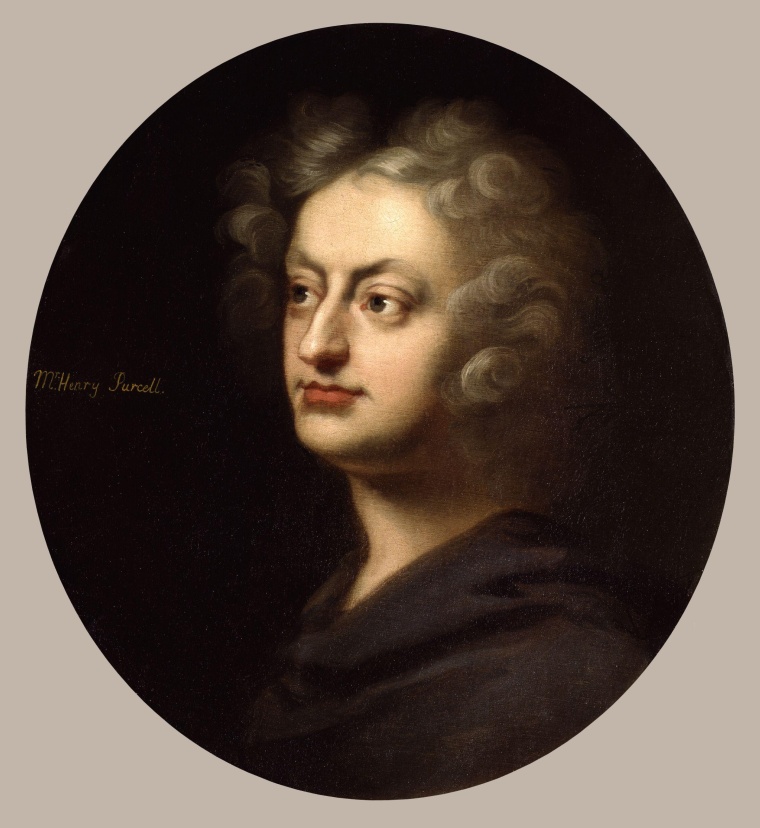
Alcuni catches (canoni) a 3 e a 4 voci di Henry Purcell (10 settembre 1659 - 1695) interpretati da Alfred Deller con il suo Consort.
Come, let us drink,
’Tis in vain to think
Like fools on grief or sadness:
Let our money fly,
And our sorrows dye,
All worldly care is madness.
But wine and good cheer
Will in spight of our fear
Inspire our hearts with mirth, boys;
The time we live
To wine let us give,
Since all must turn to Earth, boys.
Hand about the bowl
The delight of my soul,
And to my hand commend it;
A fig for chink
’Twas made to buy drink,
And before we go hence we’ll spend it.
Prithee hen’t so sad and serious,
Nothing’s got by grief or cares;
Melancholy’s too imperious,
When it comes, still domineers.
But if bus’ness, love or sorrow
That possesses thus thy mind,
Bid ’em come again tomorrow,
We are now to mirth inclin’d.
Let the glass run its round
And each good fellow keep his ground,
And if there be any flincher found
We’ll have his soul new coin’d.
I gave her cakes and I gave her ale,
I gave her sack and sherry;
I kiss’d her once and I kiss’d her twice,
And we were wondrous merry.
I gave her beads and bracelets fine,
I gave her dold down-derry;
I thought she was a-fear’d till she strok’d my beard,
And we were wondrous merry.
Merry my heart, merry my cocks,
Merry my sprites, hey down-derry;
I kiss’d her once and I kiss’d her twice,
And we were wondrous merry.
’Tis women makes us love,
’Tis love that makes us sad,
’Tis sadness makes us drink,
And drinking makes us mad.
Segnalo che anche Enzo Martinelli ha voluto ricordare Henry Purcell nel suo genetliaco 🙂
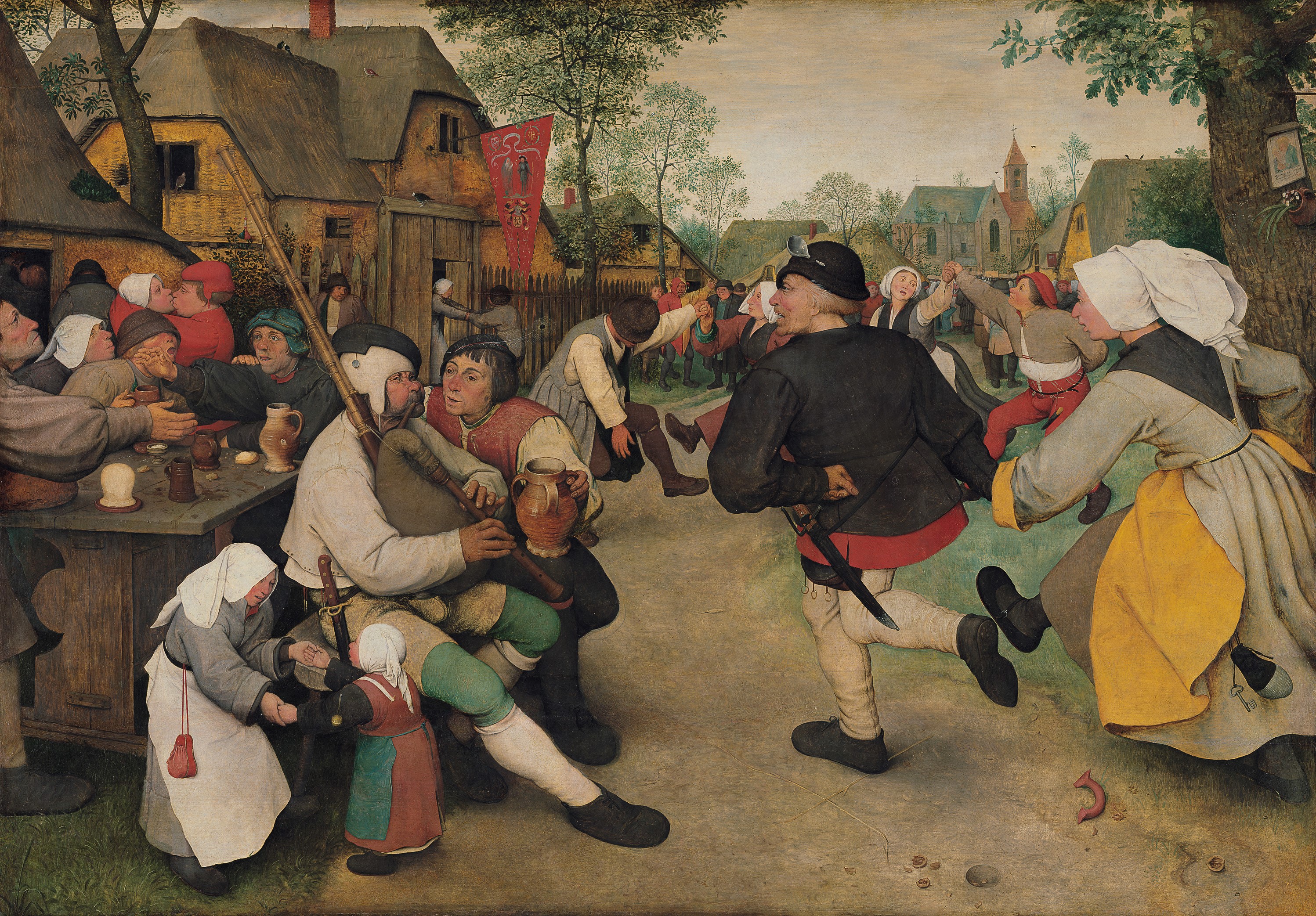
Pieter Bruegel il Vecchio (c1525 - 9 settembre 1569): Danza di contadini (c1568).
Mentre ammirate il famoso dipinto (cliccando sull’immagine la si ingrandisce) potete ascoltare la rinomata Bergerette «Sans Roch», tratta dal pregiatissimo Terzo libriccino di musica (1551) dell’esimio Tielman Susato, nella nota interpretazione del celebre New London Consort diretto dal famigerato Philip Pickett.
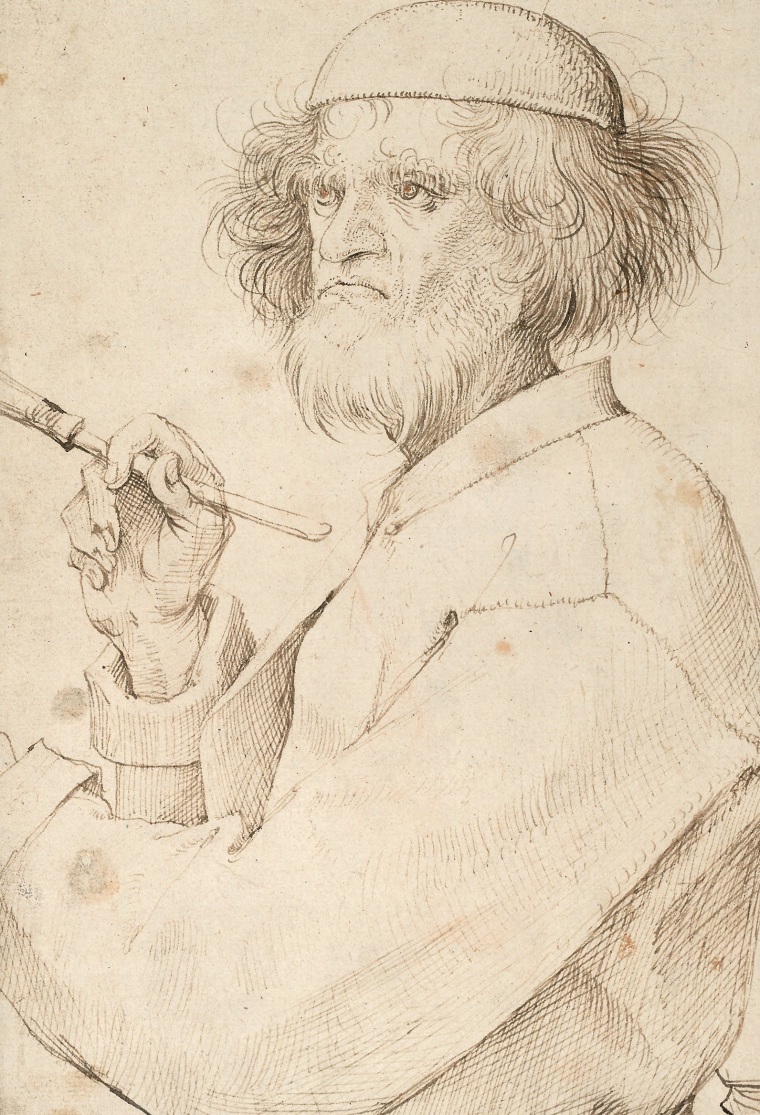
Presunto autoritratto di Pieter Bruegel il Vecchio
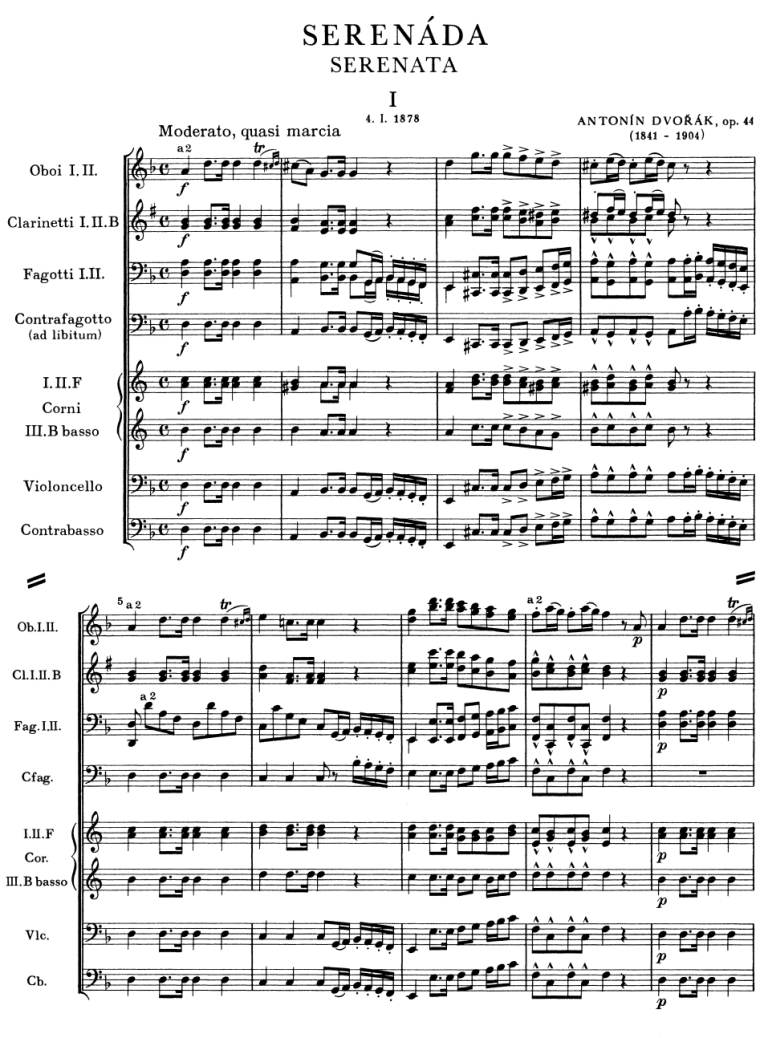
Antonín Dvořák (8 settembre 1841 - 1904): Serenata in re minore per 10 strumenti a fiato (2 oboi, 2 clarinetti, 2 fagotti, controfagotto ad libitum e 3 corni), violoncello e contrabbasso op. 44 (1878). Membri dell’Orchester des Bayerischen Rundfuks, dir. Rafael Kubelík.
Philip Glass (1937): cinque danze (nn. 1, 2, 5, 8 e 9) dal balletto In the Upper Room (1986). Philip Glass Ensemble, dir. Michael Riesman.
Il balletto, coreografato da Twyla Tharp, fu presentato al pubblico il 26 agosto 1986 come Untitled. In seguito Tharp ebbe l’idea di ribattezzarlo con il titolo attuale prendendo spunto da un inno cristiano per la Pentecoste, In the upper room at Jerusalem ovvero Prayer for the Power: il testo, del rev. James Bruce Mackay, fa riferimento a un passo degli Atti degli apostoli (1:13) in cui si dice che i discepoli di Gesù erano soliti riunirsi « in una stanza al piano superiore » dove ricevettero poi lo Spirito Santo, il quale si manifestò loro, annunciato da un vento impetuoso, sotto forma di « lingue di fuoco che si dividevano e si posarono su ciascuno » (Atti 2:2-3). Il titolo del balletto non allude però a esperienze mistico-religiose: la Upper Room è in realtà la mente dell’artista, visitata dal vento e dal fuoco dell’ispirazione.
Anonimo (regione francese, sec. XVII): Quand je menai mes chevaux boire, chanson tradizionale francese (bretone o normanna). Claire Lefilliâtre, soprano; Le Poème Harmonique, dir. Vincent Dumestre.
Quand je menai mes chevaux boire,
ilaire, ilaire, itou, ilaire,
ilaire, oh, ma Nanette,
Quand je menai mes chevaux boire
j’entendis le coucou chanter.
Il me disait dans son language:
Ta bien aimée vont l’enterrer.
Ah! que dis-tu, méchante bête,
j’étais près d’elle hier au soir.
Mais quand je fus dedans la lande
j’entendis les cloches sonner.
Mais quand je fus dedans l’église
j’entendis les prêtres chanter.
Donnai du pied dedans la chasse.
Réveillez-vous si vous dormez.
Non je ne dors ni ne sommeille:
je vous attend dedans l’Enfer.
Vois: ma bouche est pleine de terre
et la tienne est pleine d’amour.
Auprès de moi reste une place
et c’est pour toi qu’on l’a gardée.
Vincenzo Righini (1756 - 19 agosto 1812): Placido zeffiretto, arietta per voce e strumento a tastiera su testo di Pietro Metastasio (con alcune varianti). Patrice Michaels Bedi, soprano; David Schrader, fortepiano.
Placido zeffiretto,
Se trovi il caro oggetto
Digli che sei sospiro;
Ma non gli dir di chi.
Limpido ruscelletto,
Se trovi il caro oggetto
Digli che pianto sei,
Ma non le dir qual ciglio
Crescer ti fè cosi.
Antonio Vivaldi (1678 - 1741) : «Placido zeffiretto», aria (n. 3) dalla cantata T’intendo, si mio cor per soprano e basso continuo RV 668 sul medesimo testo del Metastasio. Rossana Bertini, soprano; Modo Antiquo, dir. Federico Maria Sardelli.
Placido zeffiretto,
Se trovi il caro oggetto/bene
Dille che sei sospiro;
Ma non le dir di chi.
Limpido ruscelletto,
Se mai t’ incontri in lei,
Dille che pianto sei,
Ma non le dir qual ciglio
Crescer ti fè cosi.
Lukas Foss (15 agosto 1922 - 2009): Paradigm «for my Friends» per ensemble (1968, rev. 1969). Jan Williams, percussioni; Stephen Bell, chitarra elettrica; Charles Haupt, violino; Jerry Kirkbride, clarinetto; Marijke Verberne, violoncello; George Ritscher, suoni elettronici; diretto dall’autore.
Session
Reading
Recital
Lecture
« L’arte non ha funzione d’intrattenimento: i monumenti d’arte che costruiamo servono a questo, a introdurre qualcosa che trasformi la nostra vita. In ciascuna musica c’è sempre una verità che si dice e che non ha bisogno di essere spiegata. Non ha torto Mahler quando afferma che ogni musica è musica a programma. La mer di Debussy è musica a programma. Ma lo stesso Debussy non avrebbe scritto La mer se avesse voluto soltanto descrivere il mare: c’è qualcosa di più che la sua descrizione, c’è l’amore per il mare e la sensazione del mare » (Lukas Foss).
Girolamo Giacobbi (10 agosto 1567 - 1629): Magnificat a 18 voci (dalla raccolta Prima Parte de i Salmi Concertati a due, e piu chori, 1609). Color Temporis, dir. Alberto Allegrezza.
Lorenzo Ratti (c1589 - 10 agosto 1630): Si bona suscepimus, mottetto a voci e strumenti; testo da Giobbe 2:10 e 1:21. Ensemble Concerto romano e Li sacri cornetti, dir. Alessandro Quarta.
Si bona suscepimus de manu Dei,
mala autem quare non sustineamus?
Dominus dedit, Dominus abstulit; sicut Domino placuit, ita factum est:
sit nomen Domini benedictum.
Nudus egressus sum de utero matris meae, et nudus revertar illuc.
Oswald von Wolkenstein (c1377 - 2 agosto 1445): Ain graserin durch kúlen tau. Ensemble für frühe Musik Augsburg.
Ain graserin durch kúlen tau
mit weissen, blossen fússlin zart
hat mich erfreut in grúner au;
das macht ir sichel brawn gehart,
do ich ir half den gattern rucken,
smucken fúr die schrencken,
lencken, sencken in die seul,
wolbewart, damit das freul
hinfúr an sorg nicht fliesen möcht ir gensel.
Als ich die schön her zeunen sach,
ain kurze weil ward mir ze lanck,
bis das ich ir den ungemach
tett wenden zwischen zwaier schranck.
mein häcklin klein hett ich ir vor
embor zu dienst gewetzet,
gehetzet, netzet; wie dem was,
schúbren half ich ir das gras.
«Zuck nicht, mein schatz!»
«Simm nain ich, lieber Jensel.»
Als ich den kle hett abgemät
und all ir lucken wolverzeunt,
dannocht gert si, das ich jät
noch ainmal inn der nidern peunt;
ze lon wolt si von rosen winden,
binden mir ain krenzel.
«Swenzel, renzel mir den flachs!»
«Treut in, wiltu, das er wachs!
herz liebe gans, wie schön ist dir dein grensel.»
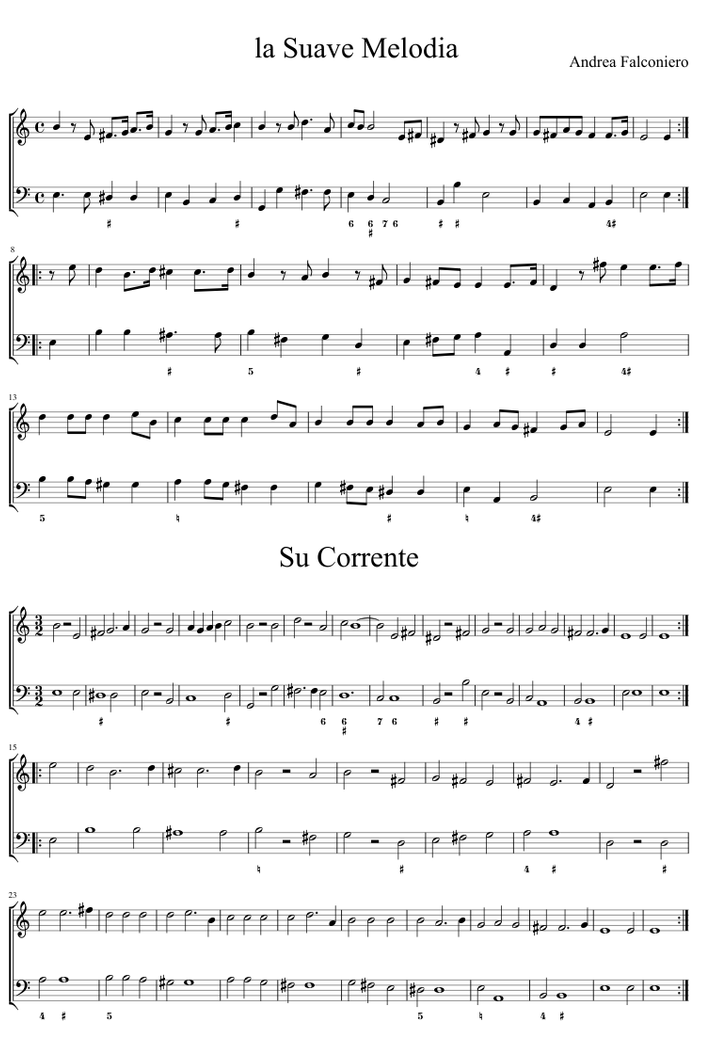
Andrea Falconiero o Falconieri (c1585 - 29 luglio 1656): La Suave Melodia e Su Corrente, dal I Libro di canzone, sinfonie, fantasie… (1650). La Musa Armonica: Lina Manrique, viola da gamba; Parsival Castro, tiorba; Diogo Rodrigues, chitarra barocca.
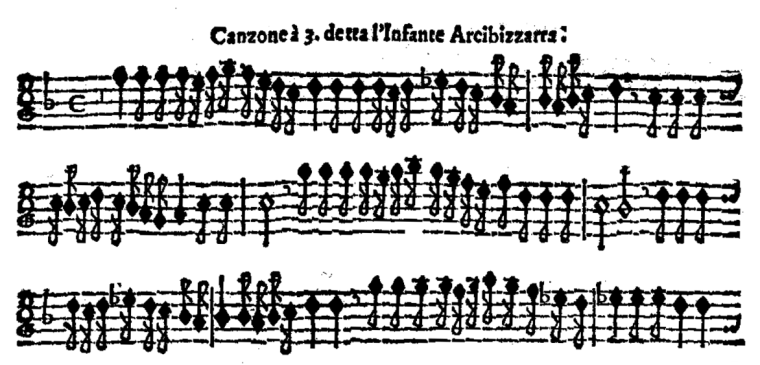
Andrea Falconiero o Falconieri (c1585 - 29 luglio 1656): Canzone a 3, detta l’Infante Arcibizzarra, dal I Libro di canzone, sinfonie, fantasie… (1650). Accademia Bizantina, dir. Ottavio Dantone.
Francesco Corteccia (27 luglio 1502 - 1571): Vientene, almo riposo, madrigale a 5 voci (pubblicato nel Libro primo de madrigali a cinque & a sei voci, 1547). John Elwes, tenore; Les Sacqueboutiers de Toulouse.
Vientene, almo riposo, ecco ch’io torno
e ne discaccio il giorno,
posate erbette e fronde,
e spogliatevi piagge e arboscelli,
entrate o pastorelli,
entrate o ninfe bionde,
entro al bel nido adorno
ognun s’adagi, e dorma al mio ritorno.
Corteccia: Ingredere, mottetto a 8 voci in 2 cori (pubblicato in Musiche fatte nelle nozze dello illustrissimo Duca di Firenze, il signor Cosimo de’ Medici, et della illustrissima consorte sua, madonna Leonora da Tolletto, 1539, n. 2). Nel primo video, il mottetto è eseguito dall’ensemble del Centre de Musique Ancienne di Ginevra, dallo Studio di Musica Rinascimentale di Palermo e dalla Schola «Jacopo da Bologna» diretti da Gabriel Garrido; nel secondo, Eduardo Antonello esegue tutte le parti con i suoi cromorni.
Ingredere felicissimis, auspiciis urbem tuam Helionora ac optime
prolis fecunda, ita domi similem patri foris avo sobolem producas
ut Mediceo nomini eiusque devotissimis civibus securitatem prestes eternam.
Stefano Gervasoni (26 luglio 1962): Dir – In dir per sestetto vocale e sestetto d’archi (2004-2011); testi di Angelus Silesius (Johannes Scheffler, 1624-1677). Ensemble vocale Exaudi; ensemble strumentale L’Instant Donné; dir. James Weeks.
«Nel 2003 ho scritto In dir, per ensemble vocale a sei voci, un ciclo di undici brani con i testi del mistico del XVII secolo Angelus Silesius, poeta e pensatore, raccolti nei sei libri del Cherubinischer Wandersmann. La commissione di un sestetto per archi da parte di Harry Vogt mi ha dato l’idea di scrivere un commento a In dir che di questo pezzo utilizzasse lo stesso materiale musicale e si ponesse rispetto ad esso in rapporto di complementarietà. Di In dir, Dir conserva il numero delle voci e il loro materiale musicale, diventando così una specie di “sotto-testo”, un’esplicitazione in termini puramente musicali del particolare significato teologico o groviglio di nessi filosofico-religiosi dei distici di Silesius. A questo scopo il brano utilizza principi costruttivi direttamente derivati dai testi silesiani, sorta di madrigalismi di tipo evoluto con il testo in absentia. Se In dir è tensione del raggiungimento del divino o dell’essenza della verità in un altrove ignoto o dentro l’ignoto di noi stessi – tentativo che si attua attraverso la parola –, Dir è questo stato o luogo dove tale segreto, il mistero dell’essere, è conservato, e che la parola non sa dire. Per questo, nella mia intenzione i due sestetti dovrebbero costituire le due metà di un unicum, l’“uno” dell’antico mito platonico, l’essere androgino primordiale da Zeus diviso in due metà, ognuna delle quali perennemente sofferente della nostalgia della propria metà perduta e del continuo tentativo di ricongiungersi ad essa. Una complementarietà che si realizza attraverso l’alternanza, mai con la sovrapposizione. Il “Tu” divino, che la parola evoca, coincide nella sua essenza con la scoperta dell’“io” interiore”, ma l’uno e l’altro sono irraggiungibili. In dir e Dir sono complementari perché possono essere eseguiti di seguito (prima il sestetto vocale, poi il sestetto per archi) o alternati secondo l’ordine seguente, in cui i brani di Dir sono presentati in ordine inverso rispetto ai corrispettivi brani di In dir. Oppure potranno essere eseguiti separati, rimandandosi l’un l’altro a distanza.» (Stefano Gervasoni).
Vincenzo Palermo (21 luglio 1967): In the early morphing sopra un tema di Cimarosa per flauto, chitarra e ensemble (2002). Salvatore Lombardi, flauto; Piero Viti, chitarra; Alaria Chamber Ensemble.
« J’aime beaucoup mieux ce qui me touche que ce qui me surprend » (François Couperin le Grand).
Antoine Forqueray (1672 - 1745): La Couperin, n. 6 della Suite in re minore per viola da gamba e continuo (Pièces de viole, pubblicate postume dal figlio Jean-Baptiste nel 1747). Il Giardino Armonico: Vittorio Ghielmi, viola da gamba; Luca Pianca, liuto attiorbato.
François Couperin le Grand (1668 - 1733): La superbe, ou La Forqueray, n. 1 dell’Ordre XVII (Pièces de clavecin III, 1722). Gustav Leonhardt, clavicembalo.
Jacques Duphly (1715 - 15 luglio 1789): La Forqueray, rondeau in fa minore (dal Troisième Livre de Pièces de Clavecin, 1756). Gustav Leonhardt, clavicembalo.
Oggi parliamo di un brano tradizionale le cui origini risalgono al XVII secolo, se non a un’epoca precedente, famosissimo tanto nelle isole britanniche quanto nel Nordamerica. Come sempre succede alle melodie molto celebri, anche a questa sono stati adattati più testi diversi; è stata inoltre rielaborata in composizioni destinate a accompagnare danze popolari.
1. Tom, Tom, the Piper’s Son
Canzoncina infantile tradizionale; il testo cita il titolo Over the hills and far away, segno che una melodia così chiamata sicuramente preesisteva a questa canzone. Qui è interpretata da Vivien Ellis, Tim Laycock e The Broadside Band:
Tom, he was a piper’s son,
He learnt to play when he was young,
And all the tune that he could play
Was Over the hills and far away.
Over the hills and a great way off,
The wind shall blow my top-knot off.
Tom with his pipe made such a noise,
That he pleased both the girls and boys,
They all stopped to hear him play Over the hills and far away.
[Tom with his pipe did play with such skill
That those who heard him could never keep still;
As soon as he played they began for to dance,
Even the pigs on their hind legs would after him prance.]
As Dolly was milking her cow one day,
Tom took his pipe and began to play;
So Dolly and the cow danced The Cheshire Round
Till the pail was broken and the milk ran on the ground [down].
He met old Dame Trot with a basket of eggs,
He used his pipe and she used her legs;
She danced about till the eggs were all broke,
She began for to fret, but he laughed at the joke.
Tom saw a cross fellow was beating an ass,
Heavy laden with pots, pans, dishes, and glass;
He took out his pipe and he played them a tune,
And the poor donkey’s load was lightened full soon.
Over the hills and a great way off,
The wind shall blow my top-knot off.
2. The distracted Jockey’s Lamentations
Da Wit and Mirth: Or Pills to Purge Melancholy (1698-1720) di Thomas D’Urfey; il testo doveva forse essere inserito nella commedia di D’Urfey The Campaigners (1698). Ascoltiamolo nell’interpretazione dei City Waites diretti da Lucie Skeaping:
Questo è il testo pubblicato nel V volume (1619) della silloge di D’Urfey:
Jocky met with Jenny fair
Aft by the dawning of the day;
But Jockey now is fu’ of care
Since Jenny staw his heart away.
Altho’ she promis’d to be true
She proven has, alake! unkind
Which gars poor Jockey aften rue
That e’er he loo’d a fickle mind.
‘Tis o’er the hills and far away
‘Tis o’er the hills and far away
‘Tis o’er the hills and far away
The wind has blown my Plad (sic) away.
Jockey was a bonny lad
And e’er was born in Scotland fair;
But now poor Jockey is run mad,
For Jenny causes his despair;
Jockey was a Piper’s son
And fell in love when he was young
But all the springs that he could play
Was, O’er the Hills, and far away.
He sung,”When first my Jenny’s face
I saw, she seem’d sae fu’ of grace
With meikle joy my heart was fill’d
That’s now, alas! with sorrow kill’d.
Oh! was she but as true as fair
‘Twad put an end to my despair.
Instead of that she is unkind
And wavers like the winter wind.
Ah! could she find the dismal wae
That for her sake I undergae
She couldna chuse but grant relief
And put an end to a’ my grief;
But, oh! she is as fause as fair
Which causes a’ my sighs and care;
And she triumphs in proud disdain
And takes a pleasure in my pain.
Hard was my hap, to fa’ in love
With ane that does so faithless prove!
Hard was my fate, to court a maid
That has my constant heart betray’d!
A thousand times to me she sware
She wad be true for evermair;
But, to my grief, alake! I say
She staw my heart and ran away.
Since that she will nae pity take
I maun gae wander for her sake
And, in ilk wood and gloomy grove
I’ll, sighing, sing,” Adieu to love.
Since she is fause whom I adore
I’ll never trust a woman more;
Frae a’ their charms I’ll flee away
And on my pipes I’ll sweetly play.”
O’er hills and dales and far away
O’er hills and dales and far away
O’er hills and dales and far away
The wind has blown my plad away.
3. Hark! now the drums beat up again
Canto di reclutamento risalente agli anni della guerra di successione spagnola (1701-14); il testo si trova, con qualche variante, nella commedia di George Farquhar The Recruiting Officer (1706).
Hark! now the drums beat up again
For all true soldier gentlemen,
Then let us list and march, I say,
Over the Hills and far away.
Over the hills and o’er the main
To Flanders, Portugal and Spain,
Queen Anne commands and we’ll obey,
Over the hills and far away.
All gentlemen that have a mind,
To serve the queen that’s good and kind,
Come list and enter into pay,
Then over the hills and far away.
No more from sound of drum retreat,
While Marlborough and Galway beat
The French and Spaniards every day,
When over the hills and far away.
Testo e musica sono stati rielaborati da John Tams per la serie televisiva Sharpe, protagonista Sean Bean, ambientata all’epoca delle guerre napoleoniche; in ogni episodio è cantata una strofe differente. Potete ascoltare la versione di Tams qui.
4. Were I Laid on Greenland’s Coast
Testo di John Gay per The Beggar’s Opera (Air XVI, cantato da Macheath e Polly) con musica adattata da Johann Christoph Pepusch (1728).
Tratto da un cd dedicato ai più celebri airs della Beggar’s Opera da The Broadside Band (dir. Jeremy Barlow), questo clip comprende:
la melodia di Over the hills and far away eseguita da un violino solista
l’Air XVI interpretato da Paul Elliott (tenore) e Patrizia Kwella (soprano) [0:37]
Over the hills and far away, versione tratta da un manoscritto americano del 1780 circa contenente melodie di country dances [1:35]
The wind has blown my plaid away, una versione per flauto tratta dal Drexel Manuscript (1ª metà del XVIII secolo) conservato nella New York Public Library [2:26]
Macheath:
Were I laid on Greenland’s Coast,
And in my Arms embrac’d my Lass;
Warm amidst eternal Frost,
Too soon the Half Year’s Night would pass.
Polly:
Were I sold on Indian Soil,
Soon as the burning Day was clos’d,
I could mock the sultry Toil
When on my Charmer’s Breast repos’d.
Macheath:
And I would love you all the Day,
Polly:
Every Night would kiss and play,
Macheath:
If with me you’d fondly stray
Polly:
Over the Hills and far away.
Vediamo ancora un interessante documento: l’Air XVI della Beggar’s Opera interpretato da Laurence Olivier e Dorothy Tutin nella versione cinematografica del lavoro di Gay, diretta da Peter Brook nel 1953.
Arnold Schoenberg (1874 - 13 luglio 1951): Serenata per baritono e 7 strumenti (clarinetto, clarinetto basso, mandolino, chitarra, violino, viola, violoncello) op. 24 (1921-23); testo di Francesco Petrarca (Sonetto 217, Canzoniere CCLVI) nella traduzione di Stefan George. Derrik Olsen, baritono; membri del SWR Sinfonieorchester Baden-Baden und Freiburg, dir. Hans Rosbaud.
Marsch: Durchaus gleichmässiges Marschtempo
Menuett: Nicht schnell, aber gesangvoll
Variationen: Andante
Sonnet Nr 217 von Petrarca: Rasch
O könnt’ ich je der Rach’ an ihr genesen,
die mich durch Blick und Rede gleich zerstöret,
und dann zu grösserm Leid sich von mir kehret,
die Augen bergend mir, die süssen, bösen!
So meiner Geister matt bekümmert Wesen
sauget mir aus allmählich und verzehret
und brülend, wie ein Leu, ans Herz mir fähret
die Nacht, die ich zur Ruhe mir erlesen!
Die Seele, die sonst nur der Tod verdränget,
trent sich von mir, und ihrer Haft entkommen,
fliegt sie zu ihr, die drohend sie empfänget.
Wohl hat es manchmal Wunder mich genommen
wenn die nun spricht und weint und sie umfänget,
dass fort sie schläft, wenn solches sie vernommen.
Far potess’io vendetta di colei
che guardando et parlando mi distrugge,
et per piú doglia poi s’asconde et fugge,
celando gli occhi a me sí dolci et rei.
Cosí li afflicti et stanchi spirti mei
a poco a poco consumando sugge,
e ‘n sul cor quasi fiero leon rugge
la notte allor quand’io posar devrei.
L’alma, cui Morte del suo albergo caccia,
da me si parte, et di tal nodo sciolta,
vassene pur a lei che la minaccia.
Meravigliomi ben s’alcuna volta,
mentre le parla et piange et poi l’abbraccia,
non rompe il sonno suo, s’ella l’ascolta.
Anonimo del XIII secolo: La quarte estampie royal. Hespèrion XXI, dir. Jordi Savall.
Questa composizione è trascritta nel codice detto Chansonnier du Roi (fr. 844 della Bibliothèque nationale de France, f. 104r ). Di che cosa si tratta? L’estampie (in lingua d’oc estampida, in italiano antico stampita o istampitta) è una delle rarissime forme musicali medievali interamente o prevalentemente strumentali, presumibilmente destinata a accompagnare la danza: il nome deriverebbe dal francone estampir = battere i piedi. La struttura dell’estampie, accuratamente descritta nel trattato del teorico francese Johannes de Groche[i]o (Jean de Grouchy, c1255 - c1320), consiste nel susseguirsi di un certo numero di frasi musicali chiamate puncta (la Quarte estampie royal ne ha 7); ciascun punctum è ripetuto due volte con due differenti conclusioni, dette rispettivamente apertum / ouvert e clausum / clos. Mentre i puncta sono diversi l’uno dall’altro, in genere apertum e clausum si ripetono invariati.
Johannes de Grocheo — l’unico teorico dell’epoca che si occupi della musica popolare, da lui chiamata musica simplex — descrive alcune forme affini all’estampie: una di queste è la ductia, che presenta caratteri di minore complessità. Scrive il nostro trattatista, il quale asseriva convintamente (come già Platone) che la musica abbia il potere di influire sulla psiche: «Si dice che [la ductia] sia efficace nella cura di quella passione chiamata mal d’amore».
Ecco una ductia davvero graziosa, eseguita dall’ensemble Arte Factvm:
Anonimo (XVII secolo): Blew-cap for me. Ellen Hargis, soprano; Paul O’Dette, cittern.
Il testo fu pubblicato per la prima volta intorno al 1634 con il titolo Blew cap for me. Or, A Scottish lasse her resolute chusing shee’l have bonny blew-cap, all other refusing. To a curious new Scottish tune called Blew-cap.
There lives a blithe Lasse in Faukeland towne,
and shee had some suitors, I wot not how many;
But her resolution she had set down,
that shee’d have a Blew-cap gif e’re she had any:
An English man,
when our good king was there,
Came often unto her,
and loved her deere:
But still she replide, «Sir,
I pray let me be,
Gif ever I have a man,
Blew-cap for me.»
A Frenchman, that largely was booted and spur’d,
long lock’t, with a Ribon, long points and breeches,
Hee’s ready to kisse her at every word,
and for further exercise his fingers itches:
«You be pritty wench,
Mistris, par ma foy;
Be gar, me doe love you,
then be not you coy.»
But still she replide, «Sir,
I pray let me be;
Gif ever I have a man,
Blew-cap for me.»
An Irishman, with a long skeane in his hose,
did tinke to obtaine her it was no great matter;
Up stayres to her chamber so lightly he goes,
that she ne’re heard him until he came at her.
Quoth he, «I do love you,
by fate and by trote,
And if you will have me,
experience shall shote.»
But still she replide, «Sir,
I pray let me be;
Gif ever I have a man,
Blew-cap for me.»
A Dainty spruce Spanyard, with haire black as jett,
long cloak with round cape, a long Rapier and Ponyard;
Hee told her if that shee could Scotland forget,
hee’d shew her the Vines as they grow in the Vineyard.
«If thou wilt abandon
this Country so cold,
Ile shew thee faire Spaine,
and much Indian gold.»
But stil she replide, «Sir,
I pray let me be;
Gif ever I have a man,
Blew-cap for me.»
A haughty high German of Hamborough towne,
a proper tall gallant, with mighty mustachoes;
He weepes if the Lasse upon him doe but frowne,
yet he’s a great Fencer that comes to ore-match us.
But yet all his fine fencing
could not get the Lasse;
She deny’d him so oft,
that he wearyed was;
For still she replide, «Sir,
I pray let me be;
Gif ever I have a man,
Blew-cap for me.»
At last came a Scottish-man (with a blew-cap),
and he was the party for whom she had tarry’d;
To get this blithe bonny Lasse ‘twas his gude hap,–
they gang’d to the Kirk, & were presently marry’d.
I ken not weele whether
it were Lord or Leard;
They caude him some sike
a like name as I heard;
To chuse him from au
she did gladly agree,–
And still she cride, «Blew-cap,
th’art welcome to mee.»
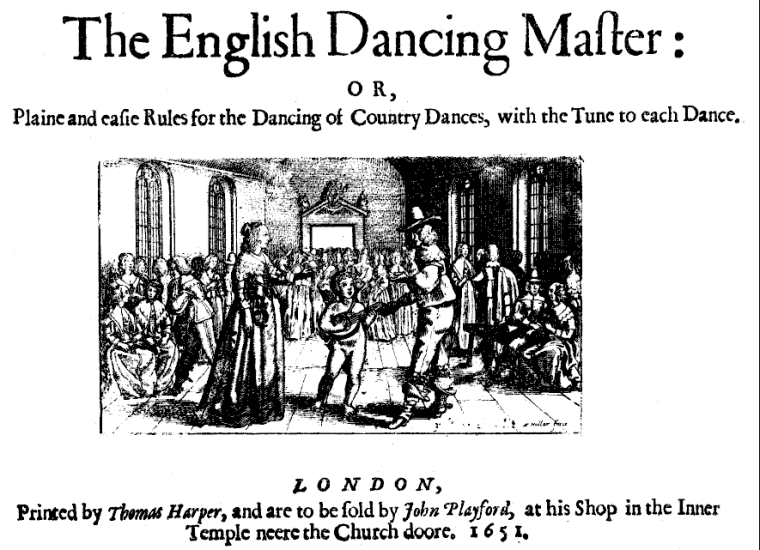
La melodia è presente nella prima edizione (1651) della raccolta The English Dancing Master, curata da John Playford, con il titolo Blew Cap (n. 2). Qui è eseguita dai City Waites diretti da Lucie Skeaping:
Anonimo (sec. XVII): Cold and raw ovvero The Maid who Sold her Barley o anche The Farmer’s Daughter, ballad di probabile origine scozzese. The Baltimore Consort.
Cold and raw the North did blow, bleak in a morning early;
All the trees were hid with snow, cover’d with winter fearly.
As I came riding o’er the slough, I met with a farmer’s daughter,
Rosie cheeks, and bonny brow, geud faith, made my mouth to water.
Down I vail’d my bonnet low, meaning to show my breeding,
She return’d a graceful bow, her visage far exceeding:
I ask’d her where she went so soon, and long’d to begin a parley:
She told me to the next market town, a purpose to sell her barley.
«In this purse, sweet soul!» said I, «twenty pound lies fairly,
Seek no farther one to buy, for I’se take all thy barley:
Twenty more shall purchase delight, thy person I love so dearly,
If thou wilt lig by me all night, and gang home in the morning early.»
«If forty pound would buy the globe, this thing I’s not do, sir;
Or were my friends as poor as Job, I’d never raise’em so, sir:
For shou’d you prove to-night my friend, we’se get a young kid together,
And you’d be gone e’r nine months end, & where shall I find the father?»
«Pray what would my parents say, if I should be so silly,
To give my maidenhead away, and lose my true love, Billy!
Oh this would bring me to disgrace, and therefore I say you nay, sir;
And if that you would me embrace, first marry, & then you may, sir!»
I told her I had wedded been, fourteen years and longer,
Else I’d chuse her for my queen, and tye the knot yet stronger.
She bid me then no farther roame, but manage my wedlock fairly,
And keep my purse for poor spouse at home, for some other should have her barley.
Then as swift as any roe, she rode away and left me;
After her I could not go, of joy she quite bereft me:
Thus I my self did disappoint, for she did leave me fairly,
My words knock’d all things out of joint, I lost both the maid and the barley.
Il testo è compreso nella monumentale silloge Wit and Mirth, or Pills to Purge Melancholy curata da Thomas D’Urfey, la cui 1a edizione risale al 1698; nel corso degli anni è stato associato a musiche diverse: la versione del Baltimore Consort adotta la melodia di Stingo, or The Oyle of Barley, un jig (danza) tratta dalla raccolta The English dancing master (16511, n. 10) di John Playford; stingo e oil of barley sono due modi di dire popolari con i quali all’epoca si indicava una birra forte a gradazione elevata. Ecco Stingo nell’interpretazione dei Musicians of Swanne Alley:
La melodia doveva essere assai popolare nel primo Settecento, tant’è vero che Pepusch la utilizzò per rivestire di musica l’aria «If any Wench Venus’s Girdle wear», cantata da Mrs Peachum nella 4a scena del I atto della Beggar’s Opera di John Gay (rappresentata per la 1a volta nel 1728). Qui è eseguita dall’ensemble The Broadside Band diretto da Jeremy Barlow, con Patrizia Kwella voce solista:
If any Wench Venus’s Girdle wear,
Though she be never so ugly;
Lilies and Roses will quickly appear,
And her Face look wond’rous smugly.
Beneath the left Ear so fit but a Cord,
(A Rope so charming a Zone is!)
The Youth in his Cart hath the Air of a Lord,
And we cry, There dies an Adonis!
All’aria di Mrs Peachum la Broadside Band fa seguire [a 1:17] una breve serie di variazioni per violino e basso continuo sulla medesima melodia, pubblicate con il titolo Up in the Morning Early dal compositore e violinista scozzese William McGibbon (1690 - 1756).
Louis Andriessen (1939 - 1° luglio 2021): Contra tempus per fiati, percussione e ensemble che improvvisa (1968). Membri del Balletorkest, dir. Howard Williams.
Michel Lambert (1610 - 29 giugno 1696): Vos mespris chaque jour, air de cour (pubblicato in Airs à une, II. III. et IV. parties avec la basse-continue, 1689, p. 186). Stephan van Dyck, tenore; ensemble Musica Favola.
Vos mespris chaque jour me causent mille alarmes,
Mais je chéris mon sort, bien qu’il soit rigoureux,
Hélas! si dans mes maux je trouve tant de charmes,
Je mourrois de plaisir si j’estois plus heureux.



 Johann Rosenmüller (24 agosto 1619 - 1684): Magnificat in do minore. Ensemble ARTEK e Les Sacqueboutiers de Toulouse, dir. Gwendolyn Toth.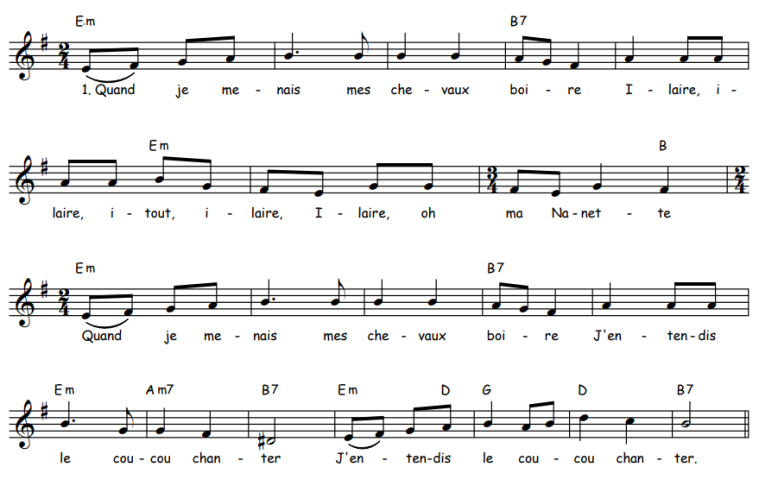


 Johann Theile (29 luglio 1646 - 1724): Suite in la minore dal Musikalisches Kunstbuch (1691). Hamburger Ratsmusik, dir. Simone Eckert.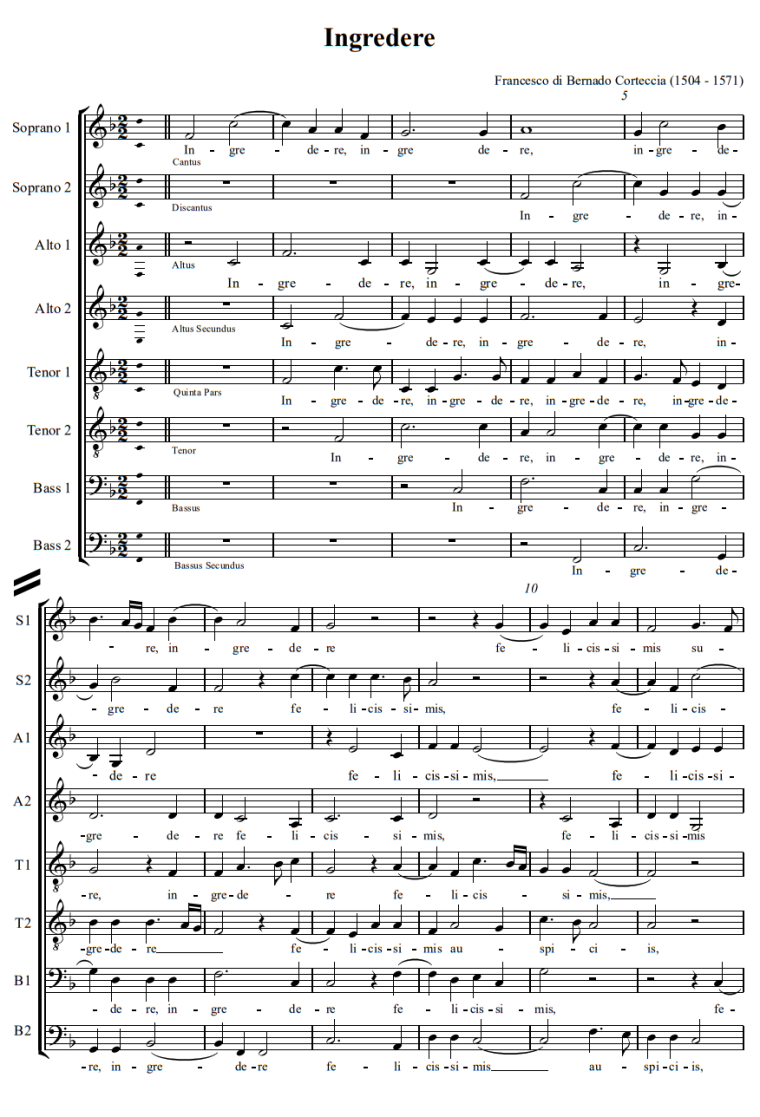

 Vincenzo Palermo (21 luglio 1967): In the early morphing sopra un tema di Cimarosa per flauto, chitarra e ensemble (2002). Salvatore Lombardi, flauto; Piero Viti, chitarra; Alaria Chamber Ensemble.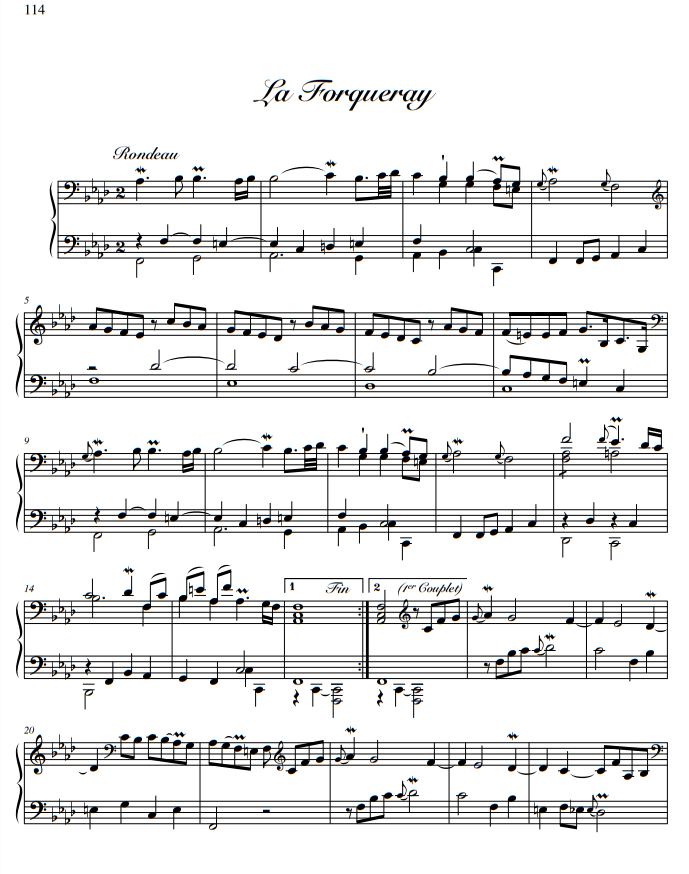




 la regina gioiosa