
Érik Satie (17 maggio 1866 - 1925): Españaña, n. 3 dei Croquis et agaceries d’un gros bonhomme en bois per pianoforte (1913). Aldo Ciccolini.
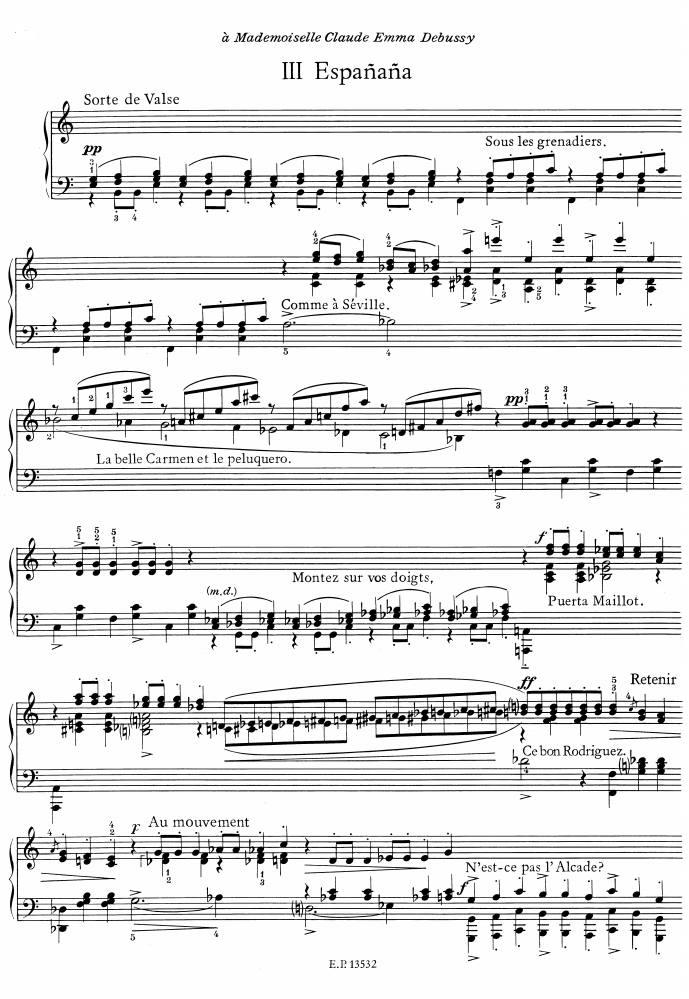
Érik Satie (17 maggio 1866 - 1925): Españaña, n. 3 dei Croquis et agaceries d’un gros bonhomme en bois per pianoforte (1913). Aldo Ciccolini.
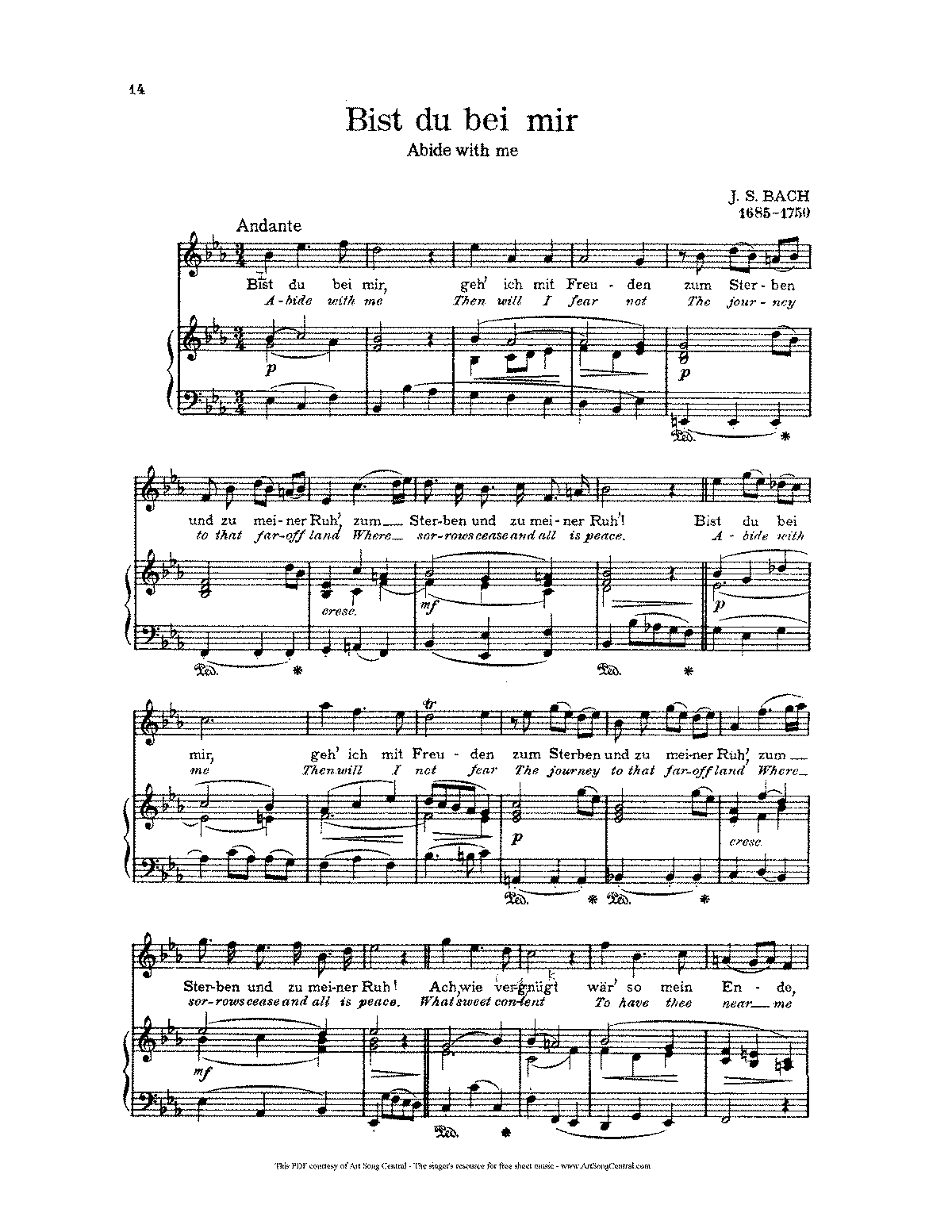
Gottfried Heinrich Stölzel (1690 - 1749): «Bist du bei mir», aria dall’opera Diomedes ovvero Die triumphierende Unschuld (1718). Duo Mignarda: Donna Stewart, voce, e Ron Andrico, liuto.
Johann Sebastian Bach inserì quest’aria, arrangiata per voce e basso continuo, nel Notenbüchlein für Anna Magdalena (1725); nel Bach-Werke-Verzeichnis (BWV) questo arrangiamento reca il numero 508.
Bist du bei mir, geh ich mit Freuden
zum Sterben und zu meiner Ruh.
Ach, wie vergnügt wär so mein Ende,
es drückten deine schönen Hände
mir die getreuen Augen zu.
Composizioni di Leone Sinigaglia (1868 - 16 maggio 1944), musicista e alpinista, vittima dell’Olocausto.
Regenlied per archi op. 35 n. 1 (1910). Orchestra Città di Ferrara, dir. Marco Zuccarini.
Due Pezzi per violoncello e orchestra op. 16 (1902). Fernando Caida Greco, violoncello; Orchestra Città di Ferrara, dir. Marco Zuccarini.

Hora mystica in la maggiore per quartetto d’archi (1894). Quartetto Tamborini: Bruno Raiteri e Antonio Sacco, violini; Fabrizio Montagner viola; Marco Pasquino violoncello.
La pastora e il lupo (da Diciotto vecchie canzoni popolari del Piemonte op. 40b). Coro da Camera di Torino, dir. Dario Tabbia.
La bërgera larga ij moton [bis]
al long de la riviera;
’l sol levà l’era tant caod,
la s’è seta a l’ombrëta.
J’è sortì ’l gran lüv dël bòsc
con la boca ambajeja,
l’ha pijà ’l pi bel barbin
ch’i era ’nt la tropeja.
La bërgera ’s bota a criar:
«Ahi mi, pòvra fijeta!
Se quaidon m’agioteis,
saria soa morosëta».
Da lì passa gentil galant,
con la soa bela speja
j’à dait tre colp al lüv,
barbin l’è saotà ’n tera.
«Mi v’ ringrassio, gentil galant,
mi v’ ringrassio ’d vòstra pena.
Quand ch’i tonda ’l me barbin
’v donerai la lena.»
«Mi son pa marcant de pann
e gnianca de la lena:
un basin dël vòst bochin
’m pagherà la pena.»
(La pastora fa pascolare le pecore lungo la riva; il sole alto è molto caldo, così si è seduta all’ombra.
Il gran lupo è uscito dal bosco con la bocca spalancata, ha preso il più bell’agnello del gregge.
La pastora si mette a gridare: «Ahimè, povera ragazza! Se qualcuno mi aiutasse sarei la sua amorosa.»
Da lì passa il gentil galante: con la sua bella spada dà tre colpi al lupo, l’agnello salta a terra.
«Vi ringrazio della vostra pena, gentil galante: quando toserò il mio agnello vi regalerò la lana.»
«Non sono mercante di stoffe e neppure di lana: un bacio della vostra bocca mi ripagherà della pena.»)
Sinigaglia amava molto la montagna. In gioventù si dedicò con passione all’alpinismo, segnalandosi in particolare per le sue arrampicate sulle Dolomiti: a lui si devono fra l’altro le prime ascensioni della Croda da Lago e del Monte Cristallo. Il 25 agosto 1990 era fortunosamente scampato alla morte sul Cervino in tempesta: fu tratto in salvo dalla sua guida, il leggendario Jean-Antoine Carrel di Valtournenche, che dopo aver portato Sinigaglia al sicuro morì di sfinimento; dell’impresa compiuta dal rude e coraggioso montanaro, e del suo sacrificio, il giovane musicista lasciò una toccante testimonianza.

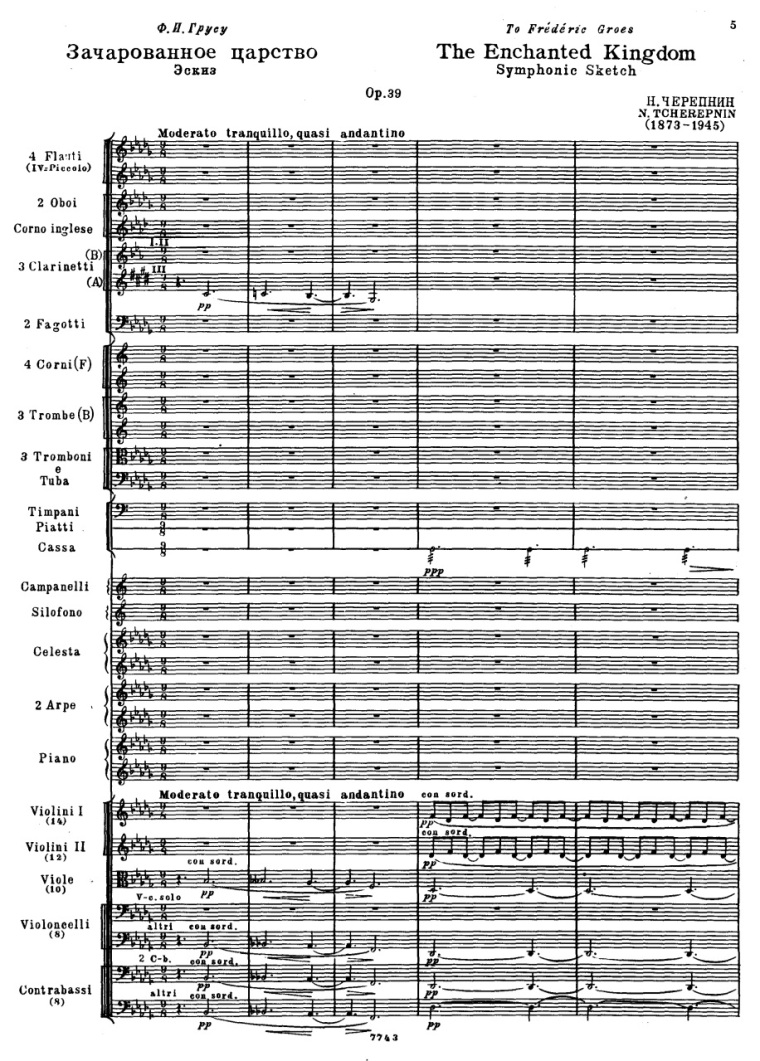
Nikolaj Nikolaevič Čerepnin (15 maggio 1873 - 1945): Il regno incantato (Зачарованное царство), schizzo sinfonico op. 39 (1904), ispirato dall’antica fiaba russa L’uccello di fuoco e il principe Ivan. Orchestra sinfonica accademica di San Pietroburgo, dir. Viktor Fedotov.
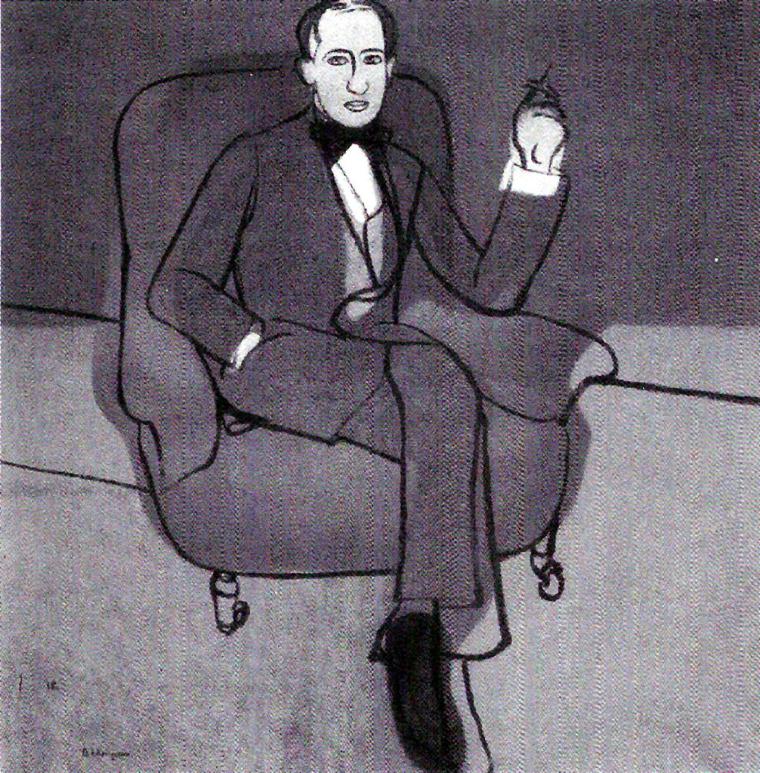
Stephen Heller (15 maggio 1813 - 1888): Introduction à l’art du phrasé, 25 studi melodici per pianoforte op. 45 (prima del 1844). Jan Vermeulen.
Nella prima edizione (Schlesinger, Berlino 1844) gli studi sono privi dei titoli descrittivi che furono poi aggiunti da altri editori essenzialmente per ragioni commerciali.
L’op. 45 di Stephen Heller è oggetto di uno studio assai accurato di Larissa Marie Kiefer, disponibile online in formato pdf: cliccare qui.

Arthur Lourié (14 maggio 1892 - 1966): 5 Préludes fragiles per pianoforte op. 1 (1908-10). Jenny Lin.
 Joly Braga Santos (14 maggio 1924 - 1988): Três Esboços sinfónicos op. 38 (1961). Royal Scottish National Orchestra, dir. Álvaro Cassuto.
Johannes Matthias Sperger (1750 - 13 maggio 1812): Sinfonia per archi in do maggiore (1782). Musica Aeterna Bratislava, dir. Peter Zajíček.

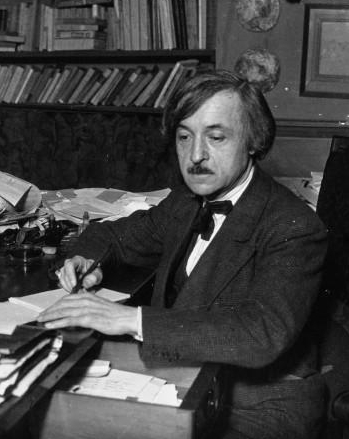 Raoul Laparra (13 maggio 1876 - 1943): Valse lente per pianoforte (1911). Gamma1734.
 Irene M. Giblin (1888 - 12 maggio 1974): Chicken Chowder, characteristic two-step (1905).
Adolf von Henselt (12 maggio 1814 - 1889): Valse mélancolique per pianoforte op. 36 (c1854). Gamma1734.
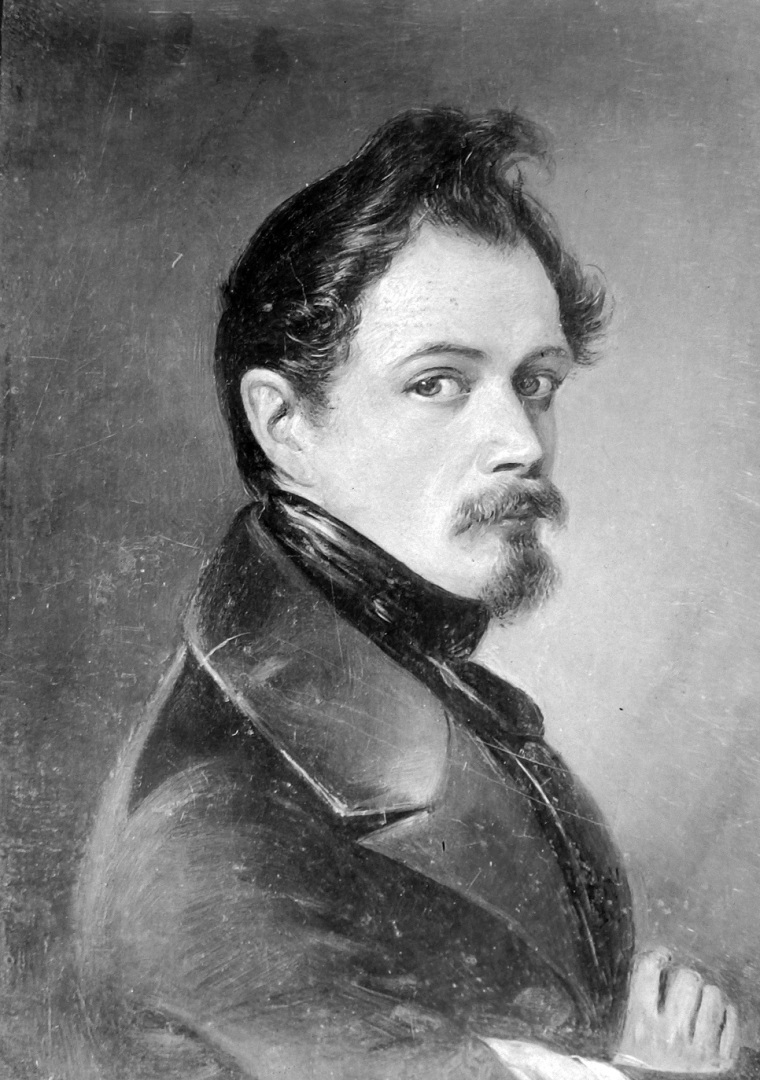


Ture Rangström (1884 - 11 maggio 1947): Havet sjunger (Il mare canta), poema sinfonico (1913). Sveriges Radios Symfoniorkester, dir. Niklas Willén.

Christoph Graupner (1683 - 10 maggio 1760): Ouverture (Suite) in sol maggiore GWV 466 (c1733). Das Kleine Konzert, dir. Hermann Max.

Max Steiner (10 maggio 1888 - 1971): Suite sinfonica dalla colonna sonora del film di Michael Curtiz Casablanca (1942). The John Wilson Orchestra.
Com’è noto, Mentre il tempo passa, cioè As Time Goes By, non è opera di Max Steiner: il brano era stato composto, testo e musica, diversi anni prima da Herman Hupfeld (1894 - 1951) per il musical Everybody’s Welcome, andato in scena a Broadway nel 1931. Qui è interpretato da Dooley Wilson, che è Sam nel film di Curtiz:

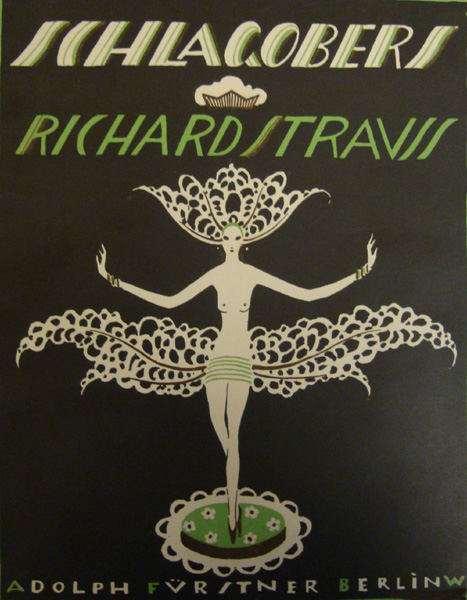
Richard Strauss (1864 - 1949): Walzer dal balletto Schlagobers op. 70 (composto negli anni 1921-22, rappresentato nel 1924). Staatskapelle Dresden, dir. Rudolf Kempe.
Schlagobers (Panna montata) fu rappresentato per la prima volta cent’anni fa, il 9 maggio 1924, all’Opera di Vienna. Se volete ascoltare la suite dal balletto e leggere uno stringato riassunto della trama cliccate qui.
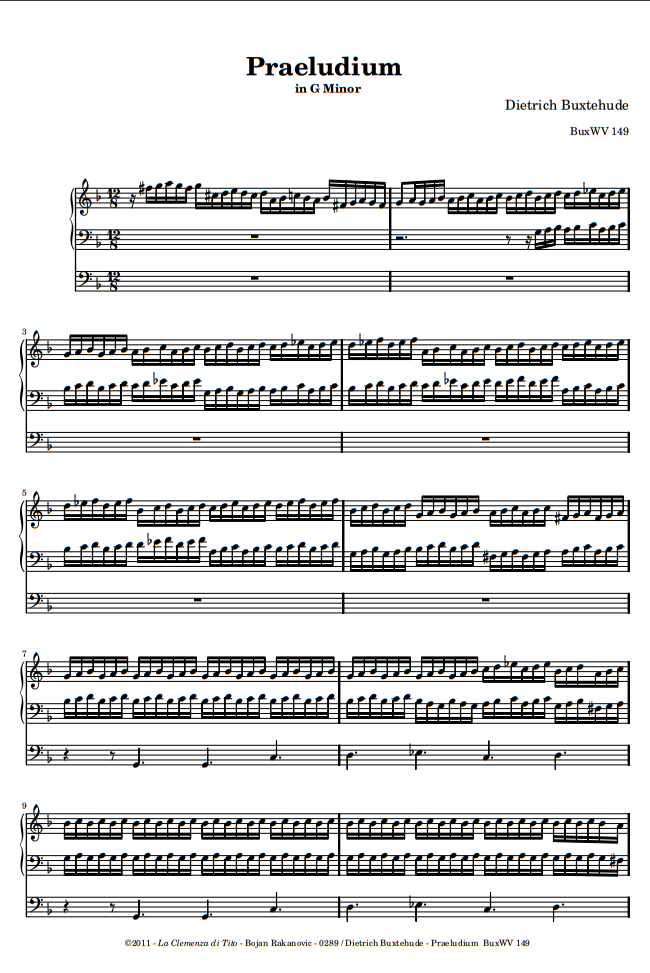
Dietrich Buxtehude (1637 - 9 maggio 1707): Praeludium in sol minore BuxVW 149. Ton Koopman all’organo Schnitger della Chiesa di Sankt Jacobi in Amburgo.
– Preludio
– Fuga I [1:05]
– Allegro [3:10]
– Largo (Fuga II) [3:56]
Adrian Willaert (1490 - 1562): O domine Iesu Christe, mottetto a 4 voci (pubblicato in Musica quatuor vocum Liber primus, 1539, n. 14). Ensemble vocal de Bruxelles.
O domine Iesu Christe,
adoro te in cruce pendentem
et coronam spineam
in capite portantem.
Deprecor te ut ipsa crux
liberet me ab angelo percutiente.
Secunda pars :
O domine Iesu Christe,
adoro te in cruce vulneratum,
felle et aceto potatum.
Deprecor te ut tua vulnera
sint remedium animae meae.
Amen.

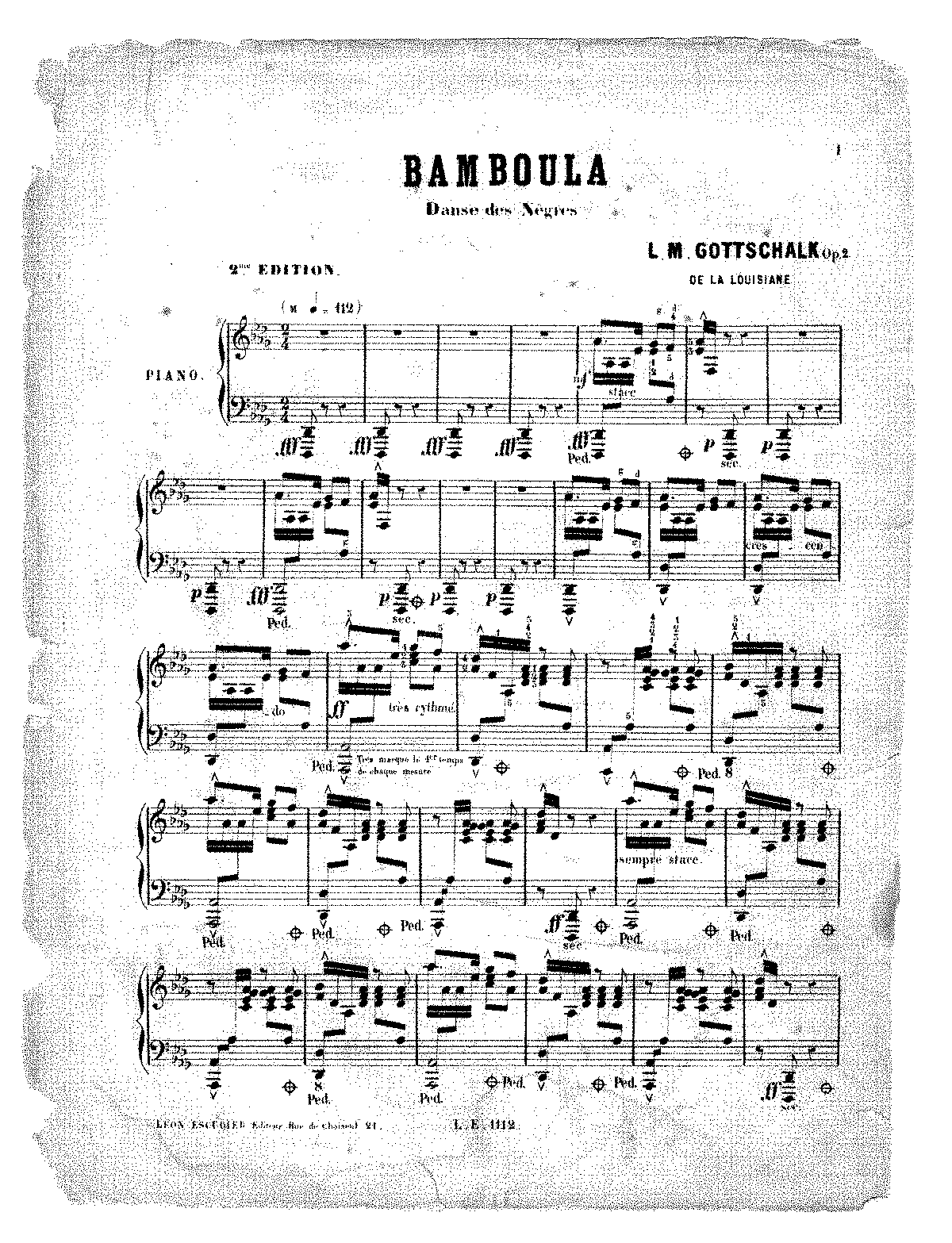
Louis Moreau Gottschalk (8 maggio 1829 - 1869): Bamboula, «danse des nègres» op. 2 (1844-45). Eugene List (1918 - 1985), pianoforte.
Marin Marais (1656 - 1728): Sonnerie de Sainte Geneviève du Mont-de-Paris, da La Gamme et autres morceaux de symphonie (1723). Le Concert des Nations; Jordi Savall, viola da gamba e direzione; Fabio Biondi, violino; Pierre Hantaï, clavicembalo e organo positivo.

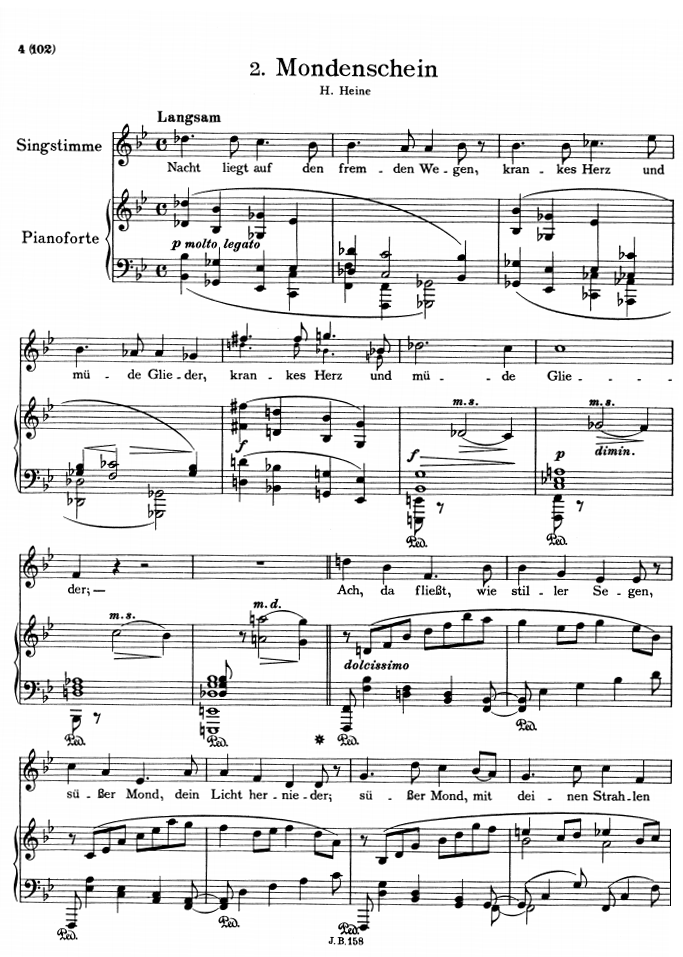
Johannes Brahms (7 maggio 1833 - 1897): Mondenschein, Lied per voce e pianoforte op. 85 n. 2 (1882) su testo di Heinrich Heine. Dietrich Fischer-Dieskau, baritono; Jörg Demus, pianoforte.
Nacht liegt auf den fremden Wegen,
Krankes Herz und müde Glieder; –
Ach, da fliesst, wie stiller Segen,
Süsser Mond, dein Licht hernieder.
Süsser Mond, mit deinen Strahlen
Schleuchest du das nacht’ge Grauen;
Es zerrinnen meine Qualen,
Und die Augen übertauen.
Giulio Regondi (1822 - 6 maggio 1872): Rêverie, notturno per chitarra op. 19 (1864). Drew Henderson.
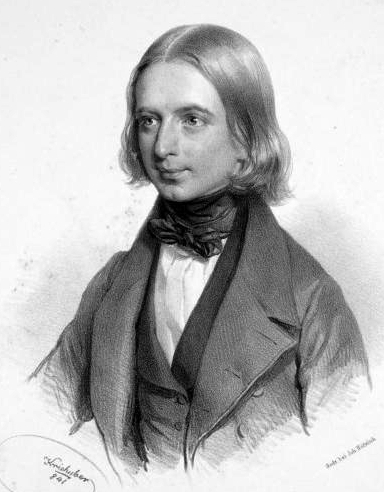
Georg Joseph Vogler (1749 - 6 maggio 1814): Sinfonia in re minore (1782). London Mozart Players, dir. Matthias Bamert.

Philip Rosseter (1567 o 1568 - 5 maggio 1623): What then is love but mourning?, ayre (1601). Alfred Deller, haute-contre, e Desmond Dupré, liuto.
What then is love but mourning?
What desire but a selfburning?
Till she that hates doth love return,
Thus will I mourn,
Thus will I sing,
Come away, come away my darling.
Beauty is but a blooming,
Youth in his glory entombing,
Time hath a while which none can stay,
Then come away,
While thus I sing,
Come away, come away my darling.
Summer in winter fadeth,
Gloomy night heav’nly light shadeth,
Like to the mourn are Venus’ flowers,
Such are her hours,
Then will I sing,
Come away, come away my darling.

Ernst Pauer (1826 - 5 maggio 1905); Quintetto in fa maggiore per oboe, clarinetto, corno, fagotto e pianoforte op. 44 (1856). Chantilly Quintet.
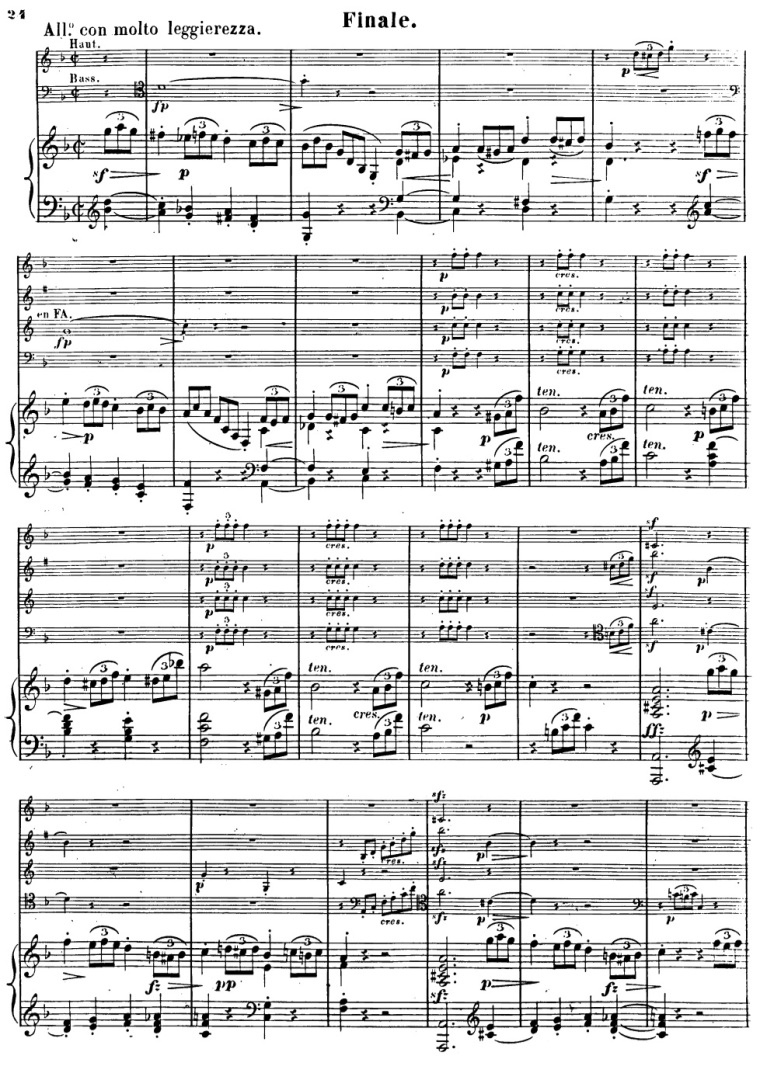
Wilhelm Middelschulte (1863 - 4 maggio 1943): Kanonische Fantasie über B A C H (1906). Brink Bush all’organo della St. Anne Church in Rochester (NY).
B A C H nella nomenclatura anglosassone corrispondono a SI♭ LA DO SI♮.

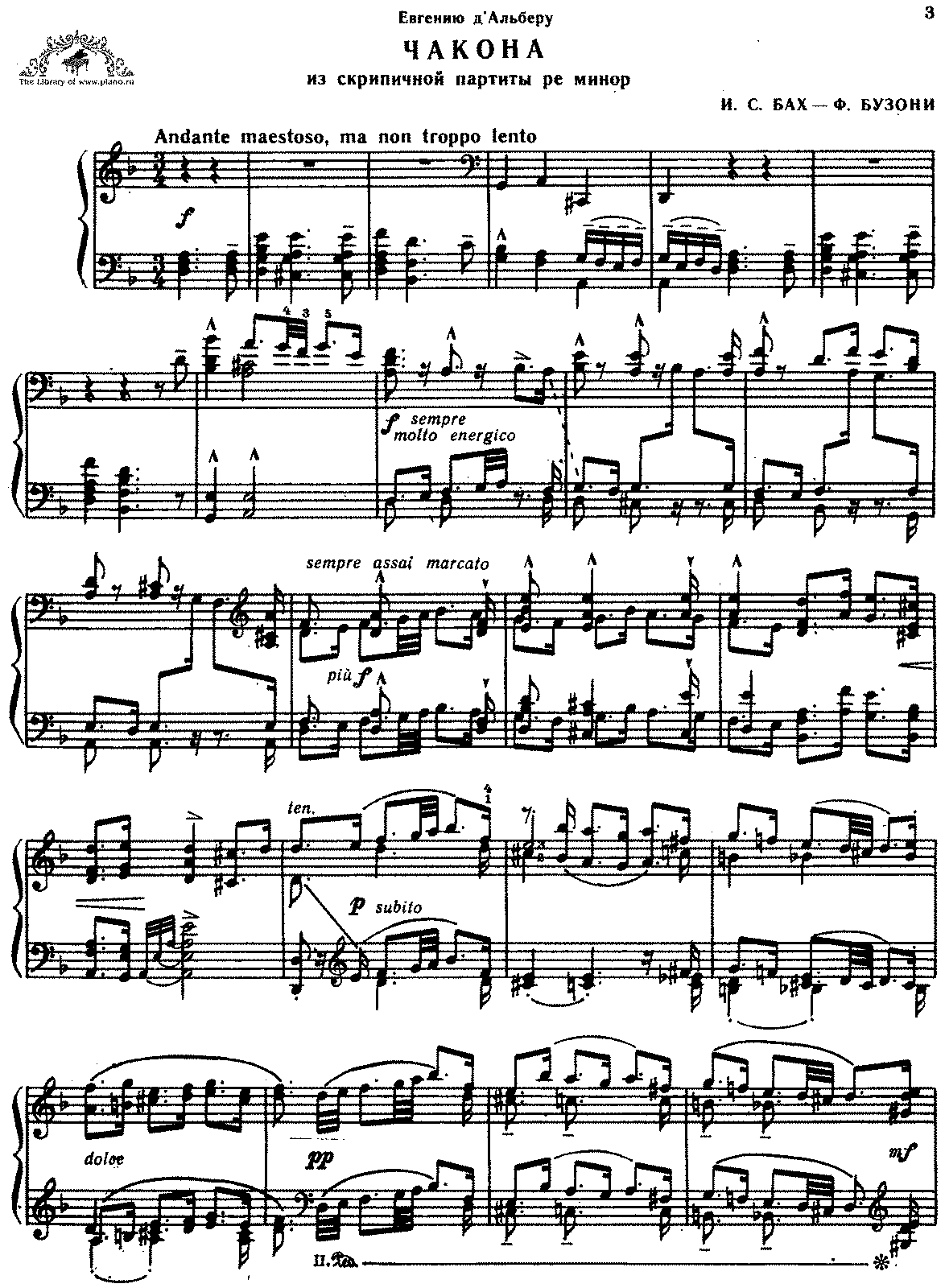
Tat’jana Nikolaeva (4 maggio 1924 - 1993) interpreta la Ciaccona dalla Partita in re minore per violino (BWV 1004) di Johann Sebastian Bach nella celebre trascrizione di Ferruccio Busoni.
Heinrich Ignaz Franz von Biber (3 maggio 1644 - 1704): Sonata in mi minore per violino e basso continuo C 142 (n. 5 delle 8 Sonatæ, violino solo, … ab Henrico I. F. Biber … Anno M.DC.LXXXI ). Ensemble Voices of Music: Elizabeth Blumenstock, violino: William Skeen, viola da gamba; David Tayler, arciliuto; Hanneke van Proosdij, clavicembalo.


Ernest John Moeran (1894 - 1950): On a May Morning per pianoforte (1921). Una Hunt.

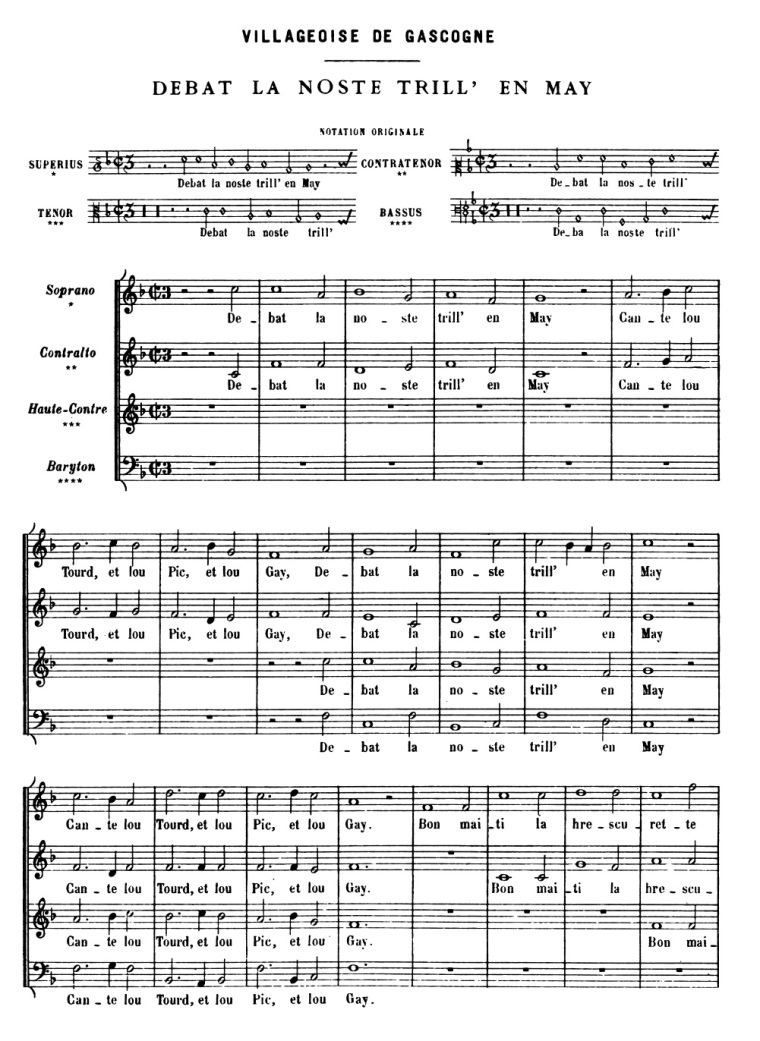
Claude Le Jeune (c1530 - 1600): Debat la noste trill’ en may, chanson a 4 voci e 4 viole (1585). Ensemble «Clément Janequin», Ensemble Les Eléments.
|
Testo originale in dialetto guascone |
Traduzione in francese moderno |
|
Debat la noste trill’ en May |
Sous notre treille en mai |

 la regina gioiosa